

Insights
Brand and industry articles migrated from media-wind.com.tw (pLOG / vLOG), together with the group's latest perspectives.

Carrying the Smiling Mid-Autumn Forward: PatientsForce and the Taiwan Foundation for Rare Disorders Invite Companies into the Rare Home
In its second year, the Smiling Mid-Autumn Ambassador programme — run by Media-WIND Health Holdings (PatientsForce) with the Taiwan Foundation for Rare Disorders — has brought nine companies across industries on board and more than 1,000 employees into the lives of families living with rare disease. From the second half of 2026 it expands into three strands: workplace talks, a day at the Guanxi Rare Home, and a Rare Artisans Month in November.
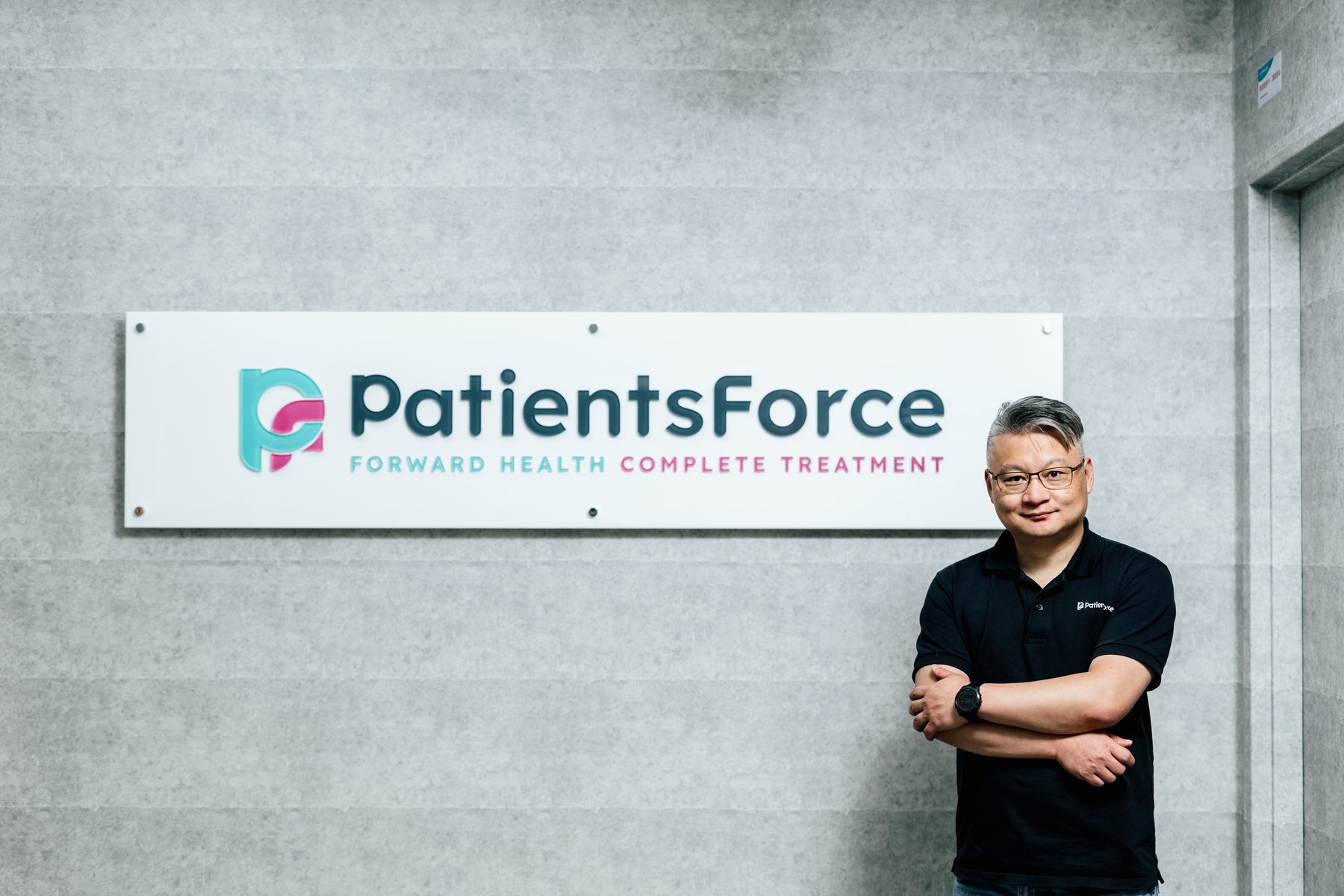
Closing the Out-of-Pocket Gap in Healthcare: PatientsForce Named a 2026 Global Good Awards Finalist
The UK's Global Good Awards has published its 2026 shortlist. PatientsForce, Taiwan's patient support ecosystem, is a finalist for Global Good Trailblazer of the Year, recognised for a digital model that closes the out-of-pocket gap in access to innovative medicines.

Can't get it in time, can't afford it, can't keep it up: how to unlock the triple bind of rare-disease medication
In August 2025, Taiwan's National Health Insurance joint drug-review meeting approved something: including AADC deficiency gene therapy—priced at over NT$100 million per dose—in temporary coverage. All 13 existing pediatric patients nationwide, plus an estimated 4–7 new babies over the next 3 years, will benefit. National Health Insurance Administration Director-General Shih Chung-liang left behind a remark: "It costs each person in Taiwan less than NT$5, and it can save a child's life—that is something worth doing."
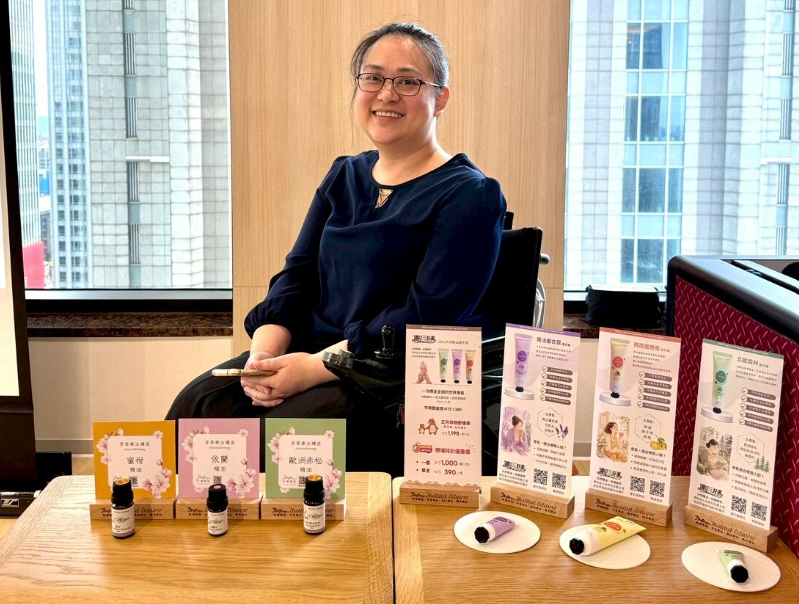
PatientsForce joins the Rare Disease Foundation to bring the 'fragrance of life' into companies, driving inclusion and diversity
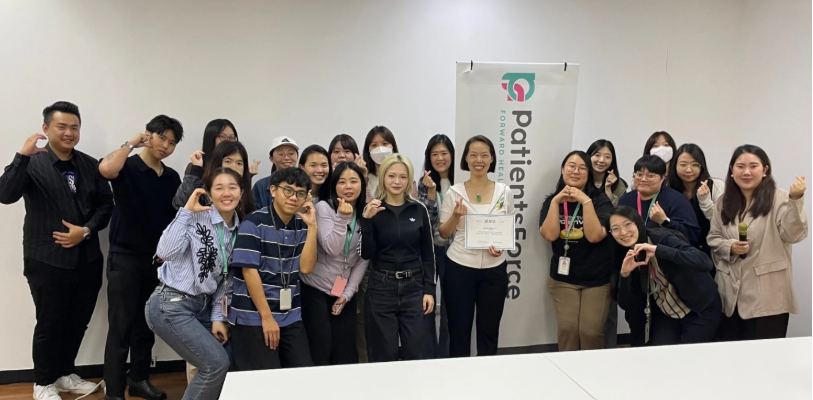
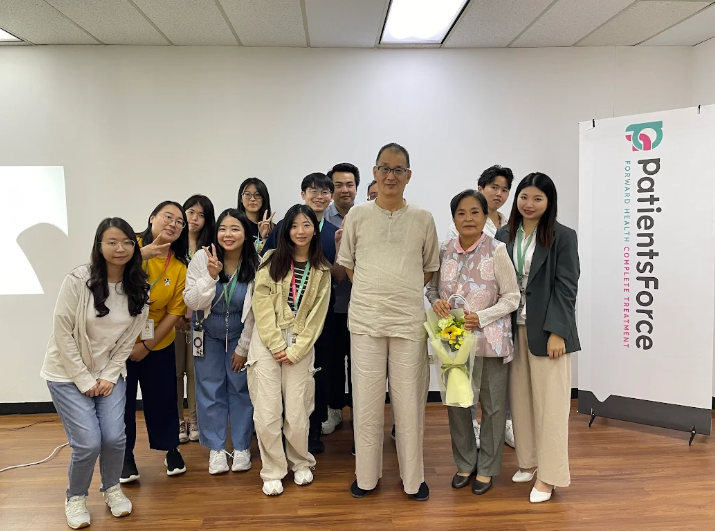
To deepen the values of inclusion and empathy in corporate culture, Media-WIND Health Group (MWHG) (PatientsForce) and the Taiwan Foundation for Rare Disorders (TFRD) have formed a close partnership to advance a life-education initiative that brings 'rare disease professionals into companies and community organizations.' Recently, the program brought this warmth and inspiration to Takeda Taiwan, inviting rare disease professional Ya-Chi to give an in-depth talk and lead a hands-on essential oil workshop with employees. Through this genuine connection between industry and society's most vulnerable, the initiative aims to show companies the challenges, fearless resilience, and love of life behind rare disease families.
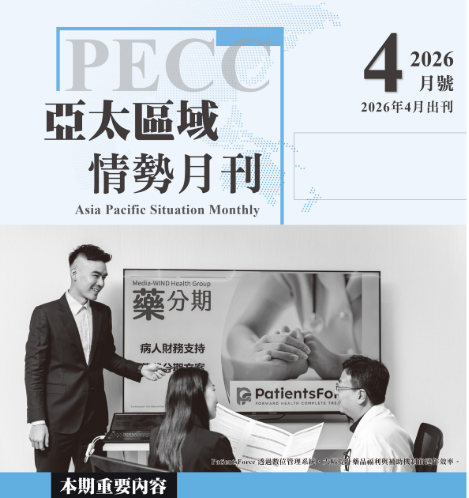
[Media feature] From treatment to support: how PatientsForce is building a one-stop patient support ecosystem with MediPASS
Taiwan's National Health Insurance system has long earned international acclaim, with public satisfaction consistently high. Yet as medical technology advances and disease patterns shift, modern healthcare has gradually extended beyond treatment itself to the management and support of the entire treatment journey. Recently, the Asia-Pacific Regional Situation Monthly, published by the Chinese Taipei Pacific Economic Cooperation Committee (CTPECC), featured an in-depth interview with PatientsForce Chief Operating Officer Evie Wang, exploring how a company can use digital platforms and service innovation to build a comprehensive, inclusive health management system within a complex institutional environment.
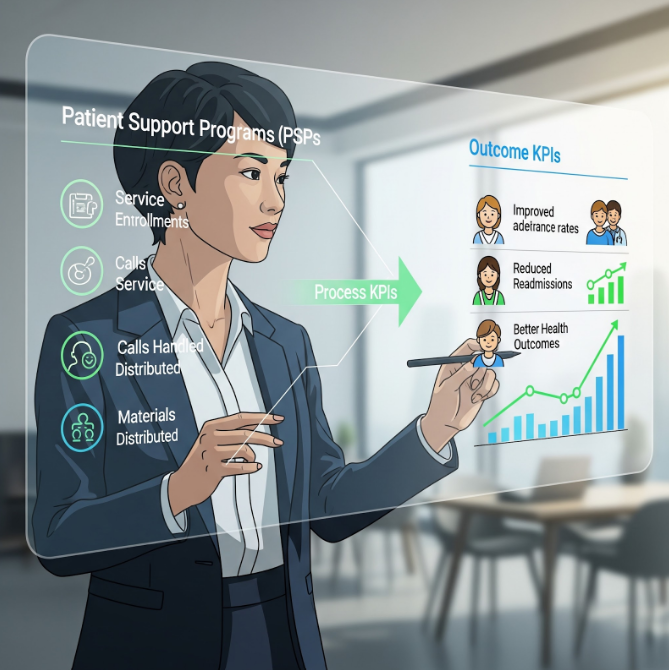
The next step for Taiwan's Patient Support Programs in 2026
Over the past few years, the Patient Support Program (PSP) market has grown rapidly in Taiwan. But looking back from 2026, it is clear the very nature of PSPs has fundamentally changed. They are no longer merely 'patient care services'—not just medication reminders, health education follow-ups, or customer service mechanisms—but have formally crossed a key watershed into the era of value-based care.

Out-of-pocket cancer drug prices: hospital pricing variation and the institutional case for patient access
In Taiwan's cancer care system, many high-priced anticancer drugs are covered by the National Health Insurance, yet patients who do not meet reimbursement criteria must still pay out of pocket — and out-of-pocket prices have long differed from hospital to hospital. The markups Taiwanese hospitals apply to targeted cancer therapies vary significantly, making this a subject well worth studying.
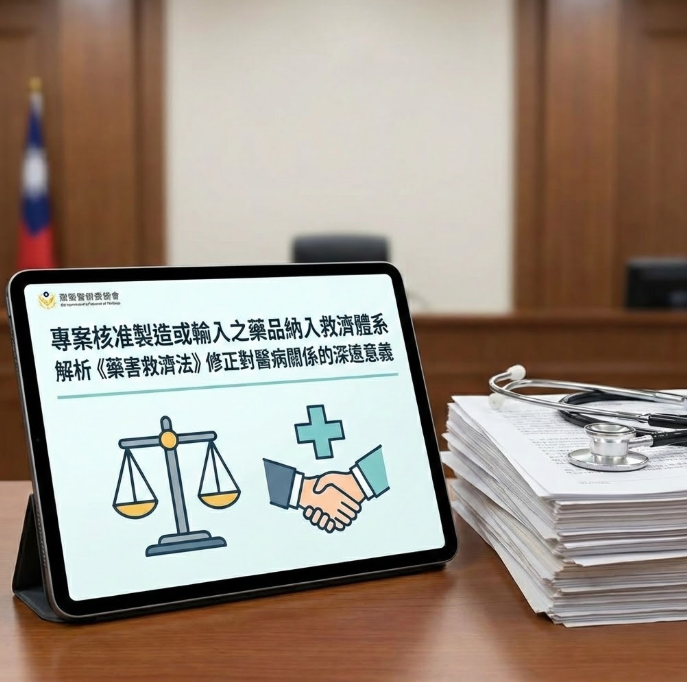
Drugs approved for special-case manufacture or import join the relief system: what the Drug Injury Relief Act amendment means for the physician-patient relationship
In modern medicine, drug therapy is a double-edged sword — efficacy often comes hand in hand with risk. On January 30, 2024, the Legislative Yuan passed the third reading of amendments to Articles 3 and 28 of the Drug Injury Relief Act, formally bringing drugs approved for special-case manufacture or import into the relief system. This legislative advance not only closes a gap in the social safety net, but rebuilds a bridge of trust and security between physicians and patients on the clinical front line.
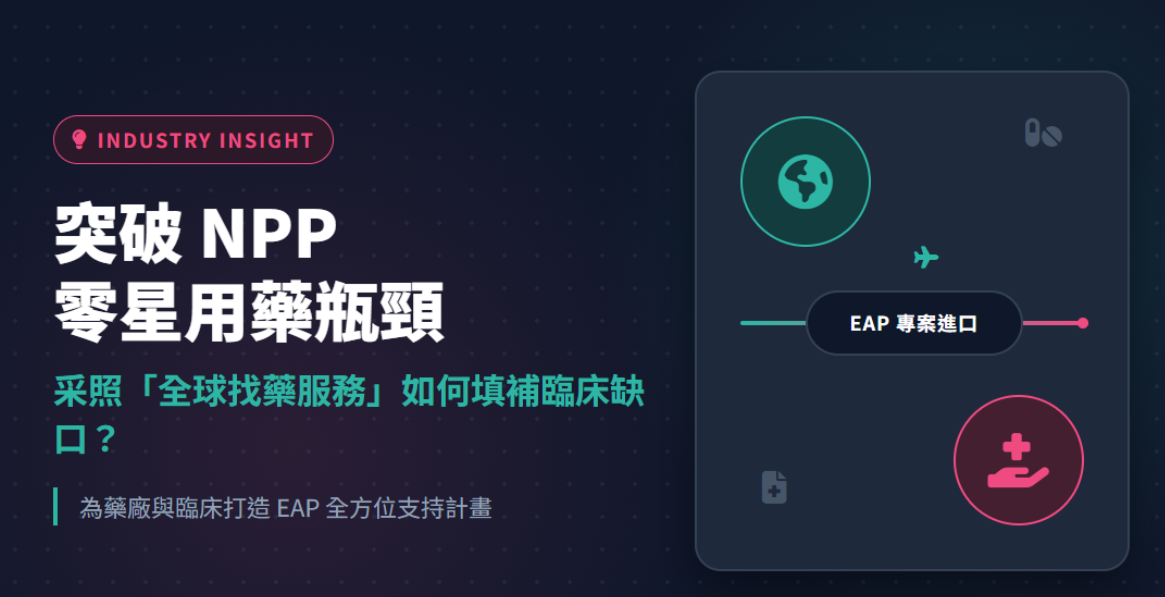
Breaking the NPP small-volume bottleneck: how Media-WIND Health Strategies's "global drug-sourcing service" fills the clinical gap
"Dr. Chen, is there really no other drug left?" Facing the family's anxious tears, Dr. Chen was filled with helplessness. He knew full well that abroad, a new targeted drug had just been approved that precisely matched this patient's genetic mutation, but it had not yet obtained a drug license in Taiwan. To save a life, he decided to initiate an Early Access Program import for the patient—only to sink, over the following weeks, into a quagmire of tedious regulatory paperwork and inquiries in every direction for overseas supply.

The Cost of Getting Sick EP1|How much does a day in the hospital cost? Experts reveal the 3 big hidden medical costs and self-pay myths
When a serious illness strikes, the first shock patients and families face—beyond the illness itself—is often that heavy medical bill. The first episode of the podcast "The Cost of Getting Sick" specially invited Nati, a gynecologic oncology nurse practitioner at Linkou Chang Gung Memorial Hospital, to talk from a frontline perspective about the medical expenses "you never thought about, but definitely have to pay."
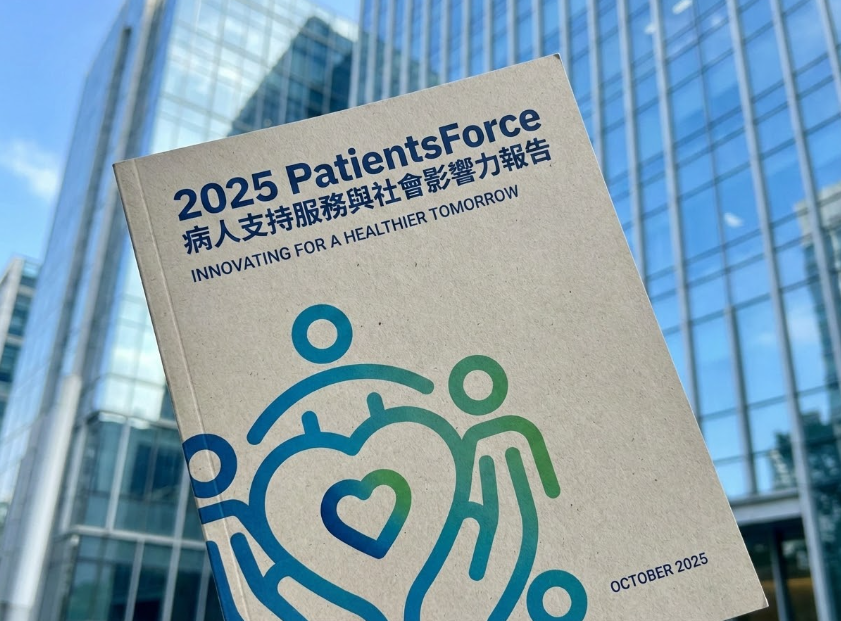
2025 PatientsForce patient support services and social impact report
At the 2025 crossroads of global healthcare cost pressures and Taiwan's National Health Insurance reforms, PatientsForce positions itself as the Strategic Market Access Bridge of the healthcare ecosystem. We not only address the financial affordability of innovative medicines, but also use AI to deliver patient journey management for medication support at scale.

PatientsForce and the Taiwan Foundation for Rare Disorders host a 'Smile Ambassador' craft workshop — bringing understanding into everyday life through companionship and co-creation
To deepen employees' understanding of families living with rare diseases and put corporate social responsibility into practice, PatientsForce and the Taiwan Foundation for Rare Disorders recently co-hosted a 'Smile Ambassador' hands-on craft workshop, inviting Chia-Chen, a family member of a patient, to lead Media-WIND Health Group colleagues through a warm and meaningful crafting session. The atmosphere was heartwarming as handmade creations wove together understanding, companionship, and support.
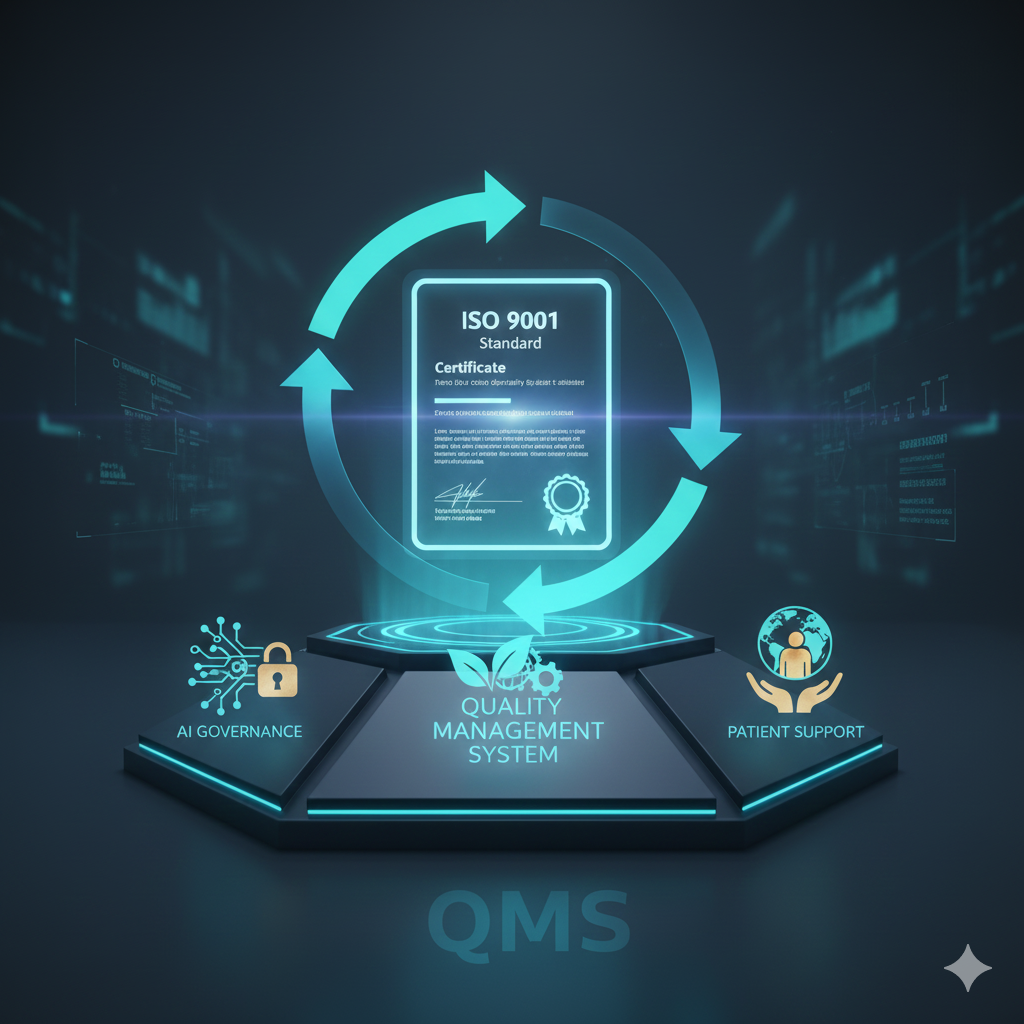
Media-WIND Health Strategies and MediCloud Biotech earn SGS ISO 9001 recertification with zero findings in patient support program quality management
In the highly specialized and tightly regulated field of pharmaceutical management and patient support services, a quality management system (QMS) is the foundation of service reliability and a concrete commitment to patient safety and privacy. Media-WIND Health Group (MWHG) (PatientsForce), a long-standing leader in this field, announced that its two core subsidiaries — Media-WIND Health Strategies Co., Ltd. and MediCloud Biotech Co., Ltd. — have once again passed SGS ISO 9001 quality management system recertification. The achievement not only underscores the group's unwavering commitment to excellence, but also lays a forward-looking foundation for its digital and sustainability agenda in 2026.
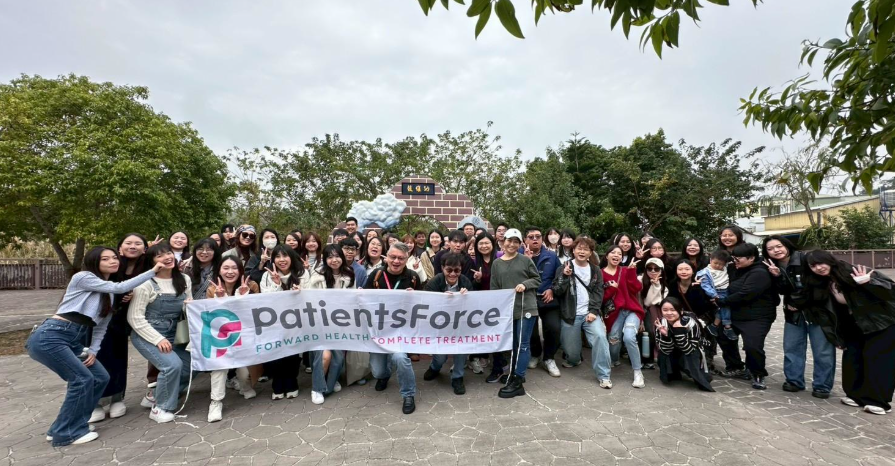
Warm sun, strawberries, and time to unwind: an employee recharge day that multiplied the warmth at PatientsForce
At the PatientsForce (Media-WIND Health Group) employee day, unlike the challenge-based, goal-driven format of traditional corporate team building, employees' physical and mental recharge and downtime took priority over everyday team performance targets. PatientsForce's 2025 employee day was reimagined as an Employee Wellness Day. More than a perk, it was a deep expression of the company's people-first culture — a low-pressure, restorative program designed to turn heartfelt gratitude and care for our colleagues into the energy to keep moving forward.

A new era in patient services: journey management and support optimization
In the ever-evolving global healthcare landscape, the traditional commercial model—historically centered on healthcare provider (HCP) interactions—is reaching a point of diminishing returns. As clinical differences between leading pharmaceutical therapies narrow, the next frontier of competitive advantage lies in Patient Journey Optimization.
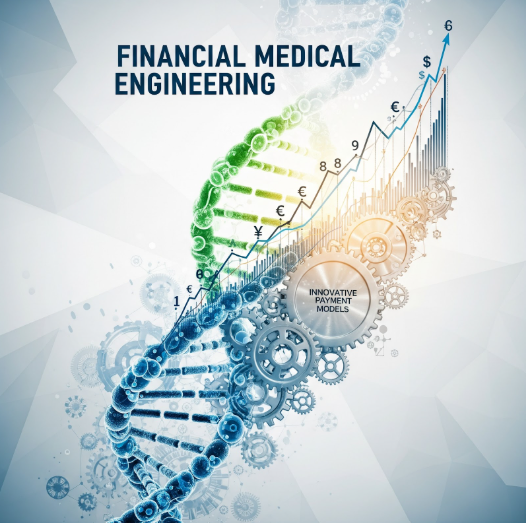
The new healthcare finance revolution — financial engineering for medicine will be the new standard of care
Gene therapies routinely cost NT$30 million — who can afford them? Three new ways to pay, pioneered by pharma companies, insurers, and health systems, are quietly reshaping the future of medicine. A one-time gene therapy that delivers lifelong improvement can cost NT$30 million to NT$100 million. This is not science fiction — it is the reality the United States is facing today. High-priced therapies give many rare disease families hope, but they also put insurers and health systems under unprecedented financial pressure. "Paying all at once is too expensive, but not paying is not an option." That is the dilemma every healthcare payer now shares.

From product to shared values: upgrading brand image through content curation
In today's saturated, highly homogenized market, the challenge of brand communication has moved beyond simply being seen and remembered to a more essential goal: winning recognition at the level of values. For any brand, continuously maintaining and elevating its image is key to securing market position and long-term competitiveness. As a new generation of consumers raises its expectations for quality of life and cultural depth, the way they relate to brands is no longer limited to product functionality — it has shifted toward resonance with spiritual values and a philosophy of living. Brands now have the opportunity to break free of purely functional marketing and open a new chapter of brand dialogue rich in storytelling and cultural depth, laying the foundation for future growth.
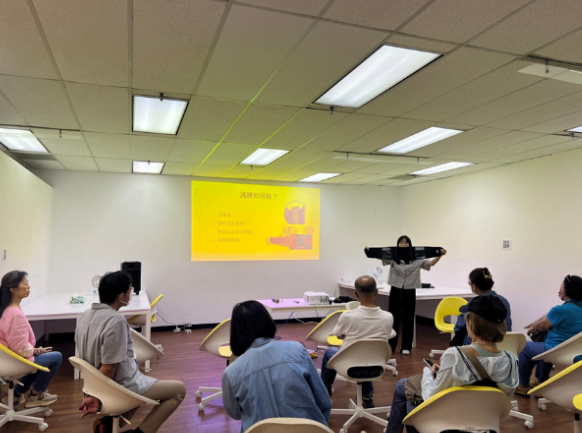
Media-WIND Care Companion and Taiwan Corning Social Welfare Association promote healthy-aging planning lecture series
In a rapidly aging society, helping seniors and their families face the second half of life with confidence has become a new frontier for care services. The 'Secure Aging, Wise Living' lecture series — organized by the Media-WIND Care Companion home care agency and co-organized by the Taiwan Corning Social Welfare Association and Mega Bank — has held four sold-out sessions since launching in July, each drawing around 10-20 enthusiastic participants. Built on the core value of 'Care Companion — from caregiving to companionship, from now into the future,' the series combines expert talks, interactive exchange, and cross-sector collaboration to turn later-life planning from an abstract idea into a practical blueprint for living.
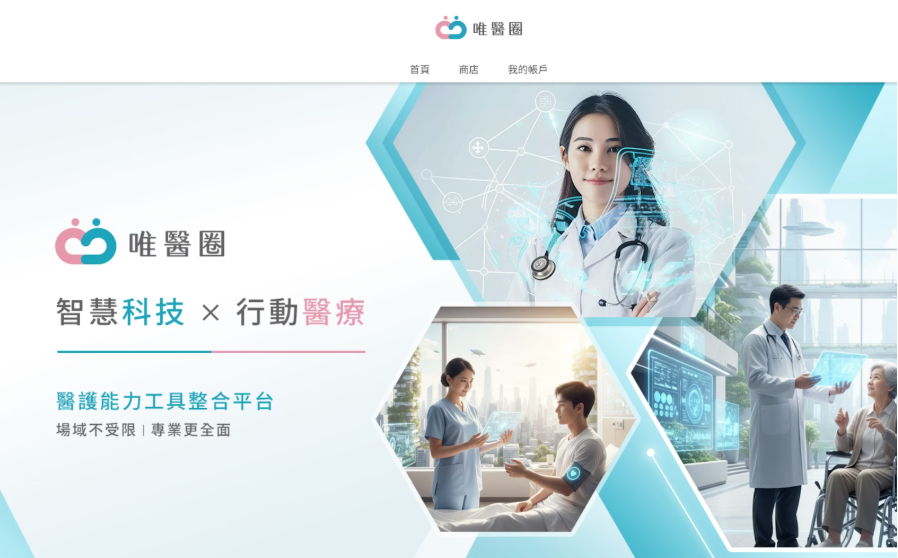
Media-WIND Health E-commerce transforms: building a mobile medical device service ecosystem
The PatientsForce Media-WIND Health E-commerce division has spent years in the Taiwan market as an e-commerce medical device vendor and health distribution service provider, delivering high-quality health solutions to professional consumers. It has successfully managed international pharma-grade brands such as Chocola BB energy and beauty products, and VSL#3 medical-grade probiotics (backed by the most extensive body of international clinical trial reports, including Dicoflor LGG probiotics), establishing a brand reputation for professional distribution services.
Walking with cancer, making peace with life: Cathy's path of gentle strength
At 34, a routine checkup brought a diagnosis that opened a different door in Cathy's life — stage 1 breast cancer. Her once orderly life gave way to a treatment plan: she scheduled surgery, adjusted her routines, and relearned how to care for her body. Through that period, she believed that if she simply followed her treatment step by step, she could get back on her original track.
An eighteen-year marathon against lung cancer: a family's road of never giving up
"The year I turned fifty, my whole world turned upside down at once." Recalling those days, Mr. Tseng's voice still carries a trace of emotion. That year, he had just left his longtime employer to start his own business when a chest X-ray after eye surgery unexpectedly revealed an abnormal shadow in his lung. The diagnosis that followed opened an eighteen-year journey of battling lung cancer.
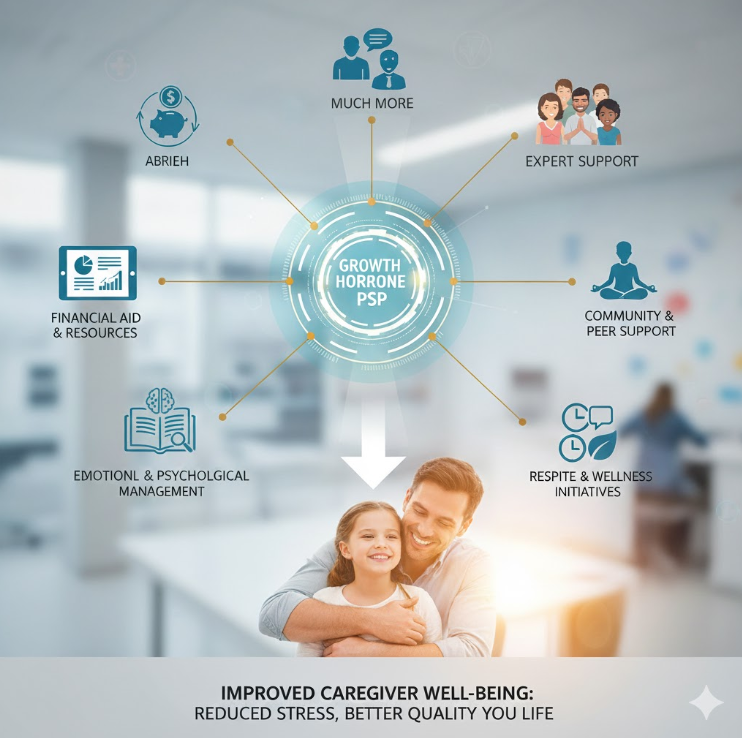
Research spotlight: how a growth hormone Patient Support Program (PSP) helped caregivers
Recombinant human growth hormone (r-hGH) therapy has long faced adherence challenges in pediatric endocrinology. A paper recently published in Frontiers in Endocrinology (April 2025) evaluated the TUITEK® Patient Support Program (PSP), which uses personalized coaching to help the primary caregivers of children receiving r-hGH.

Patient Support Programs (PSPs) are complicating drug safety surveillance
In today's pharmaceutical and biotech landscape, Patient Support Programs (PSPs) have become an indispensable tool. These programs aim to improve patients' access to innovative therapies and their medication adherence, ultimately enhancing clinical outcomes and driving commercial success. For many companies, a robust PSP is no longer a nice-to-have but a strategic necessity, especially in complex, high-cost rare disease and oncology treatment. Yet this critical function brings a new and often overlooked challenge: it is making the very drug safety surveillance system it is meant to support more complicated.

From sustainability to urgency: a product lifecycle mindset for PSP and EAP
A drug's lifecycle services span from pre-launch clinical trials through to post-approval commercialization, but the core issue is always the same: solving patients' access to medicine. As new drugs reach the market ever faster, a more strategic concept of patient support services has emerged — the Patient Solution has evolved from the PSP (Patient Support Program) to the market frontier of the EAP (Expanded Access Program).

Shifting cancer treatment models and the challenges of insurance claims
The rise of precision medicine has moved cancer treatment away from inpatient chemotherapy toward more precise outpatient or at-home oral therapies with fewer side effects. While this improves patients' quality of life, it also poses unprecedented challenges to traditional insurance policies that condition payouts on hospitalization.
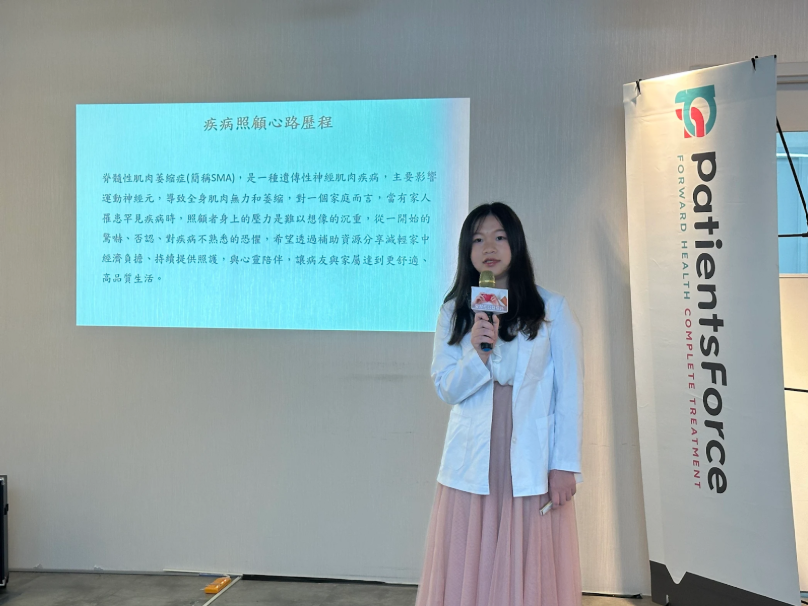
The barrier is the environment, not the person: an SMA patient and professional care sharing session
The iHelp Charitable Trust held its "Composing the Chapters of Life" SMA patient and care sharing session on August 22. The event invited SMA patient Chloe (a pseudonym) and a clinical patient educator to share their real-life stories and professional experience, guiding colleagues into the everyday world of SMA patients and their families and helping them understand the journey of living with the disease and its care.

Pharma Voice: an intelligent voice architecture for pharmaceutical phone support
In the pharmaceutical industry, phone support systems face challenges of heavy information loads, highly repetitive workflows, and demands for immediacy. Pharma Voice integrates AI speech recognition, natural language understanding (NLU), and database connectivity to give pharmacies, clinics, medical societies, and hospitals an efficient voice customer service solution, automating structured voice-based information queries

Toward home-based healthcare: what PSPs need in an era of decentralization
In recent years, shifting healthcare demand and supply have been pushing health systems toward decentralization. In the United States, more and more insurers and PBMs (Pharmacy Benefit Managers) are deploying payment tools such as Alternative Funding Programs (AFPs), Copay Accumulators, and Copay Maximizers—tightly controlling reimbursement for high-priced emerging drugs and shifting the financial pressure onto pharmaceutical companies, which leaves patients facing more barriers to treatment.

Opening a whole new doctor-patient conversation! "Virtual IP marketing" crosses into healthcare to create health education that resonates
Amid the wave of digitalization and AI-driven virtualization, the image of brand spokespeople is rapidly transforming. In the past, companies mostly relied on real-life celebrities or KOLs to convey messages across various platforms, drawing attention through their reach and popularity. However, as the same celebrity frequently endorses multiple brands, consumers often struggle to clearly distinguish each brand's unique positioning, leaving brand memory points blurred and undermining marketing effectiveness. By contrast, virtual spokespeople offer greater flexibility and malleability, able to flexibly adjust their image and behavior according to different product features and marketing strategies, effectively building a vivid and lasting brand impression—becoming a marketing trend and breakthrough for the new era.

Open 365 days a year! PatientsForce AI service takes over after hours — smart voice technology for an uninterrupted professional experience
When you call the PatientsForce service line after hours, you will no longer hear a cold voicemail, but instead be warmly greeted by our AI voice agent, "Little P." Whether it is night, weekend, or a public holiday, PatientsForce has introduced integrated AI voice technology, making round-the-clock smart service a new standard of our service quality.
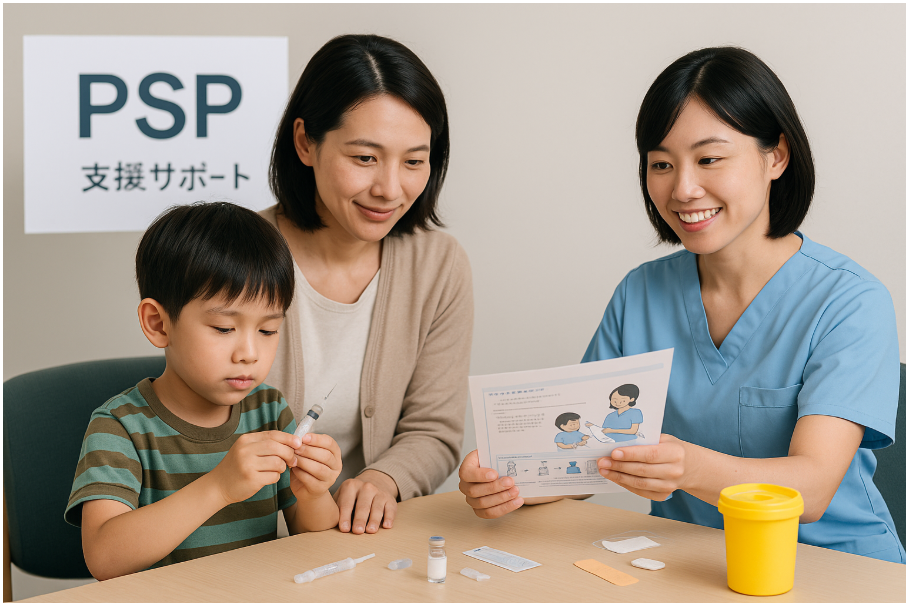
PatientsForce launches a rare-disease new-drug patient support program: heartfelt companionship lighting up hope for rare-disease families
With a new rare-disease drug gaining reimbursement approval this year, PatientsForce has taken on the drug's Patient Support Program (PSP), analyzing patient needs across the treatment journey and working with healthcare institutions to address patients' care needs.

PSP services: pharma's most effective investment in rare disease care
Rare diseases pose unique challenges for physicians and patients alike, including small patient populations, expensive and complex treatments, and significant hurdles in diagnosis and care. To improve treatment success in rare diseases, pharmaceutical companies increasingly rely on Patient Support Programs (PSPs) — integrated support services delivered alongside therapies that assist patients while helping physicians carry out treatment plans.

Corporate EAP partnership program: MediBiz opens an efficient, win-win model for matching corporate health promotion programs
When it comes to health education outreach, are you still relying on phone calls, sales visits, or passively waiting for your target audience to come to you? PatientsForce's 醫企通 MediBiz is a health resource matching platform dedicated to providing a solution that helps you connect with companies quickly and build effective channels to reach your target audience. MediBiz maintains an active list of occupational health nurses at more than 200 companies — whether you need corporate health talks, health promotion activities, or on-site health education stations, it can connect you with the right resources to advance your health education work. Since 2020, MediBiz has successfully matched more than 50 Taiwanese companies, including Taiwan High Speed Rail, Taiwan Railways, HSBC, and Taiwan Life, hosting a wide range of health education talks and reaching a cumulative total of more than 3,000 corporate employees.

Dicoflor | Clinically proven LGG® probiotics, brought to the Taiwan market with support from Media-WIND Health E-commerce
Dicoflor is a medical-grade probiotic supplement built around a single core strain, Lactobacillus rhamnosus GG (LGG®, ATCC 53103), designed for people with sensitive guts, microbiome imbalance, and immune-regulation needs. LGG® is one of the most extensively studied and clinically documented patented probiotics in the world, with a defined strain number and multiple international certifications.
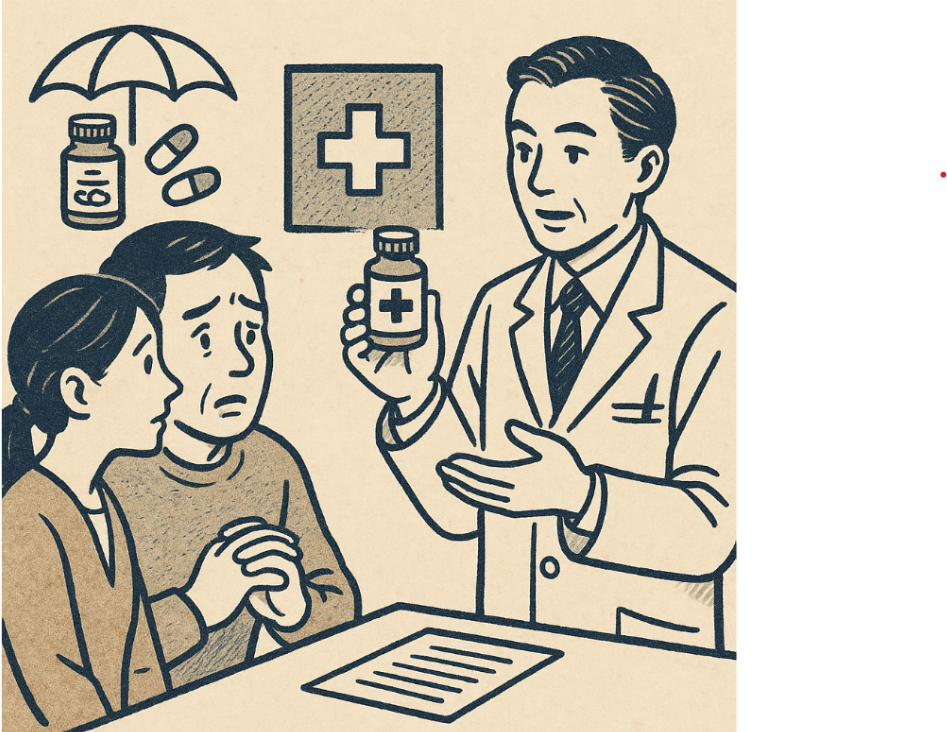
Helping patients bridge the National Health Insurance coverage gap: Patientsforce's innovative solutions
Taiwan's National Health Insurance (NHI) system is renowned worldwide for its high coverage rate and accessibility. Yet as medical technology advances at a rapid pace, a critical "coverage gap" persists between the speed at which innovative drugs — especially specialty medicines — reach the market and the pace of NHI reimbursement review. During this period, a drug has already been approved for sale by the regulatory authority but has not yet been added to NHI reimbursement, placing a heavy economic and psychological burden on patients in urgent need of treatment and their families, while also posing challenges to pharmaceutical companies' market access strategies.

Applying for long-term care is more than paperwork—it's about respecting your elder's life! Care Companion reminds you of 5 key preparations
You're not just filling out a form—you're fighting for your family member's dignity and quality of life! "Grandma clearly walks unsteadily, so why did the care manager write 'can walk independently'?" The care manager isn't the one at fault—you overlooked these 5 things...
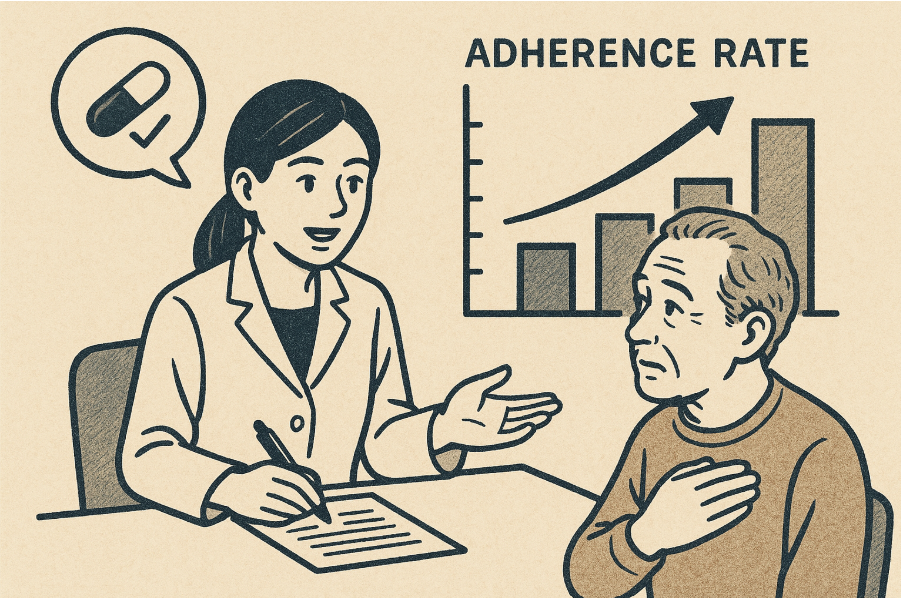
How the PatientsForce Patient Support Program improves medication adherence: an outcomes analysis
In chronic disease and specialty treatment, the patient adherence rate is a key indicator of treatment effectiveness and patient outcomes. Intervention and care by the professional health educators of a Patient Support Program (PSP) have gradually become an important strategy for raising the quality of care.

Redefining care escort services: the patient navigator as the core of patient journey navigation
As healthcare systems grow more complex and treatment journeys demand continuity of care, simple appointment-accompaniment services can no longer meet the diverse needs of today's patients. Accompanying a patient to the clinic is not just about companionship — the concept of the Patient Navigator is the key to redefining the value of professional care escort services. A Patient Navigator does more than accompany: they actively guide, coordinate, and remove obstacles throughout the care journey, serving as the bridge between patients and the healthcare system and comprehensively improving the experience and outcomes of the patient journey.
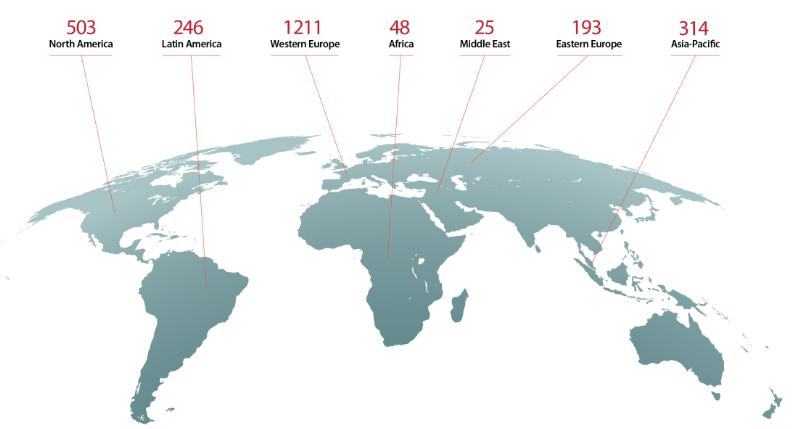
New from PatientView: the 2025 global survey of how patient groups view pharma reputations
In today's era of accelerating medical innovation, pharmaceutical companies are no longer measured solely by their pipelines or financial results. The real stakeholders—patients—are starting to demand more: transparency, accessibility, and genuine partnership. PatientView's Corporate Reputation of Pharma 2024/2025 report offers a window into how patient groups perceive and engage with pharmaceutical companies.
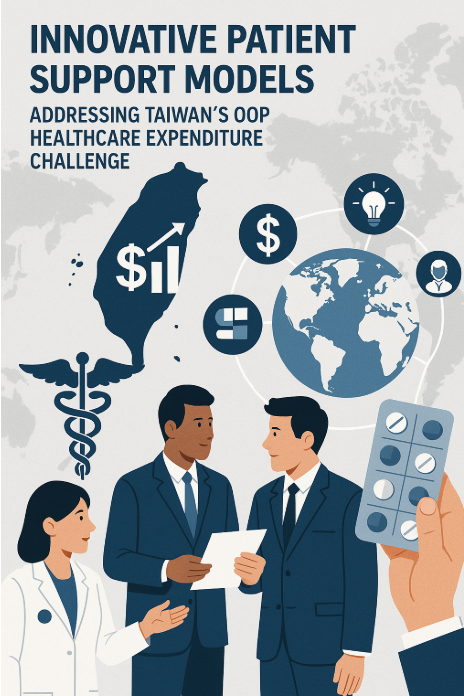
Innovative patient support models to tackle Taiwan's out-of-pocket healthcare spending challenge
Since its launch in 1995, Taiwan's National Health Insurance (NHI) system has achieved near-universal coverage (99.9%) through its single-payer model. Yet Taiwanese households' out-of-pocket payments (OOPs) account for roughly 30% to 35% of Current Health Expenditure (CHE)—a figure that does not exclude private insurance reimbursements. According to a recent CommonHealth Magazine survey, more than 70% of the public report experience with self-paid medical care.

AI-powered senior home nursing and patient care companionship
The vision of aging at home and its dual needs. As the world grows older, Taiwan's pace of aging is especially striking, and demand for long-term care keeps climbing. Against this backdrop, "aging in place" is the wish of the vast majority of older adults. Yet traditional home care models face multiple challenges: workforce shortages, cost pressure, heavy burdens on family caregivers, and the loneliness and social isolation older adults may experience.
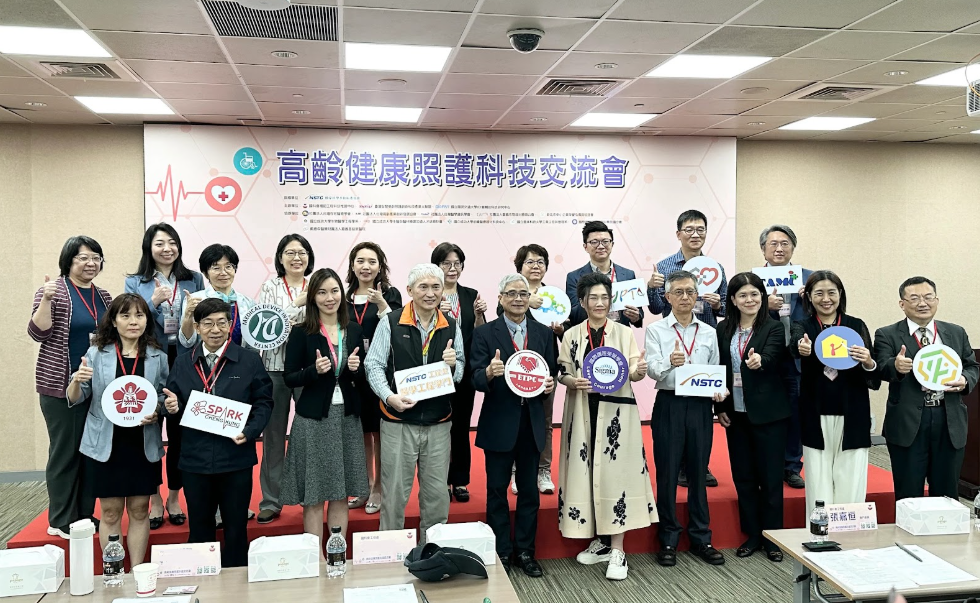
AI-powered senior health care: PatientsForce invited to the NSTC cross-domain innovation showcase
As Taiwan rapidly becomes a super-aged society, technology for senior care has become a national development priority. Today (the 10th), the Senior Health Care Technology Exchange—funded by the National Science and Technology Council (NSTC) and co-hosted by the Engineering Technology Promotion Center, the Taiwan Smart Aging Care Innovation Technology Industry Alliance, and the ICF and Assistive Technology Research Center at National Yang Ming Chiao Tung University—opened in Taipei, bringing together experts from industry, academia, and research along with startup teams to showcase the latest AI and medical technology achievements and drive the real-world adoption of smart care.
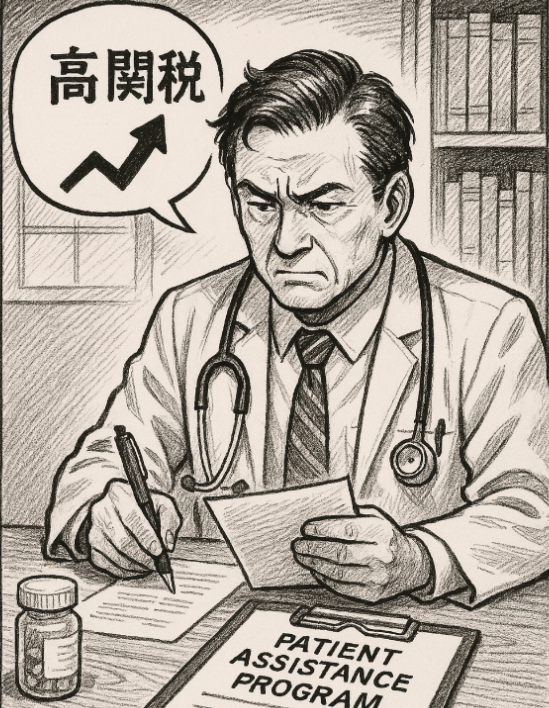
The hidden cost of the trade war: how high tariffs could affect patient assistance programs
President Trump's healthcare policies — cutting Medicaid and ACA subsidies — could leave more Americans uninsured, while high-tariff policies drive up healthcare costs and in turn increase demand for PAPs (Patient Assistance Programs). PAPs are designed to help patients afford their medications, particularly low- and middle-income families.

PatientsForce named a preferred supplier for PSP program management
In Taiwan, a new drug often faces a long wait between obtaining marketing approval and gaining reimbursement, leaving a growing number of patients facing the challenge of self-funded treatment.

How pharma is responding to patients' ESG concerns: patient perspectives and corporate action
As ESG (environmental, social, and governance) issues grow ever more important across the global pharmaceutical industry, patient groups are paying increasingly close attention to pharmaceutical companies' ESG performance.

Tighter oversight of pharma patient assistance programs (PAPs): from compliance management to digital transformation
Nearly two decades into Medicare Part D, patient assistance programs (PAPs) established by pharmaceutical companies have become a growing focus of US healthcare policy. In recent years the federal government has steadily tightened oversight through the HHS Office of Inspector General (OIG) and the Centers for Medicare & Medicaid Services (CMS), particularly of PAPs operated through charitable organizations — building a multi-layered compliance framework and requiring regular audits, with the aim of preserving access to medicine while curbing abuse of healthcare resources.
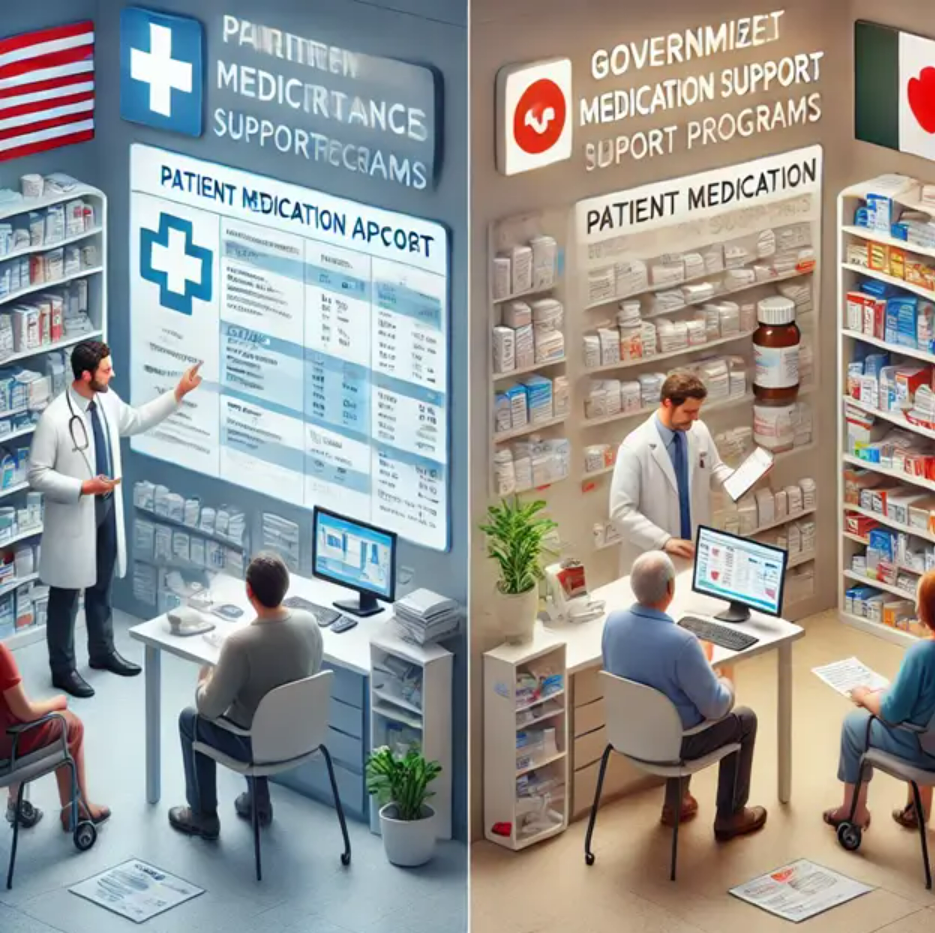
The role of Patient Support Programs in pharmaceutical public-private partnership
In recent years, relentlessly rising global drug costs, heavy out-of-pocket burdens on patients, and uneven allocation of healthcare resources have made public-private partnership an emerging answer for the pharmaceutical industry. Drug manufacturers have been rolling out support programs for specific patient groups, offering end-to-end services from personalized drug financing and health education to case management — reducing patients' financial burden while improving treatment adherence and health outcomes.

Government-contracted home long-term care with Care Companion: health care you can count on
Statistics show Taiwan will become a super-aged society in 2025, when the population aged 65 and over reaches 20.6%. The Ministry of Health and Welfare projects that as Taiwan enters super-aged status in 2026, the share of older adults in the total population will keep rising—expected to exceed 30% by 2039 and reach 43.6% by 2070. Caring for elderly family members has become a critical issue for many households. Most older adults today choose to remain in the familiar surroundings of home, and how to provide quality care while easing the burden on families and supporting caregivers has become an important issue.

Nature Medicine: GPT-4 helps physicians improve clinical decision-making
As artificial intelligence (AI) advances, healthcare is steadily integrating large language models (LLMs) such as GPT-4 into clinical decision-making. A recent study published in Nature Medicine found that GPT-4 significantly improves physicians' management reasoning: compared with physicians using conventional resources alone, those assisted by GPT-4 performed better in diagnostic accuracy, treatment planning, and overall decision quality.

2025 iHelp Charitable Trust Hope Fund now accepting applications
The iHelp Charitable Trust (Hope Fund) was established in 2017 with approval from the Ministry of Health and Welfare and is held in trust by Cathay United Bank, operating under its public-benefit charter. The fund is dedicated to helping patients with cancer, rare diseases, and catastrophic illnesses face their treatment challenges, get through hard times, and regain hope for life. Funded by donations from caring companies, organizations, and individuals, every dollar goes toward supporting patients in completing treatment and returning to normal life, so that love and hope keep flowing through adversity.

2024 PatientsForce ESG summary report
In 2024, Media-WIND Health Group's PatientsForce actively advanced environmental, social, and governance (ESG) actions and achieved multiple results, demonstrating the company's comprehensive commitment to sustainable development and social responsibility. These actions span the three dimensions of environmental (E), social (S), and governance (G), not only embodying the core values of digital innovation and sustainable operations but also laying a solid foundation for the company's future direction.
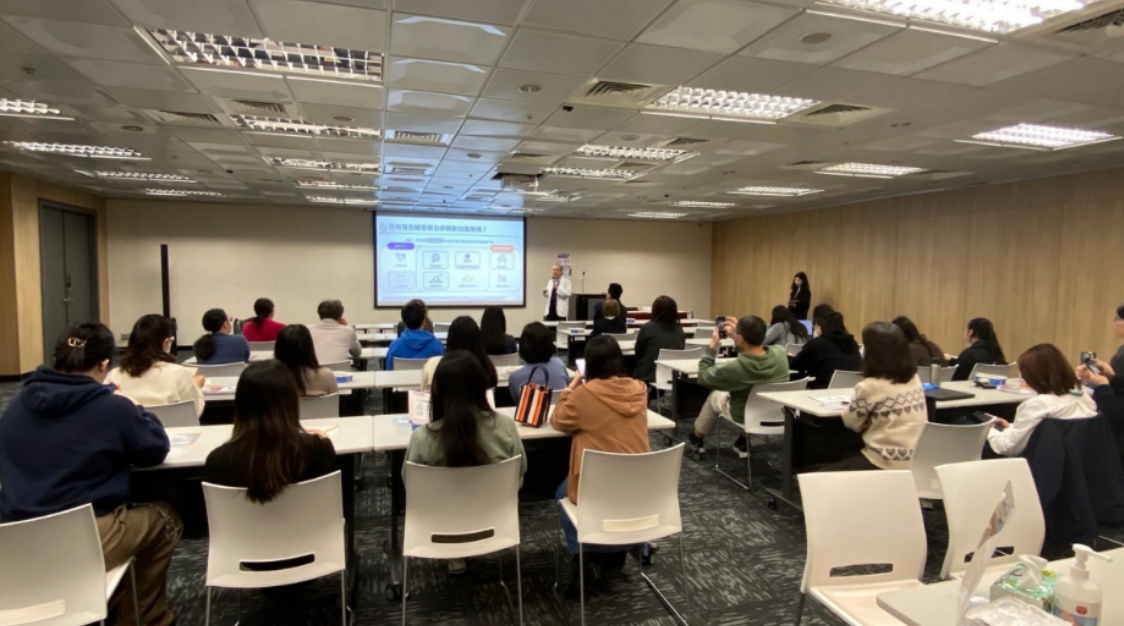
Corporate health care at the core: a new business model where all three sides win
PatientsForce runs 醫企通 MediBiz, a LINE official account dedicated to corporate occupational health nurses, with more than 200 occupational nurses from major well-known companies already on board. Combined with on-site corporate health seminars and health screenings, and integrating resources across employers and healthcare providers, it creates a three-way win for companies, healthcare institutions, and PatientsForce — raising employee health and wellbeing.

2024 PatientsForce Patient Assistance Services Report
Value-based healthcare, focused on patient treatment outcomes, is PatientsForce's guiding service philosophy. The PatientsForce team is committed to optimizing patient journey management — starting from clinical diagnosis, helping patients ease their treatment burden, integrating care resources, and supporting patients through to completion of their prescribed treatment course. Working hand in hand with a professional consulting and management team alongside pharmaceutical companies and other healthcare resource providers, and focusing primarily on major or long-term chronic disease care, we provide integrated services covering drug costs, finances, care, and resources for patients — a patient-centered journey management approach that improves patients' access to and affordability of medicine.
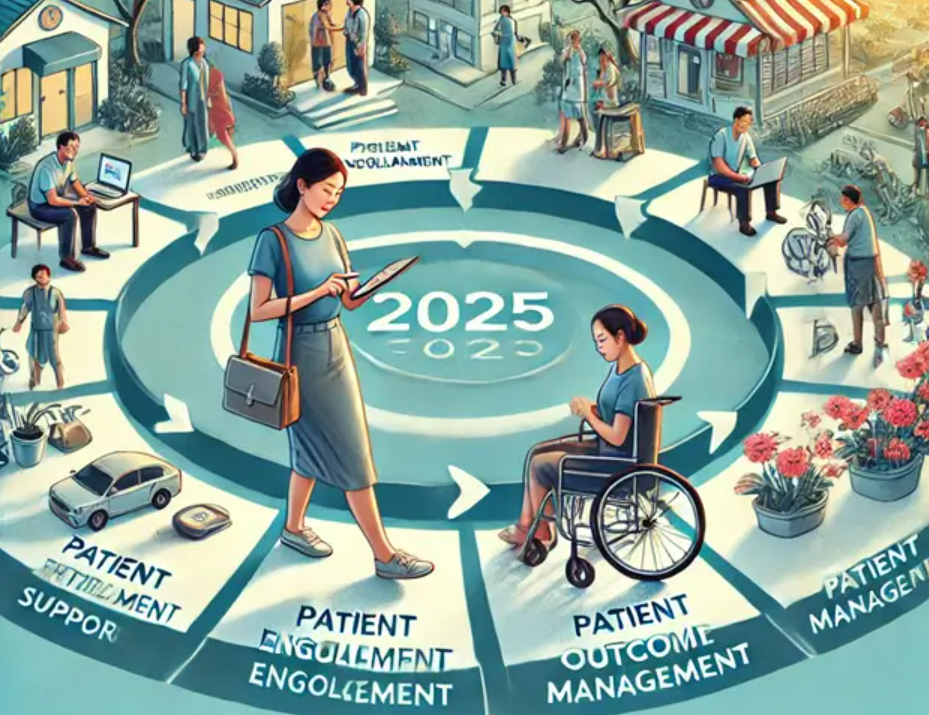
Healthcare and patient support services in 2025: shifts and progress
According to Deloitte's "2025 US Health Care Outlook" report, rising healthcare costs are the biggest challenge facing the healthcare system, and they are expected to keep climbing in 2025. The report notes that US healthcare spending is projected to reach a staggering US$4.6 trillion in 2025—meaning patient demand for PAP/PSP financial assistance will continue to grow, and pharmaceutical companies will face even greater pricing pressure.
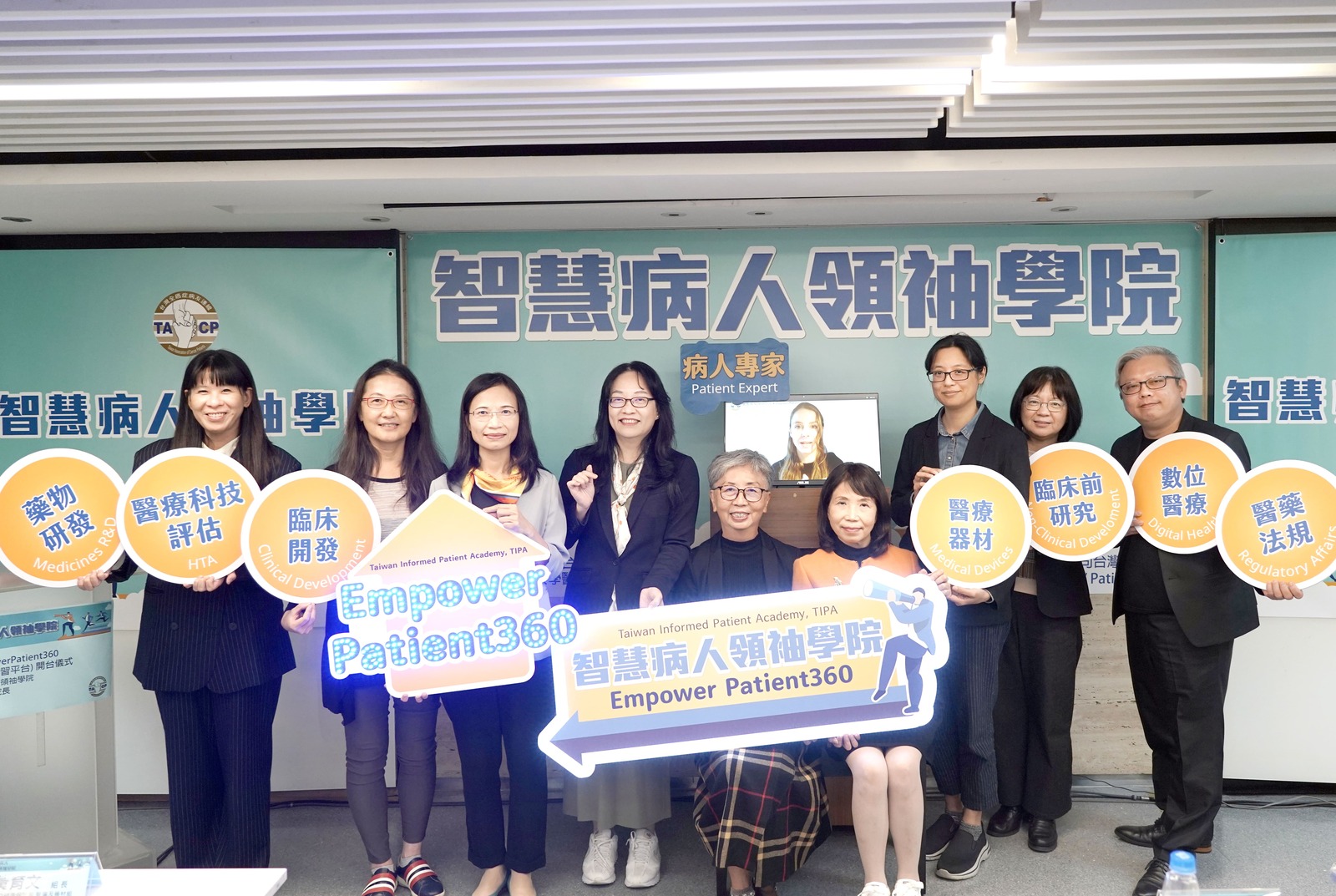
Smart Patient Leadership Academy expert course: empowering patients, PatientsForce supports patient groups as partners
As medical technology leaps forward and treatments continue to evolve, patients' voices and participation are increasingly vital to improving the healthcare system. PatientsForce has always believed that meaningful patient participation can fundamentally improve the quality and efficiency of healthcare services. That is why PatientsForce continues to support the Smart Patient Leadership Academy in cultivating patients into experts in healthcare decision-making.

PatientsForce Media-WIND Health Strategies joins the SBTi SMEs 2030 net-zero initiative
Media-WIND Health Strategies Co., Ltd. (Media-WIND Health Strategies) has officially joined the Science Based Targets initiative (SBTi) Small & Medium-Sized Enterprises (SMEs) 2030 net-zero initiative, committing to net-zero carbon emissions across Scope 1, Scope 2, and Scope 3 by 2030, supporting its climate improvement plan, and working toward the Paris Agreement's 1.5°C reduction requirement.

PatientsForce COO wins 2024 Women Entrepreneurs Elite Award, showcasing the innovative strength of Taiwan's healthcare industry
As global healthcare demand continues to climb, third-party support systems for healthcare have become a market trend, supporting access to innovative medicines. PatientsForce, part of Media-WIND Health Group, is a leading provider of access-to-new-medicines services for global international pharmaceutical companies, serving more than thirty international pharmaceutical firms. Drawing on her outstanding management and innovation capabilities, PatientsForce co-founder and COO Wang Yi-wen won the 2024 Women Entrepreneurs Elite Award from the Small and Medium Enterprise and Startup Administration of the Ministry of Economic Affairs, earning the judges' favor with her innovative service transformation model.

How PatientsForce solves data management pain points with Patient Support Programs
As the era of digital healthcare arrives, remote health data management is becoming a cornerstone of modern medicine. Under the Taiwan government's '888 Program' in particular, remote health data management is seen as a key means of improving lifestyle-related diseases. Yet today's remote health data management systems face challenges in data accuracy, patient adherence, and insufficient collaboration with healthcare institutions. PatientsForce has proposed an innovative solution centered on the Patient Journey, aiming to break through the current bottlenecks and improve overall healthcare efficiency and patient well-being.

"My Ordinary Everyday, Someone Else's Poetry and Distant Horizons": a rare-disease patient group faces the public with an art exhibition for the first time
A free public-interest exhibition runs Nov 12 to Nov 17 at the Nangang Bottle Cap Factory. Drop 30 centimeters to experience daily life through the eyes of people living with achondroplasia.
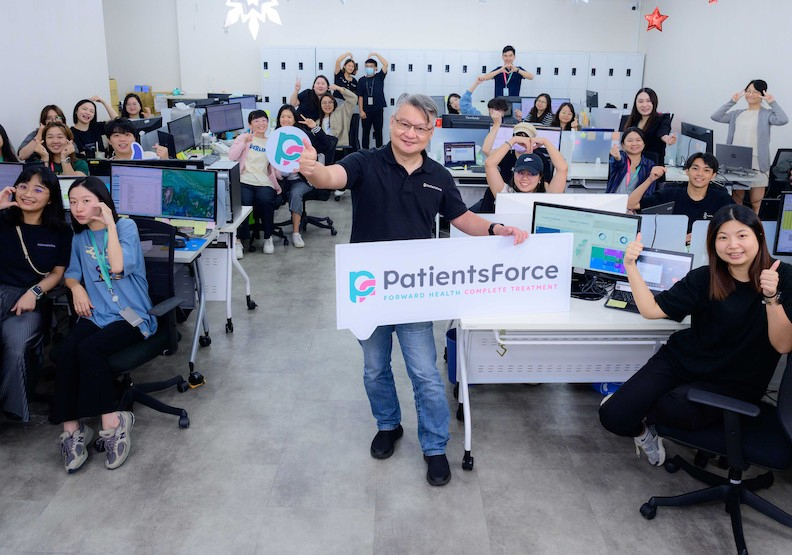
[Global Views Monthly] Smart innovation drives diverse support for new drugs: the Patient Support Program digital management platform makes treatment timelier and better
Digital transformation is not just about applying technology—it means breaking old frameworks and exploring new business models to keep a company moving forward. Having innovated its way from medical consultancy to a new pharmaceutical benefit program platform, how does Media-WIND Health Strategies use digital innovation to lower patients' medication burdens and barriers, giving them more, timelier, and better-suited treatment options?
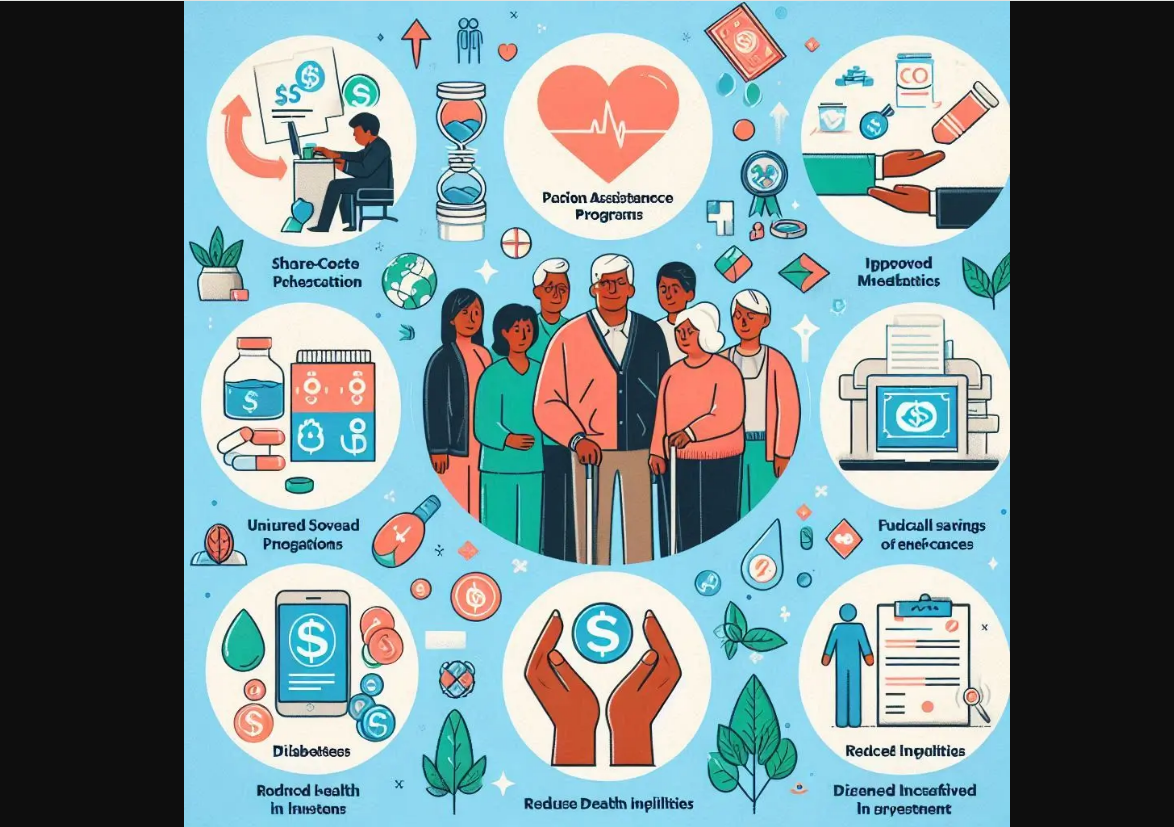
How social impact investing drives the use of new drugs and improves patient care
Social impact investing has become an important force in driving healthcare reform internationally, especially in promoting the use of new drugs and improving patient care, and it is closely linked to the United Nations' Sustainable Development Goals (SDGs)—in particular SDG 3 (Good Health and Well-being) and SDG 10 (Reduced Inequalities). In recent years, investors have used the concept of social and sustainable return on investment (SSROI) to quantify the social benefits and financial returns of these programs, so as to better understand their value in advancing global health equity.
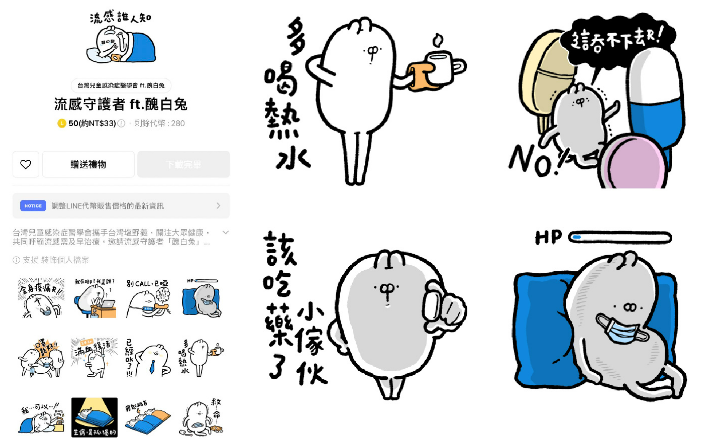
Seizing the fast-changing world of PR: a children's flu health education campaign
Many brands and products harness the power of public relations to advance their offerings or expand their markets—translating complex, hard-to-grasp ideas and making products more vivid and influential. In healthcare, professional medical PR has likewise helped new products and concepts become part of everyday life.
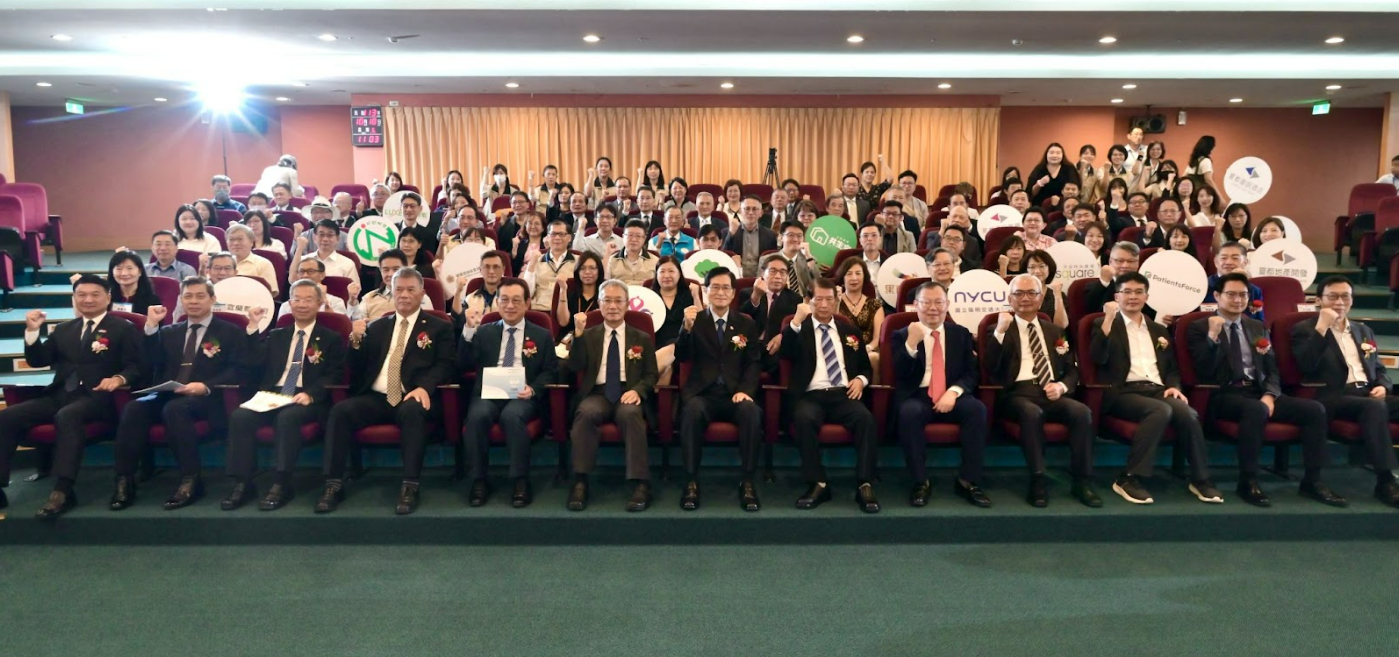
Media-WIND Health Group joins the "Healthy Taiwan Future Demonstration Park" BOT project
On the 18th, Chateau Real Estate, a subsidiary of Chateau, signed the "(Yilan Zan) Veterans Culture and Tourism Recreation Build-Operate-Transfer Project" with the Veterans Affairs Council. Yilan Zan will be planned as Taiwan's first demonstration park centered on leisure tourism combined with AI-powered smart healthcare services, creating an international model for the health and leisure industry. More than a tourism facility, the park will be a comprehensive platform integrating culture, commerce, health, and technology for living, wellness, medical care, and caregiving. Chateau plans to discuss future partnership models with leading organizations including National Yang Ming Chiao Tung University, Q Square, Media-WIND Health Group (MWHG), Kang Ning Social Welfare, Godot Cultural and Creative, Hoplus Health, and Capital Property Management. It is also the first project in Chateau's new health-and-leisure development strategy for integrated living, wellness, medical care, and caregiving.

Voice quality management in the PSP call center
In a fast-moving healthcare industry, patient support services have become key to improving patient satisfaction and treatment efficiency. PatientsForce's next-generation intelligent medical management system is built around the Patient Support Program (PSP) governance process, integrating and upgrading the MediPASS case management platform together with the telephony system. Voice recognition technology drives quality assurance and a better customer experience, while real-time data analytics supports patient workflow management and drug safety monitoring.
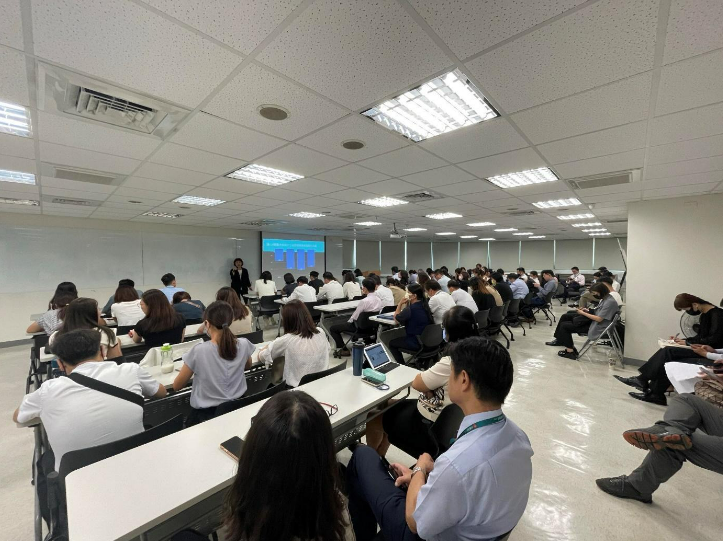
8 habits to reclaim your heart health: PatientsForce Care Companion supports Taiwan Life employees
Cardiovascular disease (CVD) is one of the world's leading causes of death, claiming millions of lives every year. Yet simple daily lifestyle changes can significantly lower the risk. At a recent employee wellness seminar co-hosted by PatientsForce Care Companion and Taiwan Life, attended by more than 150 employees, head nurse Ting Yu-Chih underscored the importance of cardiovascular disease prevention. The data show that the following 8 habits can significantly improve your heart health.
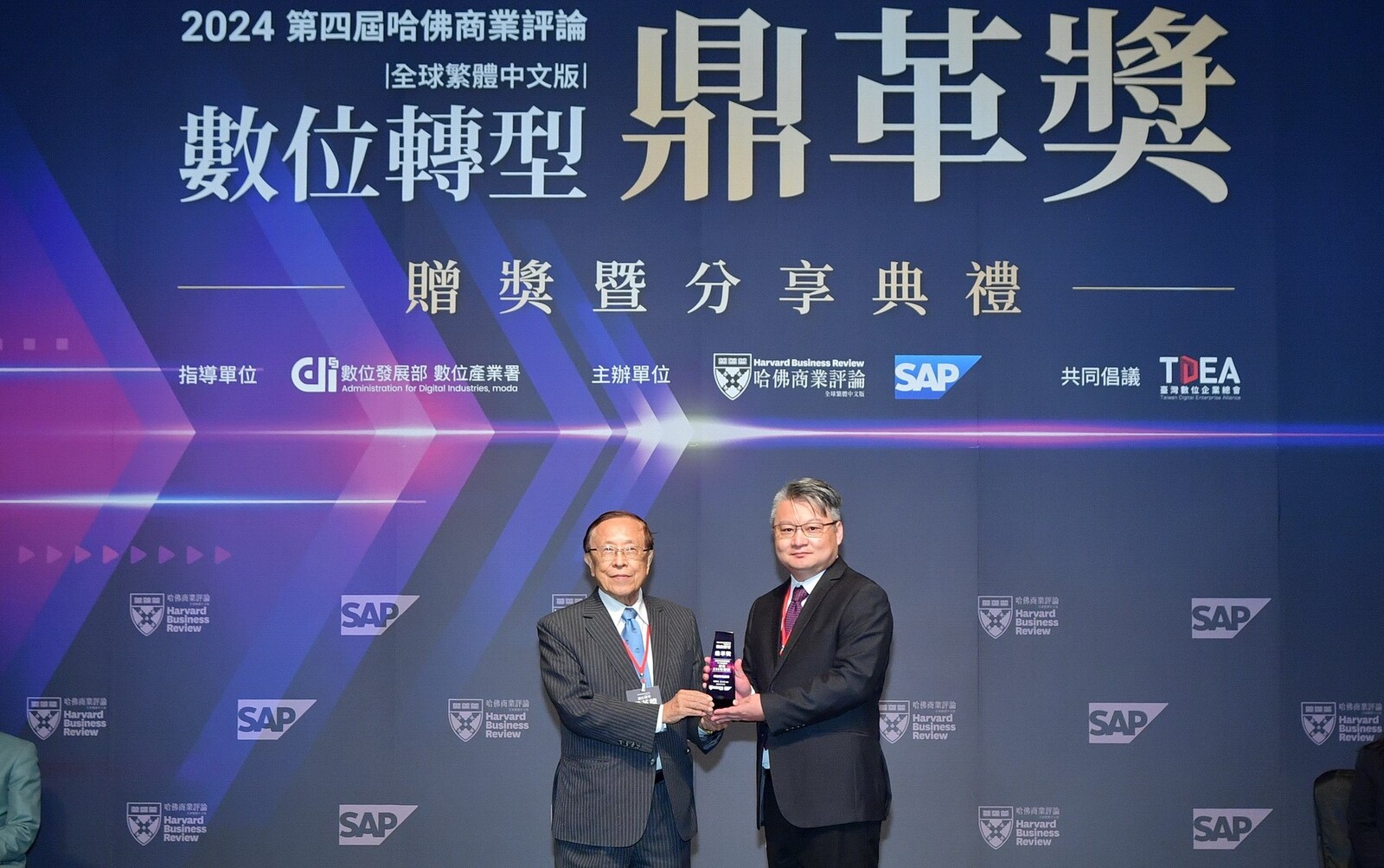
PatientsForce wins HBR DingGe Award top prize for business model innovation and ESG special award for digital access-to-medicine solutions
Harvard Business Review (HBR) Global Traditional Chinese Edition has announced the fourth annual winners of its HBR Digital Transformation ("DingGe") Award. This year's top prize for business model innovation among small and medium enterprises went to Media-WIND Health Strategies, which also earned the ESG Special Award. The winning project tackles the financial burden of self-paid new drugs with an innovative solution: a platform that helps patients obtain financial assistance for new medicines while lowering transaction costs across the healthcare supply chain. It has accumulated more than 60 specialty drug services covering cancer therapies, biologics, and other specialty prescription drugs and medical devices, and through partnerships with multiple international pharmaceutical companies has become the innovator in new-drug benefit programs in Taiwan's healthcare market.

Boosting Patient Support Program (PAP) efficiency through automated workflow systems and AI solutions
Patient support programs (PAPs) have become a critical service for the uninsured or those with insufficient income. By one estimate, about 27.5 million people in the United States are uninsured. However, to keep PAP management effective—especially as the healthcare environment continuously changes—improving management efficiency is the top priority. Automated workflow systems, aided by artificial intelligence (AI), can streamline collaboration and administrator operations and improve patient outcomes.

Media-WIND Health backs late-night street family-medicine outreach, healing the wounds of those struggling to live on the streets
Lee Yi-sheng of the Taiwan Si-An Charity Service Association notes that hundreds of homeless people live in and around Taipei Main Station, including former business owners, highly educated professors, teachers, civil servants, and people from all kinds of backgrounds. Over many years of poverty-relief work, he has found that homeless people who end up on the streets for various reasons endure long-term physical and mental hardship, are used to bearing it, or lack awareness that they are ill; by the time their health deteriorates badly enough to require medical intervention, it is often too late to reverse. The association therefore found a group of young, dedicated physicians and nurses who form a street family-medicine team each month and, in the late-night hours after their shifts end, take to the streets to treat homeless people's ailments and wounds, protecting their basic rights to healthcare and survival.

PatientsForce Media-WIND Health launches voice AI customer service for medical affairs
The 5th Taipei International Care Expo runs through Saturday, September 14 on the 4th floor of Taipei Nangang Exhibition Center Hall 1. At booths M0601 and 0603, PatientsForce and Seattle-based AI startup Seasalt.ai are jointly unveiling a new medical voice AI solution — an AI voice agent that not only answers calls like a switchboard operator, but also places outbound calls to seniors and patients for four-cancer screening notifications and follow-up visit reminders.

High-volume AI voice calls for senior care reminders
AI assistants will replace yesterday's voicemail services and go a step further — providing basic real-time response, acting as a customer service assistant that records essential messages, triages their urgency, and alerts medical administrators to act accordingly, or hands off to a live agent immediately. The result is 24x7 customer service at lower cost and maximum reach. With continuous training of the AI knowledge base and learning from interactive knowledge, the role of AI medical customer service will only grow in importance.

Toward an outcome-driven model of patient support services
In the emerging biopharmaceutical landscape, the role of the Patient Support Program (PSP) is growing ever more important. As medical technology and data analytics capabilities advance, PSPs are gradually shifting from traditional adherence management toward comprehensive, outcome-oriented support services, with the goal of bringing patients' real-world treatment closer to the outcomes intended in clinical design. This continues to reshape the state of patient support services and their innovation, driving pharmaceutical companies to move from a traditional product orientation to a service orientation.
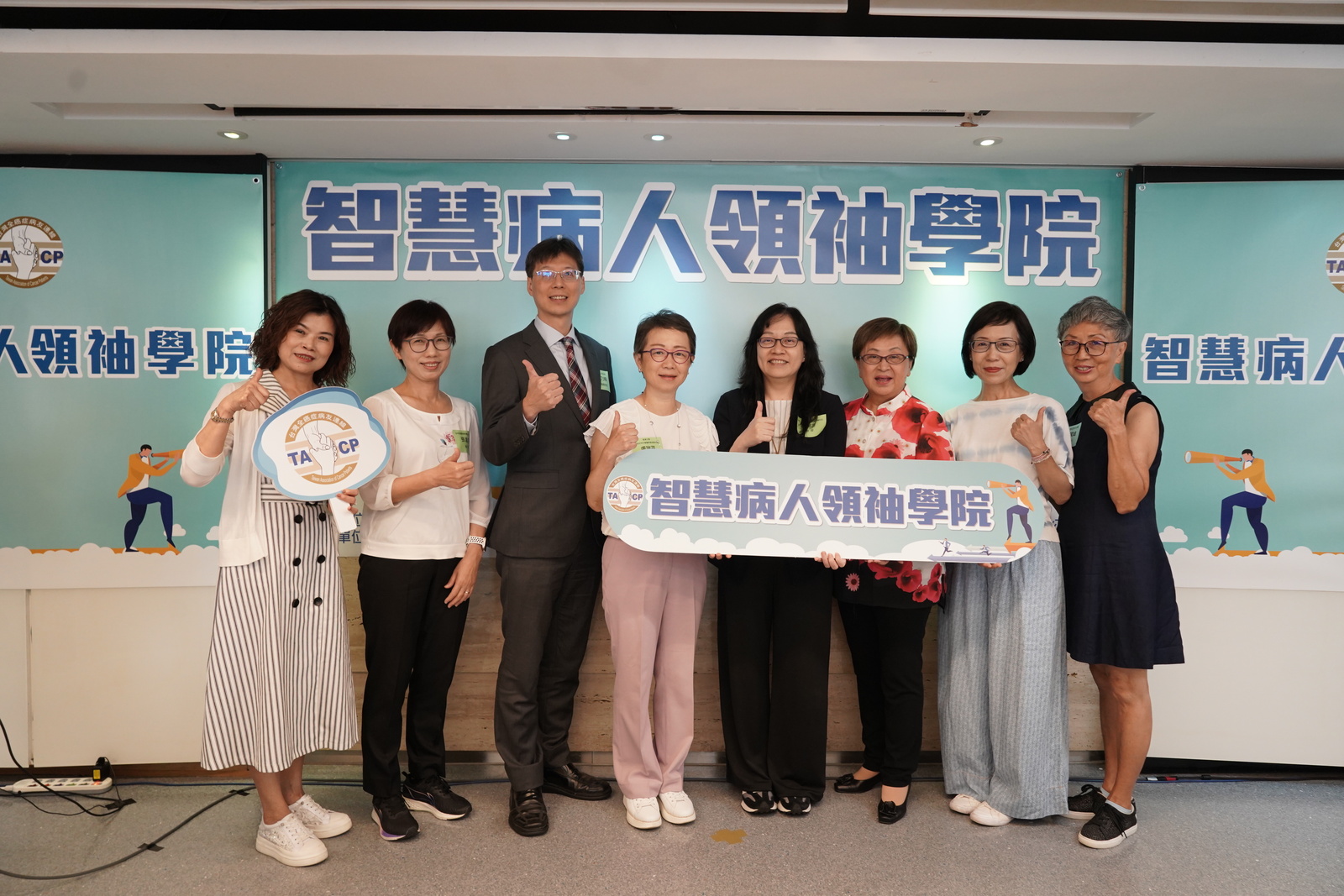
Smart Patient Leadership Academy convenes industry, government, and academia to discuss pairing NHI with commercial insurance for better access to new medicines
As medical technology advances, novel therapies, precision medicine, and new devices keep emerging, giving the public more choices — but also a heavy financial burden. Media-WIND Communications has long supported the Smart Patient Leadership Academy, whose mission is to cultivate patient leaders, providing corporate volunteers, strategic consulting, and resource matching. With this support, the Academy held a forum on August 7 on the feasibility of coordinating National Health Insurance with commercial insurance, inviting experts from across sectors to share perspectives — examining the current state of Taiwan's NHI and commercial insurance and analyzing arrangements in other countries as a reference for future policy.

When patient-reported outcomes differ from physician follow-up in cancer care — the role of Patient Support Programs
According to a study recently published in JAMA Network Open, symptom monitoring through patient-reported outcomes (PROs) was compared in a controlled trial against standard care in which healthcare staff proactively checked in with patients. Lung cancer patients in the trial saw significant improvement in health-related quality of life (HRQOL) in both arms. However, there was no significant difference in effect between patient-initiated reporting and physician-initiated intervention, and no statistically significant difference in overall survival. An extended implication of the study: effective long-term symptom support can be provided to patients without adding to the workload of healthcare staff.

Supporting the execution of drug Risk Management Plans through PSP patient-testing management
A Risk Management Plan (RMP) is a drug-management strategy that supports the TFDA's risk oversight actions for specific marketed drugs. Drawing on the management systems of advanced pharmaceutical nations such as the United States and the European Union, it balances medication safety and patient access to medicine. Based on a drug's risk level, the license-holding pharmaceutical company carries out risk controls after launch—such as patient medication guides, education for healthcare professionals on drug administration, and special risk-prevention measures at varying levels—and reports regularly to the competent government authority, in order to effectively reduce medication risk for the public.

The present and future of patient support contact centers
The patient support contact center is core to supporting the patient journey. In the past this work was mostly scattered across clinical care, but as medicine grows more complex and personalized, these centers have evolved from traditional call centers into multifunction patient support hubs dedicated to healthcare-related communication — appointment scheduling, prescription renewals, resource inquiries, and medical administrative support. Their first goal is to ensure patients receive timely, precise medical support, using multichannel communication to elevate the patient experience and deliver personalized value throughout the treatment journey, ultimately improving health outcomes.

Key metrics for patient support services
In healthcare, patient support services have become an important offering for biopharmaceutical companies. As these services grow, the need for quantifiable benefits becomes critical. Effective metrics and data analytics tools allow management to evaluate the impact of Patient Support Programs (PSPs) more precisely, ensure resources are allocated sensibly, and improve patient health outcomes. Patient support services not only enhance the patient's medication experience but also strengthen brand loyalty and market competitiveness. They span everything from patient education and medication management to resource support, all aimed at helping patients manage their conditions better and improving treatment outcomes. Programs are typically measured with metrics such as patient enrollment rates and satisfaction; as more real-world data is collected, dynamic analytics tools and predictive models can be used to assess a service's impact with precision.
Planning ahead: early access to new drug treatments
In many cases, patients with serious or life-threatening diseases cannot wait for a new drug to receive formal approval and reach the market. For these patients, Early Access Programs (EAP), Compassionate Use Programs (CUP), and Managed Access Programs (MAP) offer a vital path to treatment. These programs differ in scope and in how they are applied for, and they are also distinct from obtaining investigational drugs through clinical trials.

Portraying cancer patients' resilience through contemporary art
This March, the Cancer Series art exhibition curated by the USC Fisher Museum of Art overturned the science-popularization mindset. By presenting the physical and emotional experiences of artist Margaret Lazzari during her breast cancer treatment, it not only drew many art lovers and cancer patients, but also created empathy and compassion within the exhibition, letting the general public feel the profound emotional wound and health threat that breast cancer inflicts, as well as the hope placed in new treatments.

Employee medication support in the US: combining EAPs with alternative funding programs
In today's companies, employee health and well-being are cornerstones of business success. In the US, Employee Assistance Programs (EAPs) and Alternative Funding Programs (AFPs) give employers an innovative way to help employees and their families obtain medication support beyond what insurance covers. By combining multiple resources and funding channels, these programs deliver timely, effective medical support and fulfill the corporate sustainability and health responsibilities of the SDGs.
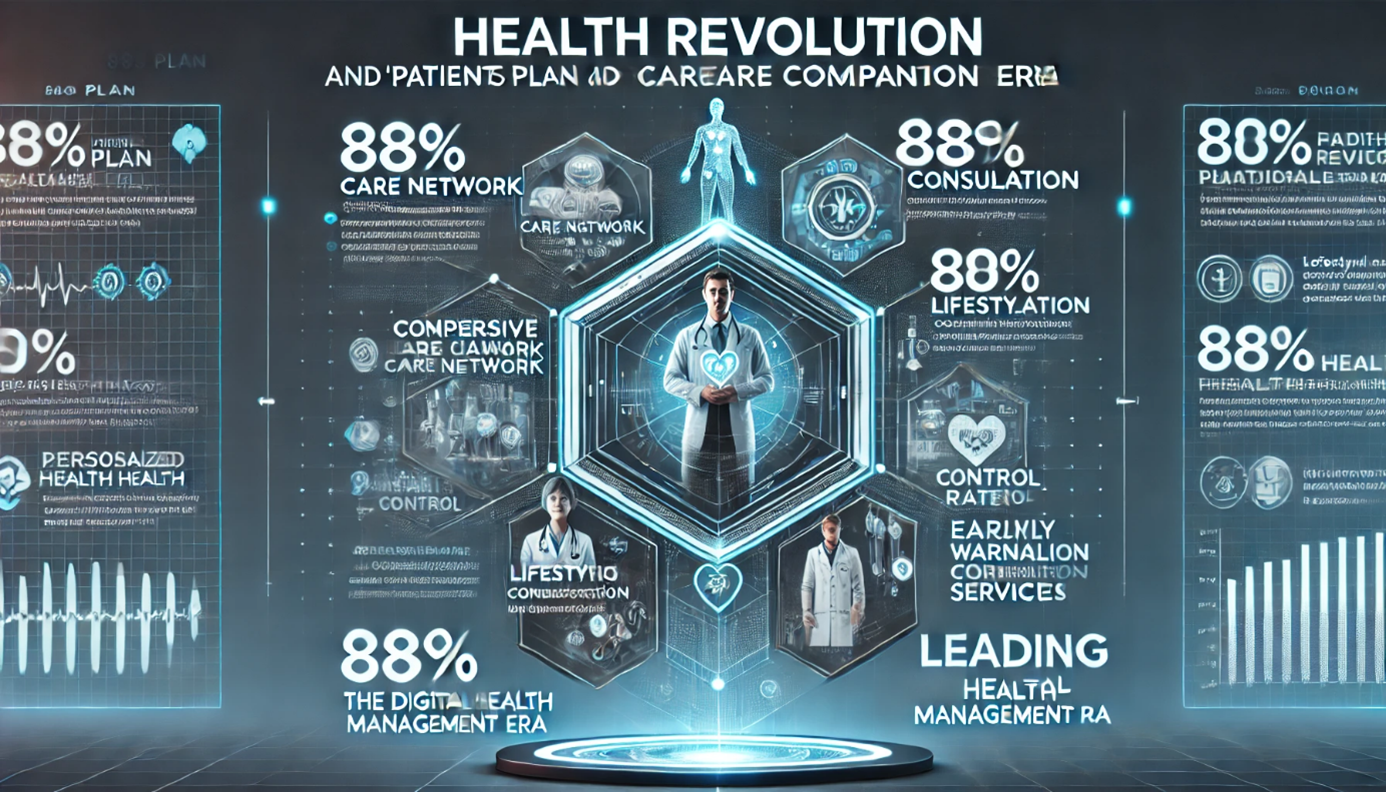
A health revolution: Care Companion joins the '888 Program' to usher in a new era of chronic disease care
As modern society develops at speed, unhealthy lifestyles have become a major trigger of chronic disease. To meet this challenge, President Lai Ching-te unveiled the '888 Program' at the Healthy Taiwan Forum. The program aims, within eight years, to bring 80% of patients with the 'three highs' (hypertension, high blood sugar, and high blood lipids) into the care network, have 80% of them receive lifestyle counseling, and ultimately achieve an 80% control rate. Emphasizing prevention and lifestyle change as much as treatment, the program seeks to reduce the incidence and severity of chronic disease.

From patient assistance to clinical insight: applications and challenges of real-world data in drug development and patient care
In today's healthcare environment, Patient Assistance Programs (PAP) play a critical role: they not only help patients access expensive medicines but also provide valuable Real World Data (RWD) for clinical practice and drug development. This data complements traditional clinical trial evidence, enabling treatments to become more personalized and precise.

Media-WIND Health Strategies earns the 2024 EcoVadis sustainability badge
PatientsForce Media-WIND Health Strategies has successfully completed the EcoVadis 2024 assessment and earned an EcoVadis badge, ranking in the top 26% worldwide among other professional, scientific, and technical industries, with an overall ranking of 55th on the EcoVadis supplier disclosure platform. The assessment covers multiple corporate social responsibility dimensions—environment, labor and human rights, business ethics, and sustainable procurement—with particularly strong performance in business ethics and labor and human rights, earning the company its first EcoVadis Committed badge. EcoVadis is an independent assessment platform for supply chain transparency built on the ISO 26000 corporate social responsibility standard, widely recognized by the world's leading multinational companies.

How to promote patient support programs in Taiwan's hospitals to help patients
Taiwan's National Health Insurance system provides extensive medical coverage, but as medical costs rise, some patients still face financial difficulty with self-paid drug treatment. Promoting a Patient Assistance Program (PAP) can further ease these patients' financial pressure and improve access to new medical treatments. But hospitals' understanding of and assistance with patient support programs are crucial for patients. From clinical treatment to simplifying the program application and enrollment process and proactively providing patient support information, only then can better medical and financial-assistance outcomes be achieved.

The US OIG's latest compliance guidance on manufacturer-funded patient assistance foundations
The Office of Inspector General (OIG) of the US Department of Health and Human Services recently issued an advisory opinion favorable to the operation of 12 disease-specific foundations funded by pharmaceutical manufacturers. These foundations help patients cover steep drug copays. The OIG's new position reflects a recognition of how important Patient Assistance Programs (PAP) are in easing the burden of rising drug costs.
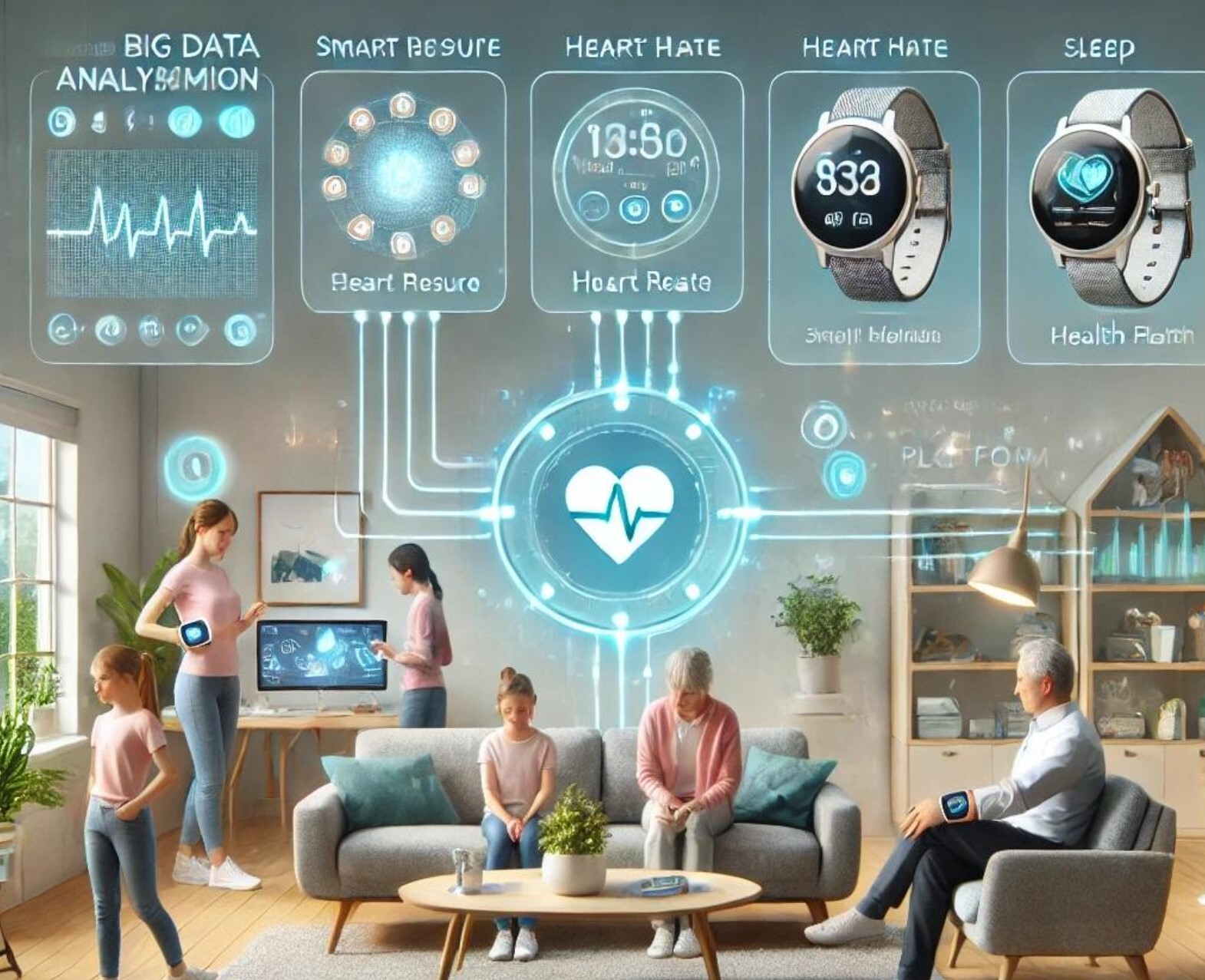
PatientsForce Care Companion supports the Family Doctor Program, building all-around health protection
Facing the challenges of a super-aged society and a shortage of medical personnel, the traditional single-visit outpatient-based care model is unsustainable. As technology advances, continuous health management has become an important issue in modern healthcare. To improve the health of the whole population, the government has launched the Family Doctor Program, which emphasizes prevention first and advocates a personalized, continuous health-management model, aiming to reduce the occurrence and worsening of chronic disease, with a particular focus on chronic conditions such as cardiovascular disease, diabetes, and hypertension.

Effective financial counseling and resource referral improve patients' access to medicine and adherence
In today's healthcare environment, the financial pressure of treatment is often one of the key factors affecting patients' treatment adherence and medical outcomes.

Patient financial communication: a critical issue facing physicians
In today's complex healthcare environment, effective communication about patients' out-of-pocket costs has become a critical challenge for physicians. As healthcare costs continue to rise and payment models evolve, physicians increasingly need to hold financial discussions with patients. Yet many physicians find themselves unequipped to handle these sensitive conversations, leading to potential misunderstandings, patient dissatisfaction, and even compromised quality of care.

What Patient Support Program big data reveals about changing drug-purchasing behavior
There are currently more than 100 Patient Support Programs for specialty medicines on the Taiwan market, offered by licensed pharmaceutical companies to healthcare institutions and patients. By using these programs as intended, patients are helped to stay on treatment. The most common type of patient support program on the market today pairs self-paid drug purchases with drug donations: patients enroll in a drug donation support program (hereafter, donation scheme) to ease their financial burden.

Adopting a proactive patient financial assistance program to mitigate financial toxicity for cancer patients
A proactive patient financial assistance program can help mitigate the financial distress of cancer patients, especially those living in counties with high and moderately high Social Vulnerability Index scores. Expertise from a third-party partner can reduce patients' financial toxicity in the short term and help advance more equitable cancer treatment outcomes.
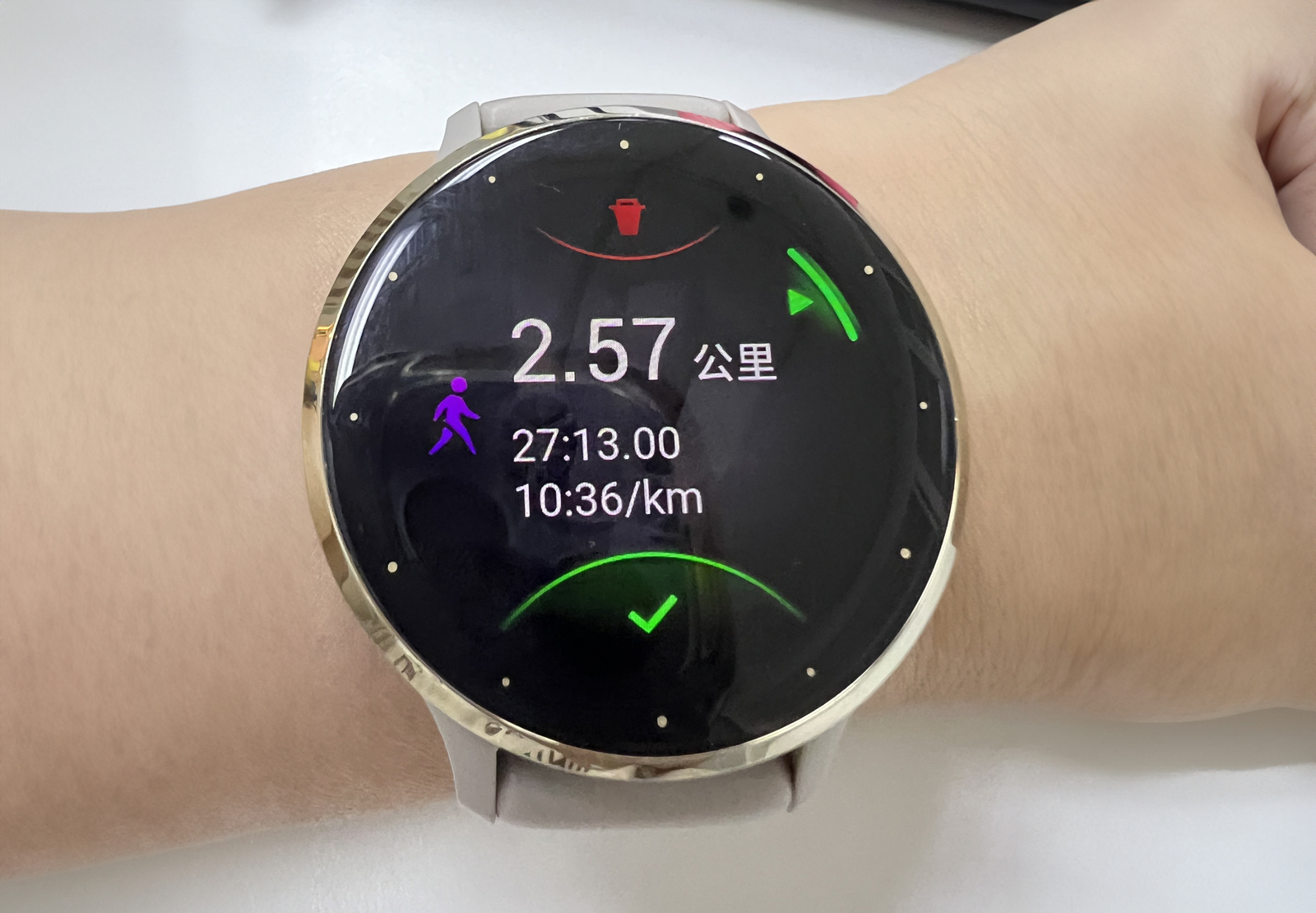
Smart health with Care Companion: a day-in-the-life guide to Garmin health data
As technology advances, health management is no longer the exclusive domain of medical professionals — it has become part of everyday life that anyone can master. With precise health data and powerful features, Garmin smartwatches have become a trusted partner for monitoring personal health. Join us for a walk through a typical day to learn how to read and apply the health data Garmin provides to protect your health.

Breaking the mold of medical PR: when art meets medicine, creative sparks fly — a case study
Raising disease awareness through art exhibitions has become an important trend in modern health education. With its unique visual and emotional language, art can touch hearts in ways that words and cold data cannot. Art exhibitions not only draw broad audiences but also spark public interest in and empathy for disease, driving greater social attention and resources. The "Beyond the Diagnosis" art exhibition exemplifies this trend: it opened a window onto the world of rare diseases, advancing education and accelerating how quickly the medical community diagnoses a once nearly invisible population.

Pharmacist-integrated Patient Assistance Programs (PAPs)
A new study presented at the American Society of Clinical Oncology (ASCO) annual meeting shows that patient assistance programs integrating pharmacist teams dramatically improve uninsured and underserved cancer patients' chances of obtaining manufacturer-funded drug assistance.
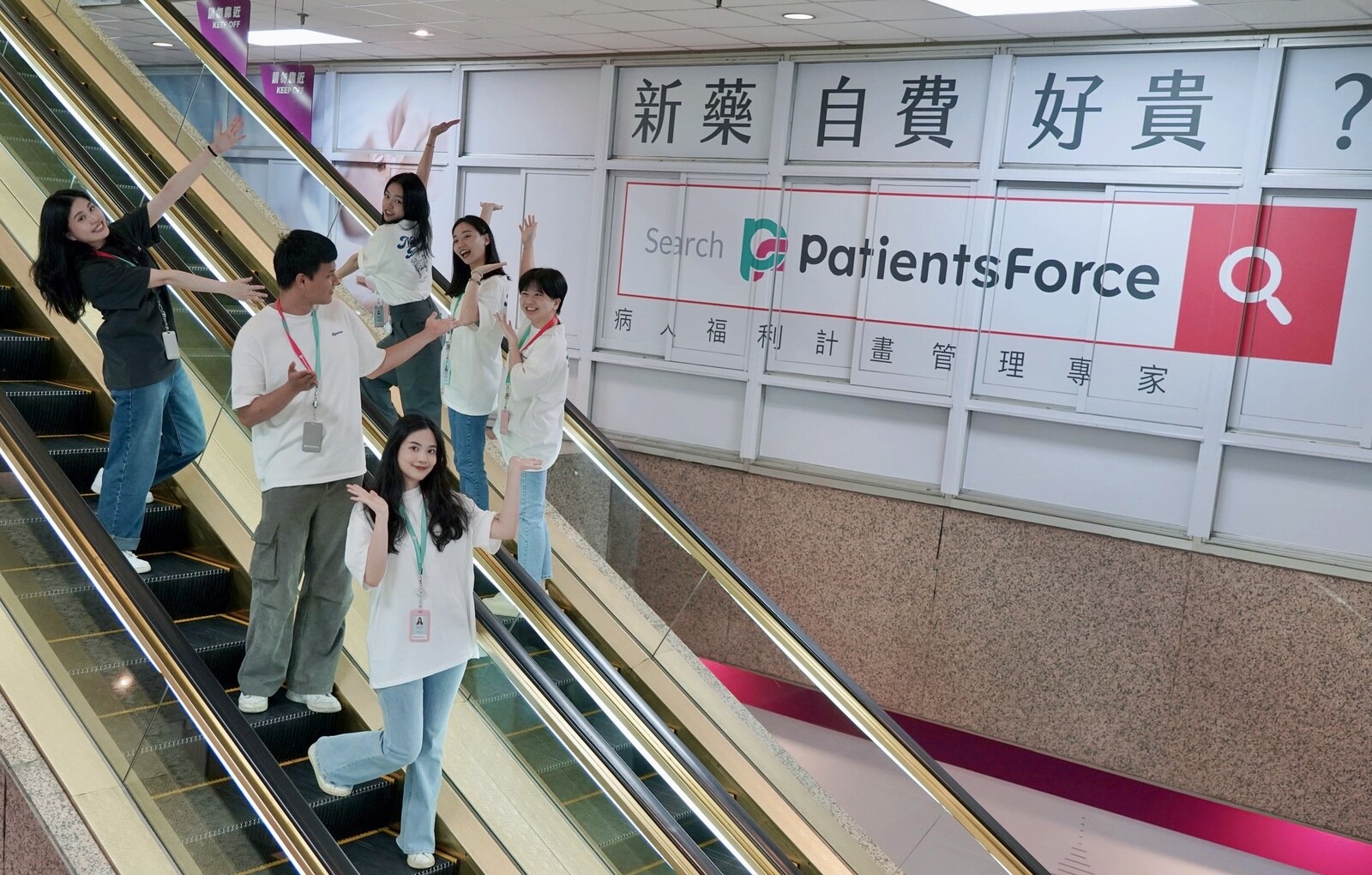
PatientsForce's new public campaign — see it at the exhibition hall
PatientsForce, part of Media-WIND Health Group (MWHG), has launched an outdoor campaign for its Patient Support Program to raise awareness of patient support and benefit management. Facing gaps in coverage for new medicines, PatientsForce offers a socially innovative solution — a campaign that underscores the company's commitment to ensuring patients can access the medicines they need and to expanding what patient benefits can be.

Technology-enabled care: innovation and applications in patient assistance programs
In today's fast-evolving healthcare industry, patient service programs are steadily transforming, driven by cutting-edge technology. From improving patient adherence and drug affordability to enhancing patient access and advocating for patient rights, technology is reshaping traditional healthcare models to make them more personalized and efficient.
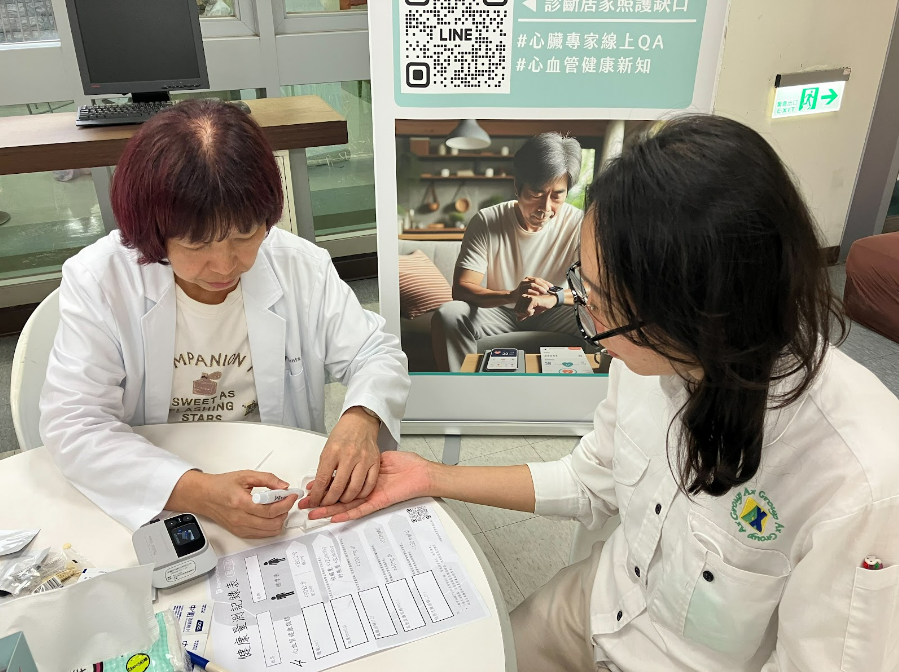
Investing in employee well-being in the ESG era: PatientsForce's innovative employee support program
Are employees losing focus at work because they worry about the health of aging parents at home? Helping younger employees cope with family caregiving needs is an increasingly popular corporate benefit — and a key indicator of a company's duty of care to employees under ESG (environmental, social, and governance) sustainability.

Study finds patient assistance program data advances drug safety
In today's era of exploding healthcare data, adverse event (AE) reporting both challenges drug safety assessment and drives its progress. According to the latest research by Jeremy Jokinen's team, data sources such as patient support/assistance programs (PSPs/PAPs), market research programs (MRPs), and social media hold significant value for collecting and analyzing drug safety data. The study found that the drug safety data provided by PSPs is more valuable and usable than that from other sources.
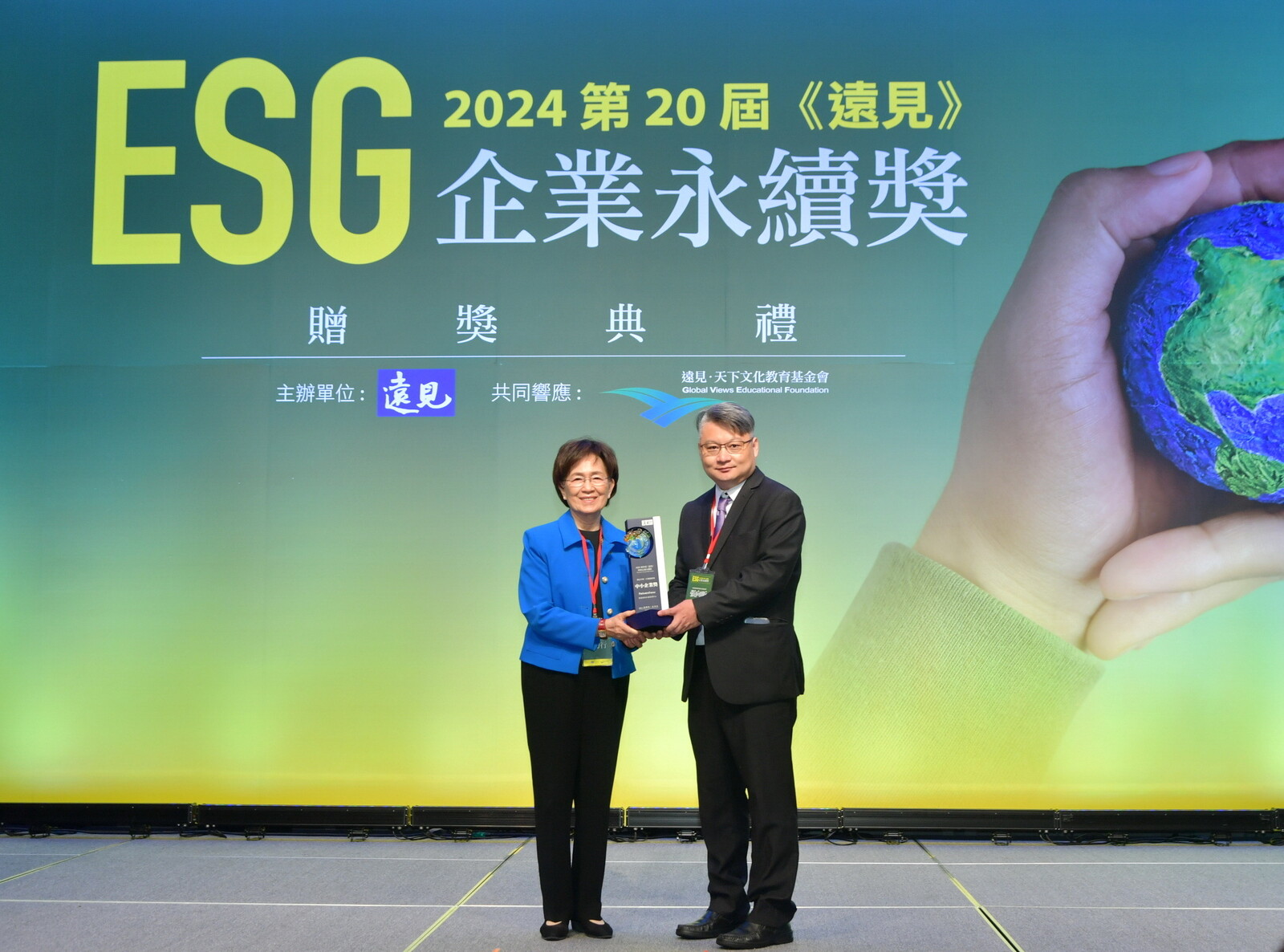
Patient support services: PatientsForce wins a Global Views ESG Corporate Sustainability Social Innovation Award
Media-WIND Health Strategies's PatientsForce Patient Support Program digital management platform service was today awarded the SME prize in the Social Innovation category of the 20th Global Views ESG Corporate Sustainability Awards, recognizing the company's impact and value in social innovation. The PatientsForce Patient Support Program mainly provides support schemes for out-of-pocket new drugs, easing patients' financial burden and delivering patient-centered accompanying care. Through its digital management platform for case management, it serves tens of thousands of cancer patients and patients on special medications each year.

The Tech Heart-Care Movement: use technology to boost health and achieve better work performance!
According to the 2023 Asia Mental Health Index report, 82% of employees in Asia have a moderate-to-high mental health risk. This not only affects individual quality of life but may also lead to a decline in workplace productivity. In fact, mental health problems such as depression, anxiety, and stress not only threaten our mental state but are also significantly associated with the risk of cardiovascular disease.

How cancer patients in Taiwan can find Patient Support Program and clinical trial information
As cancer patients in Taiwan battle their disease, they often shoulder a heavy financial burden as well. For them, knowing where to find information on patient medication support programs, clinical trials, and other drug donation resources is critical. These programs span everything from marketed drugs to clinical trials, offering patients a wide range of support.

PatientsForce MediBiz stands with corporate occupational nurses to protect employee health
Corporate occupational health typically requires actively holding health-education talks. This is not only closely tied to a company's ESG responsibilities; caring for employees' physical and mental health is also a strategy for optimizing corporate governance.

JAK cream gears up to enter the hidradenitis suppurativa battlefield
Incyte's JAK inhibitor cream Opzelura has posted solid results in moderate-to-severe hidradenitis suppurativa (HS).

New study: one in ten new prescription or rare disease drugs has a manufacturer-sponsored patient support program
A new study published in the Canadian Medical Association Journal (CMAJ) analyzed manufacturer-provided patient support programs (PSPs) in Canada and found that PSPs are steadily increasing. These programs are designed to help patients cope with expensive out-of-pocket drugs, and are most common for biologics and rare disease treatments. The study found that about 10% of prescription drugs on the Canadian market offer PSPs, mainly for high-cost drugs retailing at CAD 10 to 100 per unit (NT$220–2,200). PSPs are most often attached to expensive drugs — high-cost drugs are about eight times more likely to offer PSP services than cheaper ones.

A new career choice for nurses: patient relationship management
Clinical nurses today face many challenges, one of the main ones being increased work stress and workload. As the population ages and the disease burden grows, healthcare institutions must cope with ever-increasing demands, with medical administrative work sometimes exceeding clinical work.

In-licensing and the dream of striking it rich with Chinese startups
Founded in 2020 by U.S. investment firm Perceptive Advisors, startup LianBio built its business on in-licensing investigational drugs from the U.S. and Europe for development and commercialization in China. As the company put it in its IPO filing, "Our vision is to be the gateway to China for Western biopharmaceutical companies."
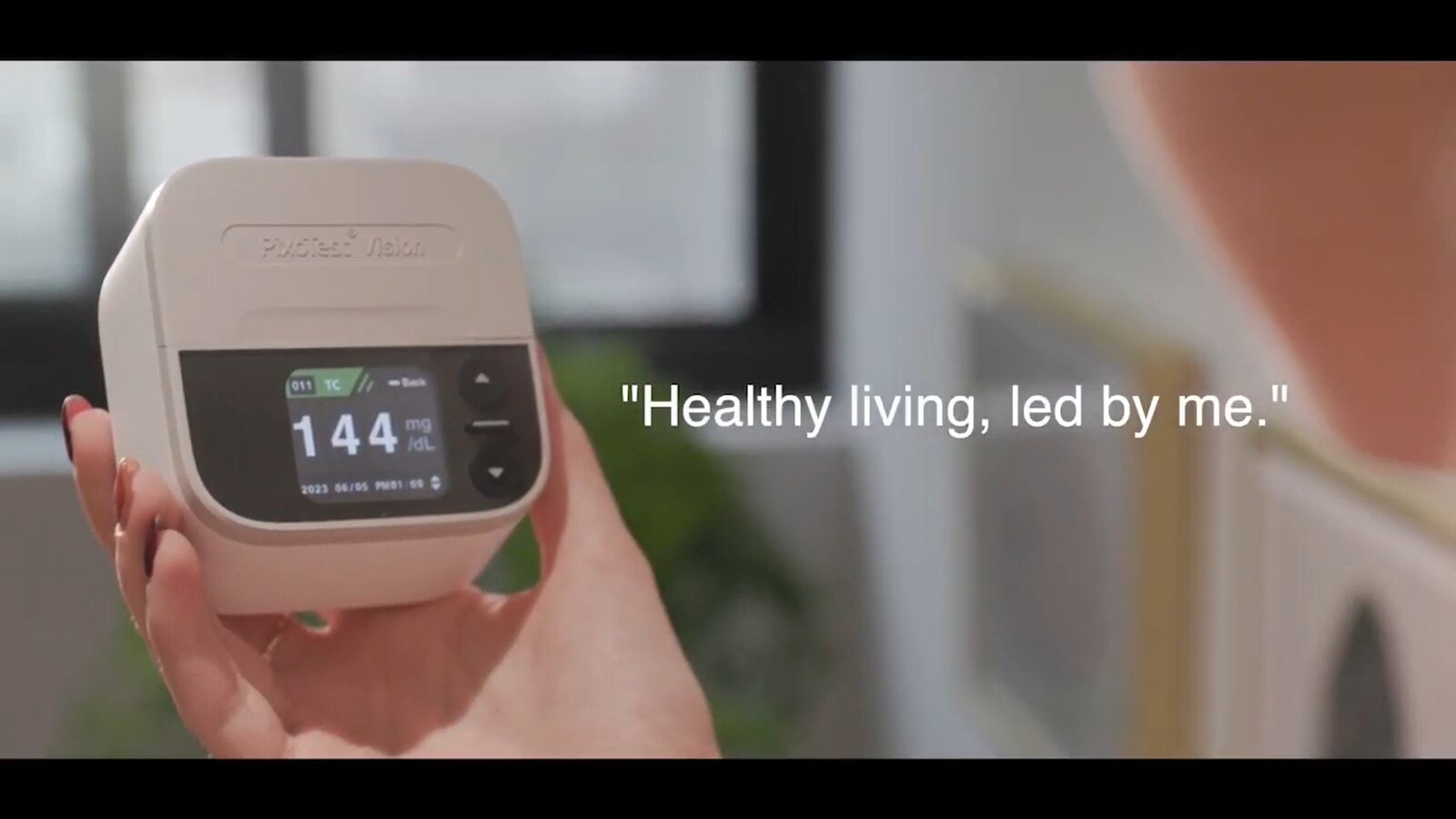
Employee health support program: continuous health management with Care Companion
Amid busy work schedules, ongoing employee health management is often overlooked, yet healthy employees are a company's most valuable asset. Recently, CareCompanion LTC held an innovative corporate measurement station event at Taipei World Trade Center Exhibition Hall 1, demonstrating its attention to and commitment to employee health.

[Clinic aesthetics] Medical artist EMMA CHENG blends medicine and health into healthcare workers' everyday life — stethoscope name charms
[ EMMA CHENG ] Make your stethoscope one of a kind and start every shift in a good mood ❤ Human-organ stethoscope charm clips pair fine craftsmanship with original hand-drawn detail and solid color blocks — a unique design you won't find anywhere else. Decorative, yet never in the way of auscultation ❤
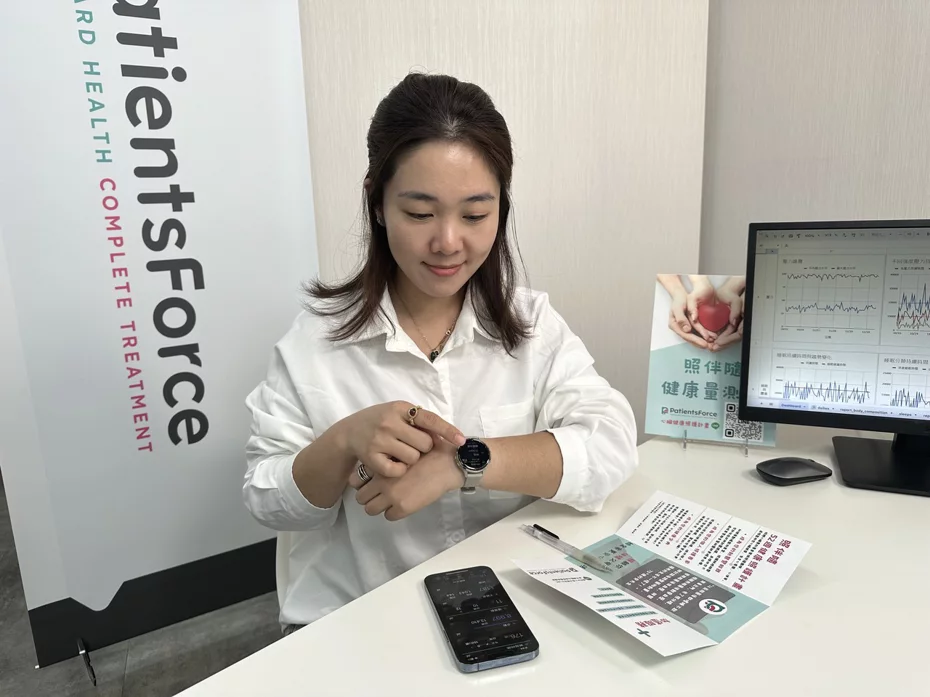
PatientsForce Care Companion: post-surgery readmission rates linked to daily step count
Research published in international journals in recent years confirms that a reduction in a patient's walking volume after surgery is positively correlated with the readmission rate. The study collected 215 patients with an average age of 63 and, through post-discharge monitoring with mobile devices, could accurately predict that if a post-surgery patient's daily walking volume (step count) dropped by more than half on two consecutive days after discharge, the likelihood of readmission was high. The accuracy of this prediction method was about 90%, showing the importance of monitoring patients' daily activity levels for post-discharge care.

2024: Media-WIND Health Strategies and MediCloud Biotech complete ISO 9001/27001/27701 certification
Media-WIND Health Strategies and MediCloud Biotech pass ISO 27001:2022 certification

Patient testing support and risk management programs
The value of Patient Support Programs (PSPs) lies in patient-centered services that strengthen every stage of the treatment journey. PatientsForce is dedicated to solving the problems and pain points patients may face along that journey, helping them transition smoothly through their course of treatment.

The main barriers to expanding patient support services in Taiwan
Patient support program (PSP) plays an important role in helping patients access the treatment they need, improving medication adherence, and optimizing disease management. However, whether in Taiwan or the United States, the rollout and utilization of these programs often falls short of expectations and continues to face multiple barriers.
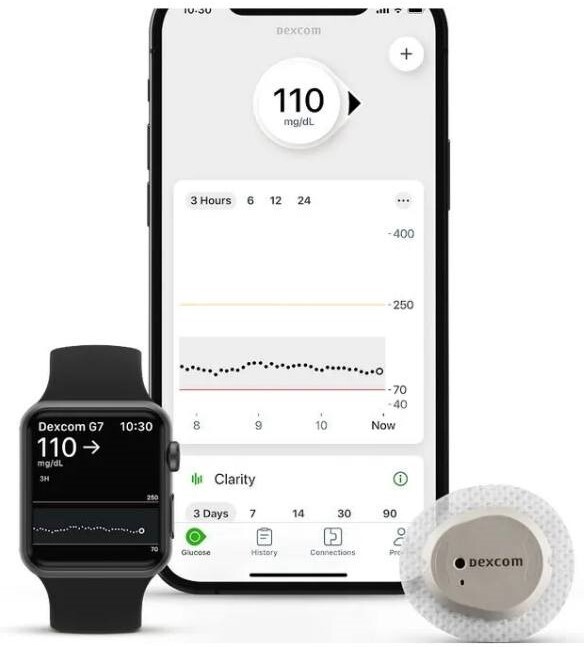
FDA clears the first OTC continuous glucose monitoring system
The FDA has cleared Dexcom's Stelo, a continuous glucose monitoring system (iCGM) that can be purchased without a prescription. It is cleared for adults 18 and older who do not use insulin, and healthy individuals who want to understand their own glucose patterns can use it too.

How can pharma maximize sales force effectiveness in the post-pandemic era?
Back in 2000, Courtney Ness was one of 3,000 sales reps at Forest Laboratories detailing the antidepressant Lexapro.

Applying AI to specialized patient support programs
The PATIENTSFORCE artificial intelligence R&D team has recently developed a range of services, with a sharpened focus on the three main goals of patient support programs

US oncologists still not satisfied — they want more weapons against NSCLC
US oncologists still not satisfied — they want more weapons against NSCLC
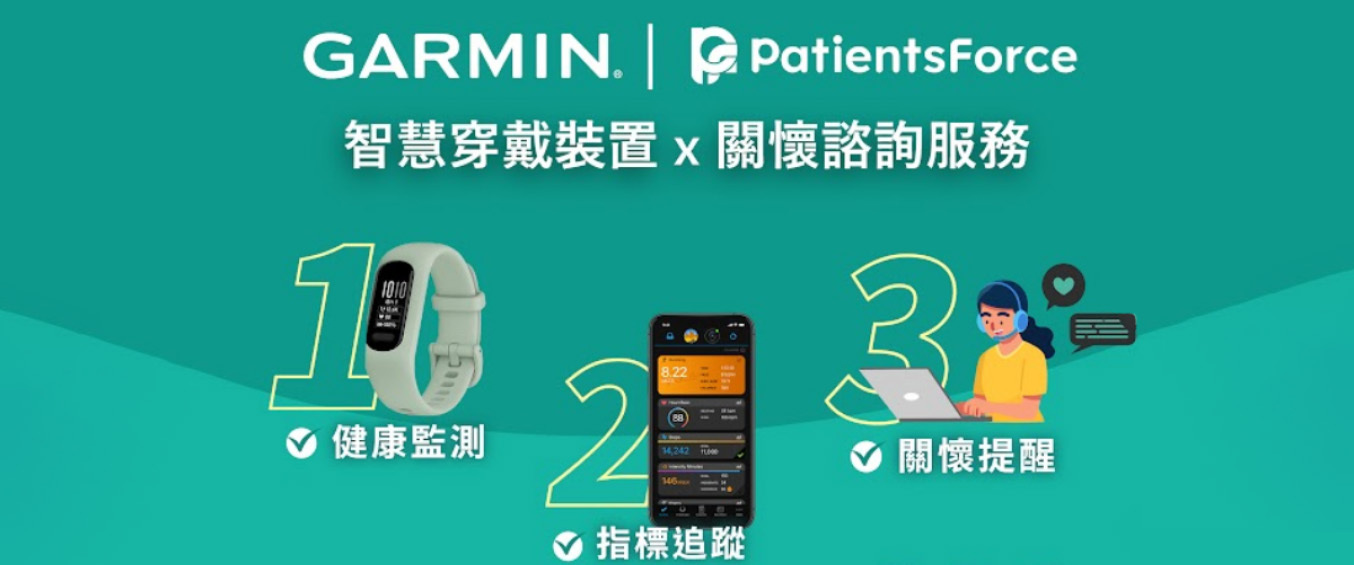
The digital care revolution: how PatientsForce Care Companion is reshaping the hub model of continuous care for cardiovascular patients
In the recovery of cardiovascular patients, continuous care and monitoring have been proven to reduce the likelihood of hospital readmission

ESG in practice in the pharmaceutical industry — a patient-centered perspective
In today's pharmaceutical industry, companies demonstrate corporate responsibility and sustainability through environmental, social, and governance (ESG) practices. A pharmaceutical company's Patient Support Program (PSP) is an important avenue for putting ESG values into practice—reflecting the company's concern for patient well-being while demonstrating its commitment to social responsibility.

Improving medication adherence: Unlocking the key strategies for managing long-term medication patients
In healthcare, medication adherence cannot be overlooked — it matters most for chronic disease patients who require long-term specialty medication. Taking medication correctly not only controls disease progression effectively and reduces complications, but also significantly lowers healthcare costs and improves patients' quality of life.

2023 new drug approvals in review: which rising star holds the most lucrative promise?
New drug approvals surge, and gene therapy comes into its own...

Applying AI in patient support services
Amid the rapid advance of medical technology, the MediCloud Biotech team has grown into a cutting-edge artificial intelligence research lab, dedicated to applying the power of AI to patient support services and to transforming the face of healthcare. Our goal is not only to provide patients with efficient health-management solutions, but also to break through the boundaries of traditional medical services through these technological innovations, so that every patient can enjoy more personalized, timely, and comprehensive support.
Closing the cancer treatment gap: PatientsForce works to improve access to new medicines
This year the US Congress passed a special resolution designating February 4 as World Cancer Day, to underscore the importance of taking meaningful action to raise awareness of inequities in cancer treatment and to support efforts to close the treatment gap.

2023 pharma M&A trends: a year in review
The pharma M&A market rebounded after the pandemic, with deal value surging past USD 200 billion. Large transactions were led by pharma giants, and the market tilted toward buyers.

Already had COVID — do you still need the vaccine?
Already had COVID — do you still need the vaccine?

Biopharma PSP development report: key takeaways point to future trends
The biopharmaceutical industry is in transformation, especially in the area of Patient Support Programs (PSP). Based on a survey of 150 biopharma executives and advisors conducted by CardinoHealth in partnership with BioPharma Dive, three key conclusions emerge that highlight how rapidly PSPs are developing across the pharmaceutical industry today.

Pharma's great transformation: how PSPs are changing the game
The US pharmaceutical industry is undergoing an unprecedented transformation — from a producer of therapeutic drugs to a trusted advisor to patients. At the heart of this transformation is the Patient Support Program (PSP), and how it has reshaped pharmaceutical services worldwide is the focus of this article.

The gene-editing era arrives: the UK and US approve treatments for blood disorders, yet a dual challenge remains
The gene-editing era arrives: the UK and US approve treatments for blood disorders, yet a dual challenge remains

PSP: closing the gap in post-discharge patient care
PSP: closing the gap in post-discharge patient care

Patients not following orders? How Patient Support Programs improve medication adherence
Patients not following orders? How Patient Support Programs improve medication adherence

Jaypirca breaks new ground in leukemia as confirmatory trial delivers strong results
Jaypirca breaks new ground in leukemia as confirmatory trial delivers strong results

How can NGOs win public attention through creative thinking? "The Last Photo" through a medical PR lens: a marketing strategy that confronts the depths of the mind
How can NGOs win public attention through creative thinking? "The Last Photo" through a medical PR lens: a marketing strategy that confronts the depths of the mind

PSPs patient journey management system makes the treatment path smoother
PSPs patient journey management system makes the treatment path smoother

Innovative services from specialty pharmacies and patient support programs
Innovative services from specialty pharmacies and patient support programs

Setting the standard for a friendly workplace: putting DEI into real practice
Setting the standard for a friendly workplace: putting DEI into real practice

Japan's new drug approvals always a step behind? A fix may be coming
Japan's new drug approvals always a step behind? A fix may be coming

2023 PatientsForce Patient Assistance Services Report
2023 PatientsForce Patient Assistance Services Report

Does expert opinion matter? A JAMA study reveals the role advisory committees play in FDA decisions
Does expert opinion matter? A JAMA study reveals the role advisory committees play in FDA decisions

In 2024 are we still working hard to understand what doctors are thinking?
In 2024 are we still working hard to understand what doctors are thinking?

PAP: a pioneer in patient care that fills the gaps in national health insurance
PAP: a pioneer in patient care that fills the gaps in national health insurance

Demystifying financial toxicity: the COST scale
Demystifying financial toxicity: the COST scale

Boosting corporate image and market competitiveness: ranking pharma companies on social media
Boosting corporate image and market competitiveness: ranking pharma companies on social media
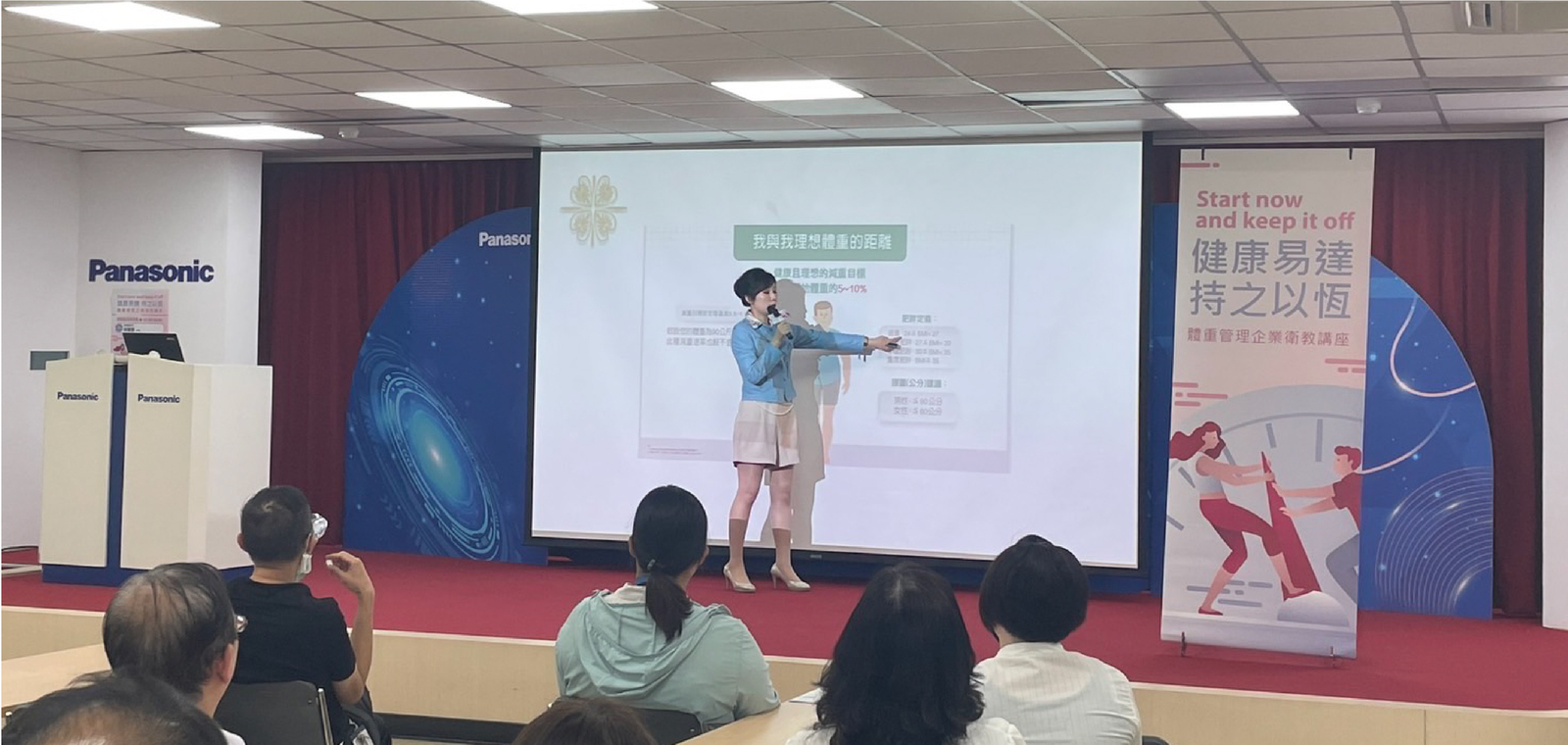
Breaking with tradition: MediBiz co-creates a new era of corporate health
Breaking with tradition: MediBiz co-creates a new era of corporate health

Real stories: Drug Installment eases the financial strain of early-stage lung cancer treatment
Real stories: Drug Installment eases the financial strain of early-stage lung cancer treatment
A new healthcare model that faces patients directly
A new healthcare model that faces patients directly

Arriving on the battlefield: Eli Lilly's Zepbound challenges Novo Nordisk
Arriving on the battlefield: Eli Lilly's Zepbound challenges Novo Nordisk
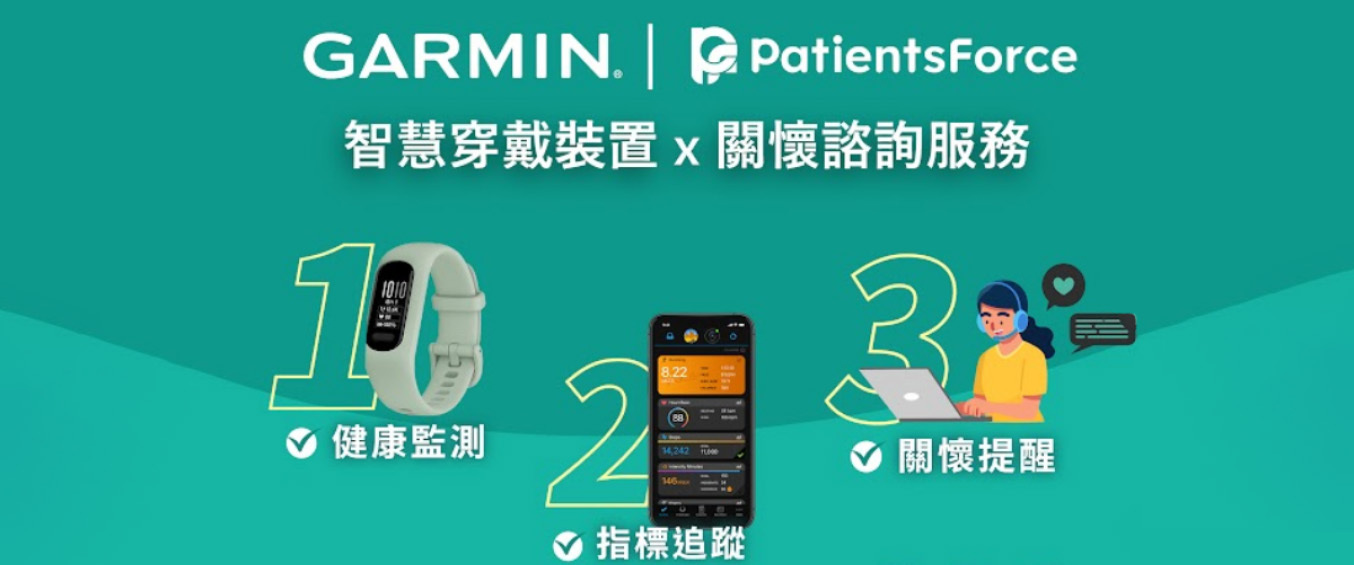
Wearable tech x companion care: all-round protection for patient health
Wearable tech x companion care: all-round protection for patient health

Telecare and PSPs: the innovation model evolves again
Telecare and PSPs: the innovation model evolves again
The battle for diabetes and weight-loss drugs: Eli Lilly vs. Novo Nordisk — who will reign?
The battle for diabetes and weight-loss drugs: Eli Lilly vs. Novo Nordisk — who will reign?
Novo Nordisk's fantastic voyage to the European pharma throne
Novo Nordisk's fantastic voyage to the European pharma throne

Study shows healthcare professionals feel powerless against cancer patients' financial toxicity
Study shows healthcare professionals feel powerless against cancer patients' financial toxicity

The next five years: outlook and targets for global pharma
The next five years: outlook and targets for global pharma

Ongoing financial toxicity screening can ease patients' financial burden
Ongoing financial toxicity screening can ease patients' financial burden

Strategies to avoid or delay the financial toxicity of self-paid medication
Strategies to avoid or delay the financial toxicity of self-paid medication

Where should digital transformation go next? Pharma companies are slowing down
Where should digital transformation go next? Pharma companies are slowing down

JAMA study: the US FDA is loosening its new drug review standards
JAMA study: the US FDA is loosening its new drug review standards

Bringing AI into professional drug safety monitoring and Patient Support Programs (PSPs)
Bringing AI into professional drug safety monitoring and Patient Support Programs (PSPs)

Continuous drug safety monitoring: PSPs and compliance management systems
Continuous drug safety monitoring: PSPs and compliance management systems

Pharma LINE official channel: a brand-new intelligent interactive communication platform
Pharma LINE official channel: a brand-new intelligent interactive communication platform

Patient Support Programs: how pharma is meeting the new challenges of patient treatment
Patient Support Programs: how pharma is meeting the new challenges of patient treatment

Breaking the access barrier to weight-loss drugs: NICE turns to digital platform services as the solution
Breaking the access barrier to weight-loss drugs: the UK's National Institute for Health and Care Excellence (NICE) turns to digital platform services as the solution

A lack of cancer drug information: patients need clearer treatment pros and cons
A lack of cancer drug information: patients need clearer treatment pros and cons

Professional digital marketing management: the key to avoiding physician digital fatigue
Professional digital marketing management: the key to avoiding physician digital fatigue

New drug launches: strategies and tools for building physician trust
New drug launches: strategies and tools for building physician trust

When cancer improves, does a financial crisis take its place?
When cancer improves, does a financial crisis take its place?

Health insurance: a safety net stretched thin? When people struggle between medical care and financial pressure
Health insurance: a safety net stretched thin? When people struggle between medical care and financial pressure

Financial toxicity and its hidden impact on cancer patients: here is what actually helps ease the burden
Financial toxicity and its hidden impact on cancer patients: here is what actually helps ease the burden

The power of reputation: how a pharma company's image shapes physicians' prescribing decisions
The power of reputation: how a pharma company's image shapes physicians' prescribing decisions

ChatGPT: a new milestone in medical AI, driving the next evolution of healthcare
ChatGPT: a new milestone in medical AI, driving the next evolution of healthcare

Can't afford cancer treatment? Busting three myths — medical bills can be deferred
Can't afford cancer treatment? Busting three myths — medical bills can be deferred
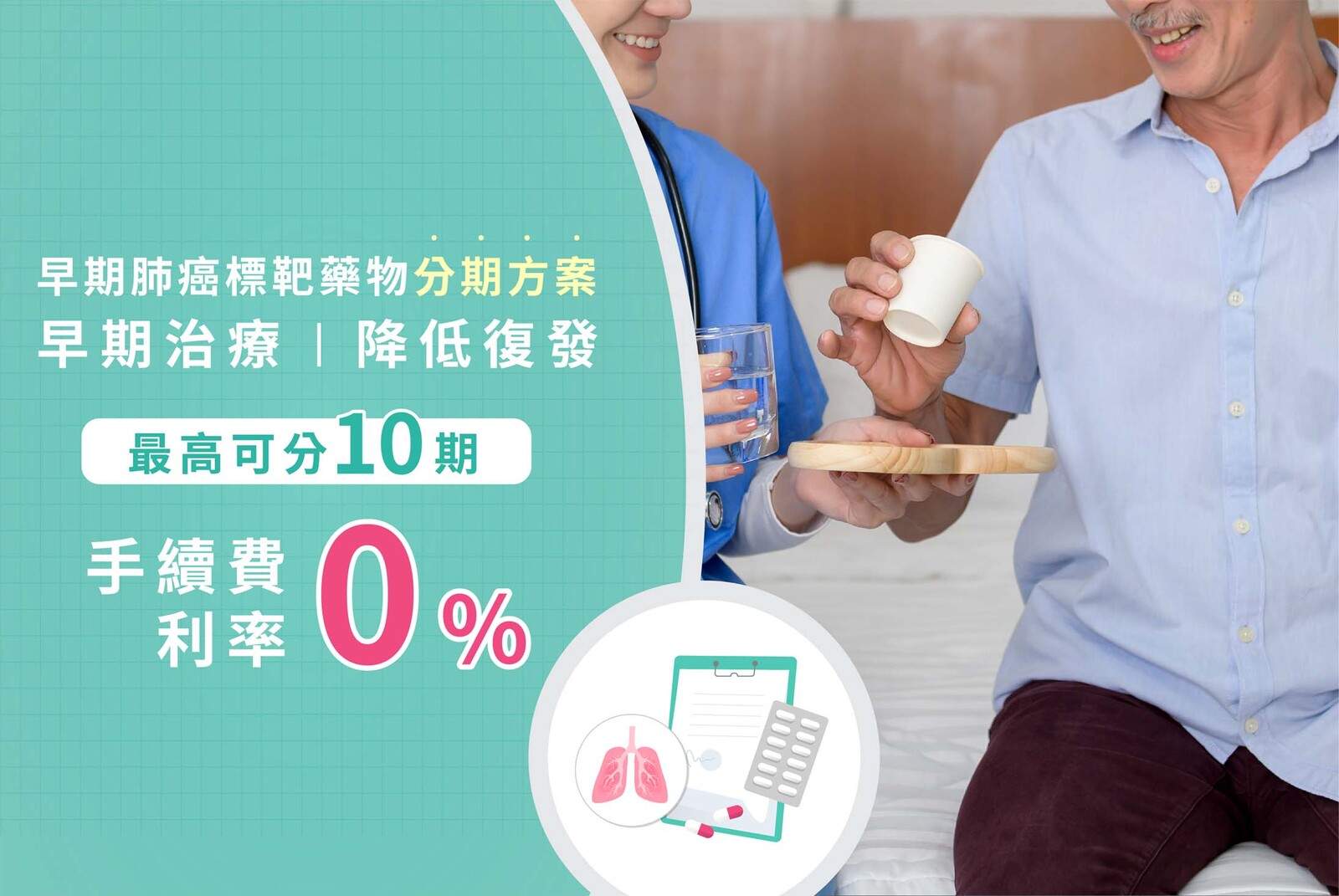
Out of the shadow of self-paid costs and into a new era of care: an innovative installment payment model powers the fight against cancer
Out of the shadow of self-paid costs and into a new era of care: an innovative installment payment model powers the fight against cancer

Looking at patient assistance programs (PAPs) through current drug pricing: don't fall behind! There's more than one way to help with drug costs!
Looking at patient assistance programs (PAPs) through current drug pricing: don't fall behind! There's more than one way to help with drug costs!
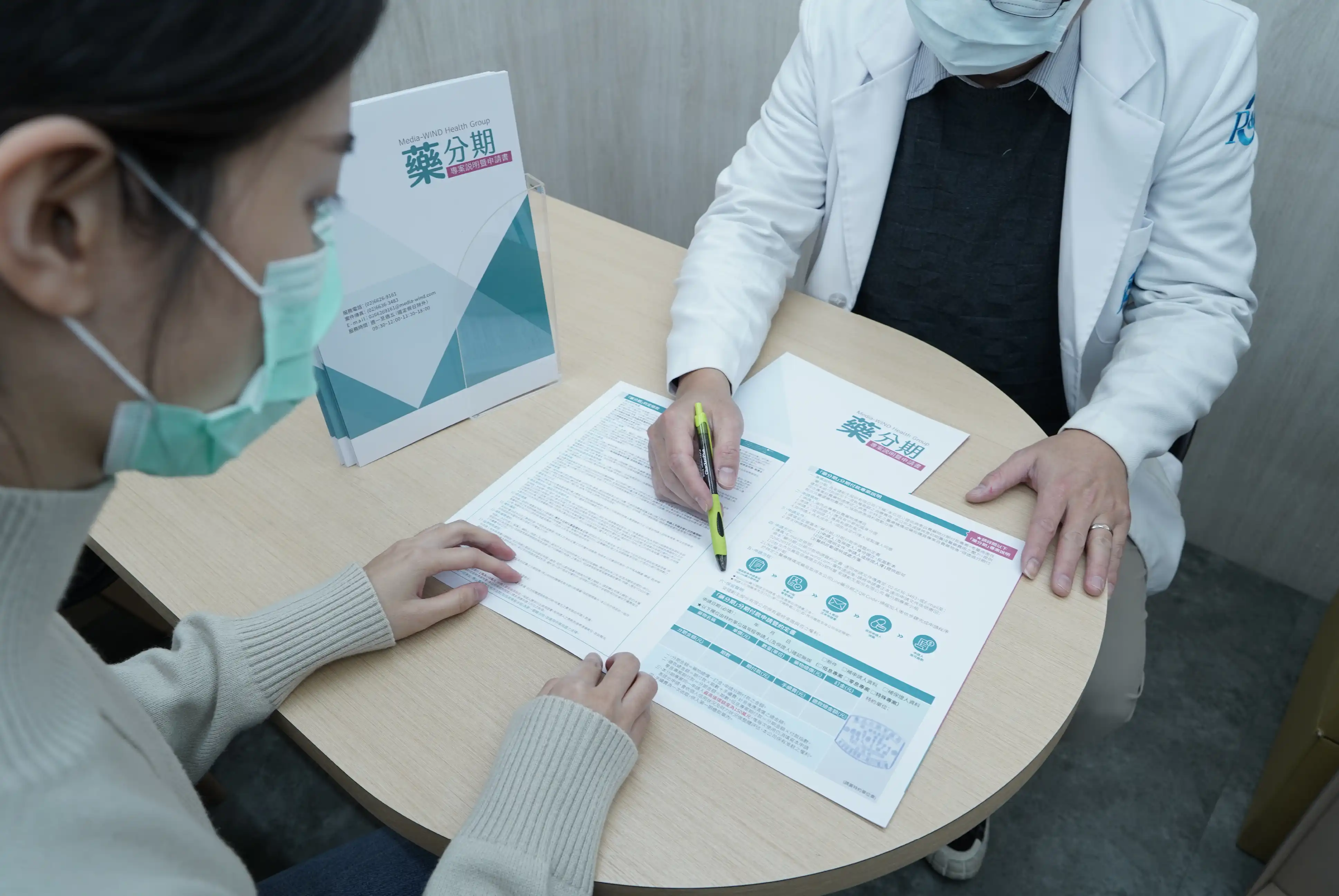
Media-WIND Health Group pioneers Drug Installment to ease drug costs for early-stage cancer
Media-WIND Health Group pioneers Drug Installment to ease drug costs for early-stage cancer

The urgent issue in self-paid cancer treatment: patient burden solutions through the lens of "financial toxicity"
The urgent issue in self-paid cancer treatment: patient burden solutions through the lens of "financial toxicity"

This week's pharma briefing: cancer drug scores a win, Merck targets an EBV vaccine, and an Alzheimer's drug gets priority review
This week's pharma briefing: cancer drug scores a win, Merck targets an EBV vaccine, and an Alzheimer's drug gets priority review

Video meetings become the new normal for engaging physicians, with customization to boost engagement rates as the key
Video meetings become the new normal for engaging physicians, with customization to boost engagement rates as the key

Pharma industry briefing: FDA rejects oral heart failure drug, the race for the RSV market, and new blood for Pfizer's cancer portfolio
Pharma industry briefing: FDA rejects oral heart failure drug, the race for the RSV market, and new blood for Pfizer's cancer portfolio

The secret behind a twofold jump in rep-friendly physicians: the post-pandemic hybrid call strategy you need to know
The secret behind a twofold jump in rep-friendly physicians: the post-pandemic hybrid call strategy you need to know

Media-WIND Health Strategies and MediCloud Biotech complete ISO 9001:2015 quality management recertification
Media-WIND Health Strategies and MediCloud Biotech complete ISO 9001:2015 quality management recertification

Post-pandemic digital marketing falling flat? Experts point to these four numbers
In the past, pharma reps mainly handed out printed materials for customers to review, and marketers rarely had to think about which channels suited each customer. But when the pandemic hit, everything changed: teams had to rethink how to deliver content that is appropriately sized and memorable, through the channels customers actually prefer.