

Looking at patient assistance programs (PAPs) through current drug pricing: don't fall behind! There's more than one way to help with drug costs!
AI-translated from the Chinese original · editorially reviewed
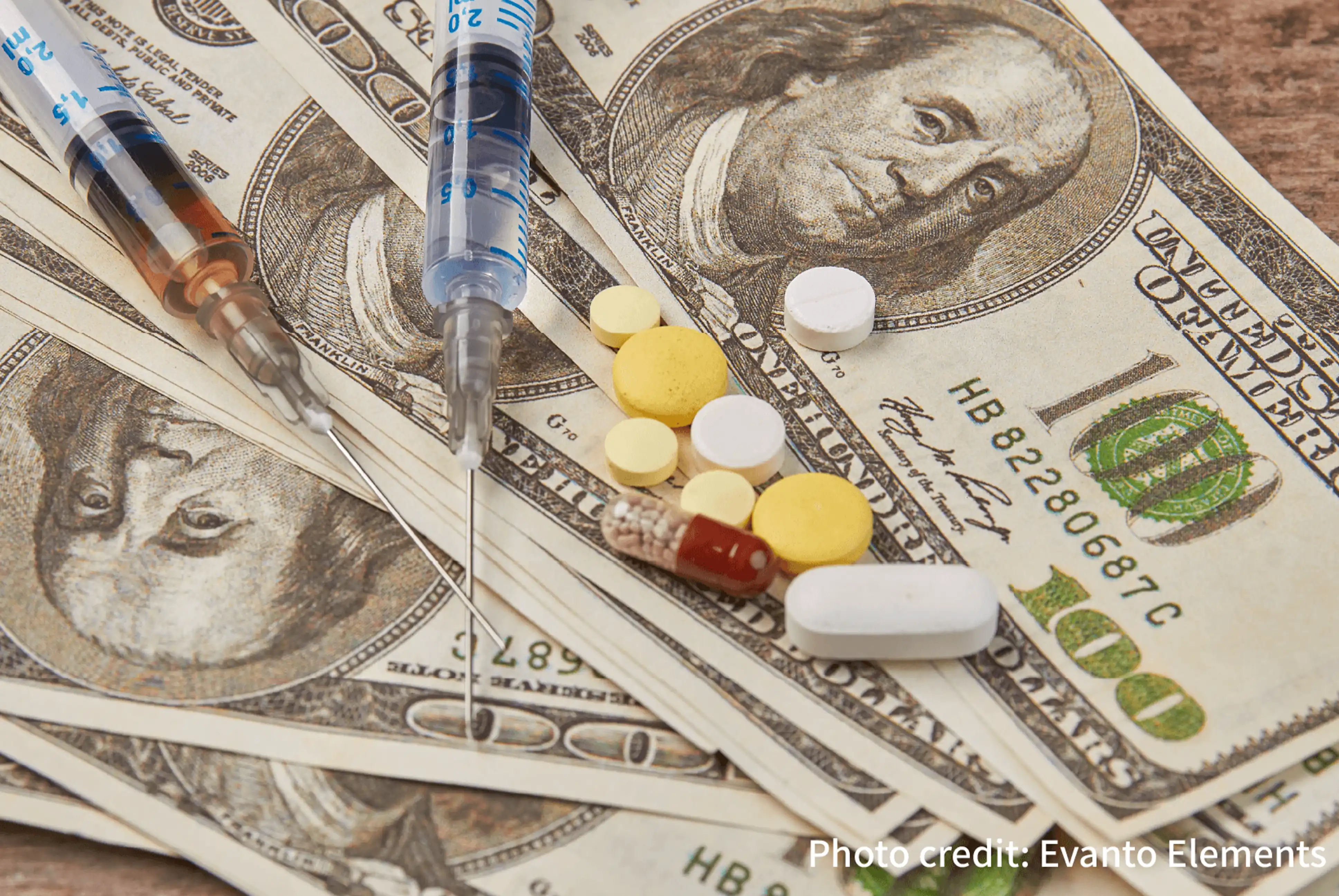
Licensed reprint: Pharmascan
Pharmaceutical companies' pricing strategies are closely tied to the financial toxicity patients face. This is true not only globally; although Taiwan's health insurance system and social resources provide patients with a degree of treatment protection, for Taiwan's large middle-class population the cost of some self-funded drugs has become a key factor in deciding whether to continue using a medication. Yet the drug-price agreements and price-increase strategies between governments and pharmaceutical companies may amplify patients' actual financial toxicity, which makes the patient support programs pharmaceutical companies pair with their drugs all the more critical!
Patient Assistance/Affordable Programs (PAPs) are a common clinical solution for self-funded drugs, through which pharmaceutical companies help patients who need treatment but cannot afford the full cost of self-funded drugs. However, as drug development advances, drug subsidy programs need not have only one solution. Media-WIND Health Group continues to develop diverse, innovative subsidy programs closely aligned with patient needs, designing the most suitable patient support program for each medication type based on an assessment of the financial burden self-funded treatment places on the public. It also offers advanced solutions, including drug donation support programs: pharmacy compliance management systems / repackaged-box inventory management / online rapid review, as well as drug cost assistance programs: treat-first-pay-later / medical loans / interest subsidies... and more, so that PAPs can effectively improve patients' medication difficulties and enhance access to treatment or become the key to patients continuing their medication.
New Year drug price hikes: the government pushes an anti-inflation act, and drugmakers reexamine new-drug prices
According to data from healthcare research firm 3 Axis Advisors, companies such as Pfizer, GlaxoSmithKline, Bristol Myers Squibb, AstraZeneca, and Sanofi announced price increases on more than 350 drugs.
Last August, the Biden administration proposed the Inflation Reduction Act. For the first time, the act gives Medicare the right to directly negotiate the prices of certain prescription drugs, measures that will save the federal government US$173 billion by 2031.
In the United States, not only consumer goods prices but also drug prices rose at the start of the new year. According to data from healthcare research firm 3 Axis Advisors, companies such as Pfizer, GlaxoSmithKline (GSK), Bristol Myers Squibb (BMS), AstraZeneca (AZ), and Sanofi announced that the prices of more than 350 drugs would rise in January 2023, with some drugs increasing by as much as 10%. This, however, is not the first time drugmakers have adjusted prices in the United States.
Drug price increases are the highest in nearly seven years, but below the previous year's inflation
The government proposes an anti-inflation act to counter rising drug prices
The act prompts drugmakers to look more seriously at new-drug prices
To combat inflation, boost investment in domestic energy production and manufacturing, and achieve the goal of reducing carbon emissions by about 40% by 2030, the Biden administration proposed the Inflation Reduction Act (IRA) last August. The act not only extends the subsidy measures of the soon-to-expire Affordable Care Act (ACA) through 2025, but also gives Medicare, for the first time, the right to directly negotiate the prices of certain prescription drugs. Medicare will use measures such as setting inflation caps and lowering out-of-pocket costs to reduce prescription drug spending. These changes will take effect in 2026, and the U.S. government hopes to use these methods to improve the government deficit. The Congressional Budget Office further estimates that these measures will save the federal government US$173 billion by 2031.
During the pandemic, domestic and international labor and material shortages, wage negotiations, and supply chain struggles became the main drivers of rising drugmaker production costs. According to research by the nonprofit 46brooklyn, in 2022 drugmakers raised the prices of more than 1,400 drugs, with a median price increase of 4.9% and an average increase of 6.4%—the largest drug price increase since 2015. However, both figures were still below the previous year's inflation rate (above 7% each month).
Data from Rx Savings indicates that in 2022, about 450 pharmaceutical companies raised the prices of 866 products in January, including an average increase of about 3% on Pfizer's 219 drugs, an average increase of about 6% on Novartis's 17 drugs, as well as a 7% increase on AbbVie's best-selling product Humira and a 5% increase on Eli Lilly's diabetes drug Trulicity.
According to data compiled by the nonprofit Kaiser Family Foundation, the scope of drugs Medicare can negotiate with drugmakers in 2026 will be the 10 highest-spending drugs in Part D (pharmacy drugs), expanding in 2029 to Part B (drugs administered in medical facilities) and increasing to 20 drugs. In addition, drugs with orphan-drug designation are excluded, in order to incentivize drugmakers to continue developing drugs for rare diseases.
Foreign media analysts say Johnson & Johnson (J&J), Merck (known as MSD outside the U.S. and Canada), and Regeneron will be affected to a greater degree. According to 2020 information, J&J's Xarelto had the highest Part D spending, followed by Merck's Januvia and J&J's Imbruvica; the highest Part B spending went to Regeneron's Eylea, Amgen's Prolia, and BMS's Orencia. Notably, Alexion's Soliris ranked fourth and holds orphan-drug designation.
"Drugmakers will look more seriously at the prices of new drugs, launching new drugs at higher prices so they don't trap themselves in a bind where they can't adjust prices to boost profits in the future," said 3 Axis CEO Antonio Ciaccia.
According to survey results presented by U.S. Democratic Representative Katie Porter, the average annual list price of new anticancer drugs launched in the United States in 2021 was US$283,000, a 53% increase over 2017. A recent Reuters report noted that the median price of new drugs in the United States in 2022 was US$257,000.
"The company has always taken a deliberate approach to price adjustments, considering not only R&D investment but also clinical value, patient population size, the ability of patients and insurers to pay, and peer competition before deciding to make such a change," said AstraZeneca spokesperson Brendan McEvoy.
Which well-known drugs have already been raised?
To date, many drug price increases have been announced in January 2023, undoubtedly the month with the largest drugmaker price increases in history. Pfizer is currently the drugmaker announcing the largest price increases, simultaneously raising the prices of 89 unique drugs; among them, Xeljanz, a well-known drug used to treat rheumatoid arthritis and ulcerative colitis, rose 6%, while the breast cancer drug Ibrance and the lung cancer targeted drug Xalkori both rose 7.9%. Close behind was GlaxoSmithKline, which raised the prices of 26 of its drugs, including its well-known shingles vaccine Shingrix by nearly 7%. Bristol Myers Squibb also raised the prices of its CAR-T therapies Abecma and Breyanzi by 9%; used to treat blood cancers, both are already priced at over US$400,000. A spokesperson said the reasons for the price increases include reflecting inflation, the value of the therapies themselves, and the unique need for personalization in the CAR-T manufacturing process.
AstraZeneca is also preparing to raise the prices of the blood cancer drug Calquence, the lung cancer targeted drug Tagrisso, and the severe asthma drug Fasenra by 3%. Sanofi, meanwhile, plans to raise the prices of 14 drugs and vaccines.

On the other hand, despite the different reimbursement environments, in stark contrast to the notable U.S. drug price increases, Taiwan's 2022 National Health Insurance drug price adjustment operation showed that about 6,564 drug items in Taiwan had their prices reduced, with an overall average decrease of 4.1%. In terms of the total budget, the overall total for 2023 was about NT$836.424 billion, a growth rate of 3.323%, with the budget for new medical technologies and expanded drug reimbursement scope increasing by about NT$4.557 billion to introduce new drugs, new special materials, and new diagnostic and treatment items. The dedicated budget for rare-disease and hemophilia drug costs increased by NT$1.136 billion, with funding also allocated for items including treatment drugs for acquired immunodeficiency virus.
The content of this article has been licensed by Pharmascan to PatientForce™ (Media-WIND Communications Co., Ltd. / Tax ID: 27903403). The intellectual property rights are jointly held by PatientForce™ and Pharmascan in accordance with the law. If you believe this article infringes any rights, please contact the relevant department of our company by email, and we will respond as soon as possible.