

The role of Patient Support Programs in pharmaceutical public-private partnership
AI-translated from the Chinese original · editorially reviewed
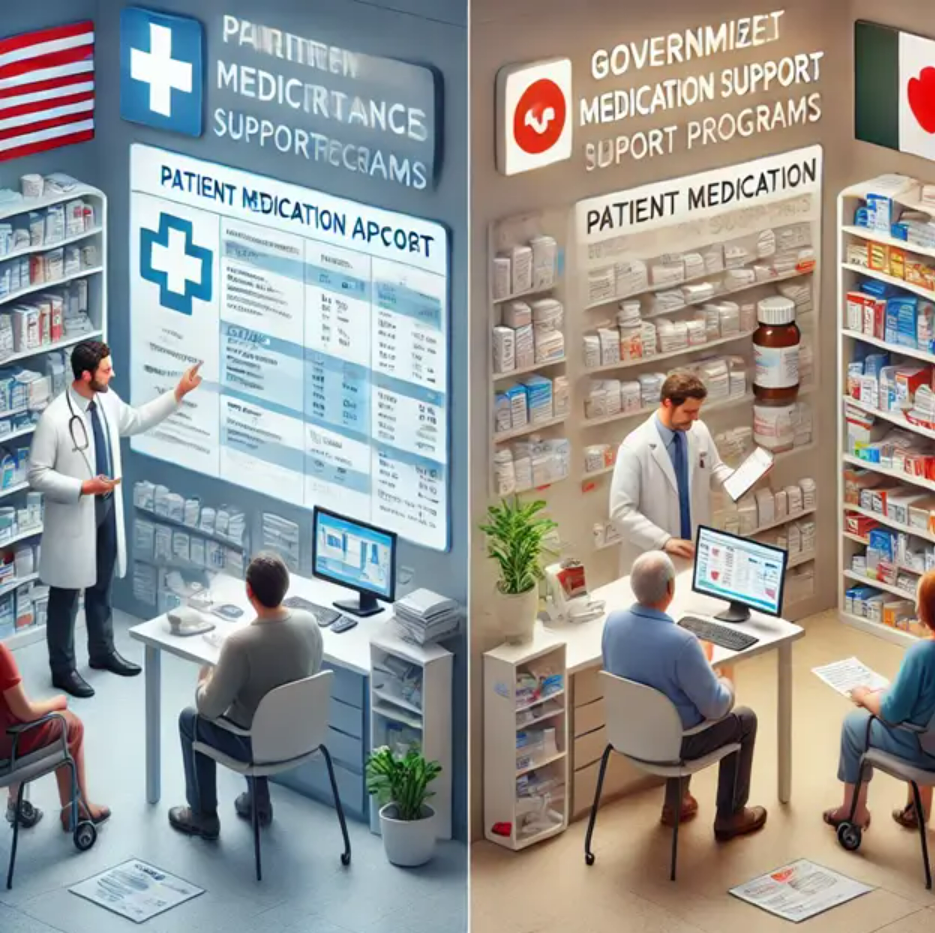
In recent years, relentlessly rising global drug costs, heavy out-of-pocket burdens on patients, and uneven allocation of healthcare resources have made public-private partnership an emerging answer for the pharmaceutical industry. Drug manufacturers have been rolling out support programs for specific patient groups, offering end-to-end services from personalized drug financing and health education to case management — reducing patients' financial burden while improving treatment adherence and health outcomes.
Reconfiguring public and private roles under the new public governance paradigm
In healthcare delivery, traditional bureaucratic systems face the twin challenges of professional complexity and fiscal sustainability. Healthcare resources are non-excludable yet rivalrous; relying solely on government regulation or market mechanisms can trigger a "tragedy of the healthcare commons." This has prompted countries to explore a third path — institutional dialogue platforms that bring pharmaceutical companies, healthcare institutions, insurers, and patient groups into a shared governance framework.
1. How US Patient Support Programs operate and how their regulation is evolving
Medicare, the most important public health insurance program in the United States, primarily serves seniors and certain vulnerable groups, but high drug prices and cost-sharing burdens often leave many beneficiaries unable to obtain needed medicines. Patient Support Programs emerged against this backdrop, designed to supplement Medicare coverage and help patients overcome the financial hardship of drug costs.
At the same time, manufacturers have come to recognize that beyond continued innovation in drug development, ensuring patients actually start and stay on therapy is key to competitiveness. Manufacturer-run Patient Support Programs now span not only drug financial assistance and application-based discounts, but also health education, case management, and psychological support. This comprehensive support — from clinic to community, from funding to information — has formed a new model of public-private collaboration, a win-win solution for lowering drug burdens and improving treatment outcomes.
The Manufacturer Assistance Program Compliance Guidance issued by CMS in 2017 established a three-tier regulatory framework: at the access level, preventing resources from flowing to high-income groups; at the execution level, deploying blockchain technology to track drug distribution and prevent duplicate claims and black-market resale; and at the evaluation level, analyzing the long-term impact of assistance measures on patients' continuity of treatment.
2. How manufacturer Patient Support Programs work
Manufacturer Patient Support Programs typically take a multi-layered approach that goes well beyond drug pricing. Their core mechanisms include:
- Drug assistance and discount programs
Manufacturers offer tiered drug discounts or free medicines based on patients' income, insurance coverage, and clinical need. These schemes directly reduce out-of-pocket costs and relieve financial pressure, giving patients additional support beyond basic Medicare coverage and encouraging continuity of treatment. - Education and information services
Patient Support Programs usually include rich health education resources such as medication guidance, disease management knowledge, and explanations of treatment outcomes. Through online platforms, hotlines, and in-person seminars, manufacturers build communication bridges with patients, helping them better understand their condition and treatment plan and further improving adherence. - Case management and psychological support
Some programs provide dedicated case management, assigning professional nurses or pharmacists to track treatment progress and offer counseling and lifestyle guidance when needed. This holistic support not only helps patients overcome difficulties along the treatment journey but also encourages active participation in care, improving overall health outcomes.
3. CMS policy guidance and regulatory framework
While manufacturer Patient Support Programs play a positive role in reducing patient burdens, CMS — as steward of public health insurance — must ensure these programs do not interfere with Medicare's overall operation, and must safeguard fairness and transparency for all patients in the application process. To that end, CMS has built a rigorous set of policy guidelines and oversight mechanisms, including:
- Strict policy guidance
- Eligibility standards and application processes
CMS requires manufacturers to establish open, transparent application procedures with clear standards for income, assets, and clinical need, ensuring only eligible Medicare beneficiaries can apply for patient assistance programs — preventing waste and inequity. - Scope and limits of assistance
Under CMS rules, assistance provided by patient assistance programs must not duplicate Medicare coverage. Manufacturer discounts or subsidies cannot exceed federal limits, protecting the overall operation of Medicare Part D. - Transparency and disclosure requirements
Manufacturers must regularly publish operating data, assistance amounts, and beneficiary counts for their patient assistance programs. This helps patients understand their entitlements and enables CMS to conduct ongoing supervision and evaluation, ensuring fairness and transparency.
2. Collaborative mechanisms
- Cross-agency consultation and data sharing
CMS holds regular consultations with manufacturers and Medicare Part D plan administrators to align on program design and execution. Through cross-agency data sharing, CMS obtains detailed operating data and adjusts its oversight strategy in step with beneficiary applications, utilization, and treatment outcomes. - Expert advisory panels and committees
To keep pace with market change and technological progress, CMS convenes experts from medicine, pharmacy, policy, and regulation into dedicated committees that periodically evaluate the implementation of patient assistance programs and recommend policy updates so guidance stays current.
3. Rigorous oversight mechanisms
- Regular reviews and evaluations
CMS periodically audits participating manufacturers, examining their application processes, assistance criteria, and disclosure practices, and confirms compliance with federal rules through document reviews, site visits, and beneficiary interviews. - Internal and external audits
Beyond internal monitoring, CMS engages third-party audit firms to independently evaluate programs, ensuring integrity in data reporting, assistance disbursement, and compliance. When problems are found, corrective or punitive measures follow under the rules. - Continuous monitoring systems
Using advanced information technology, CMS has built continuous monitoring systems that track program operations in real time, flag anomalous data promptly, and intervene immediately — maximizing protection of beneficiaries' interests.
4. Complementary strengths and results of Medicare-manufacturer collaboration
Under the public-private partnership model, collaboration between Medicare and drug manufacturers delivers complementary advantages on several fronts:
- Lower financial pressure on patients
Manufacturer discounts and assistance schemes effectively reduce out-of-pocket costs and fill gaps in Medicare coverage, allowing patients to stay on therapy despite high drug prices and lowering the risk of treatment interruption for financial reasons. - Better treatment adherence and outcomes
Multi-layered support combining drug assistance, health education, and case management encourages patients to follow physician instructions more closely, reduces missed or incorrect doses, and further improves treatment outcomes and long-term health. - More effective allocation of healthcare resources
The public-private model integrates government and industry resources into a robust support network. Medicare provides broad insurance coverage while manufacturers tailor programs to individual differences, jointly managing the patient journey from resource allocation to treatment delivery. - Data sharing and evaluation mechanisms
Through cross-agency data sharing and regular evaluation, both sides continuously refine Patient Support Programs based on real treatment outcomes and patient feedback. This data-driven approach not only improves existing programs but also informs future policymaking.
5. Challenges and outlook
Although the public-private partnership model has shown clear results in reducing drug burdens and improving adherence, implementation still faces challenges:
- Regulatory and compliance requirements
Patient Support Programs must provide assistance without disrupting the overall operation of Medicare Part D. Manufacturers must set discounts and assistance levels in strict accordance with federal rules while guaranteeing transparency and fair application. - Diverse individual patient needs
Patient needs vary widely. Striking the balance between standardized processes and individualized case services remains an ongoing challenge for all participants. - Long-term sustainability
As medical technology and market conditions keep evolving, ensuring programs remain sustainable under policy support and aligned with national health policy remains an open question for the future.
Looking ahead, with stronger cross-agency coordination, more mature data-sharing mechanisms, and continued technological innovation, the public-private partnership model is poised to expand and deepen. For healthcare professionals, understanding this model offers not only a grasp of the industry's latest developments but also forward-looking reference for clinical practice and policymaking.
Through strict policy guidance, cross-agency collaboration, and rigorous oversight, CMS and manufacturer Patient Support Programs have formed a complementary, stable partnership framework. This public-private model not only delivers clear advantages in lowering patients' drug burdens and improving treatment adherence and outcomes, but also offers the pharmaceutical industry a stable, sustainable blueprint for growth.