

Healthcare and patient support services in 2025: shifts and progress
AI-translated from the Chinese original · editorially reviewed
According to Deloitte's "2025 US Health Care Outlook" report, rising healthcare costs are the biggest challenge facing the healthcare system, and they are expected to keep climbing in 2025. The report notes that US healthcare spending is projected to reach a staggering US$4.6 trillion in 2025—meaning patient demand for PAP/PSP financial assistance will continue to grow, and pharmaceutical companies will face even greater pricing pressure.
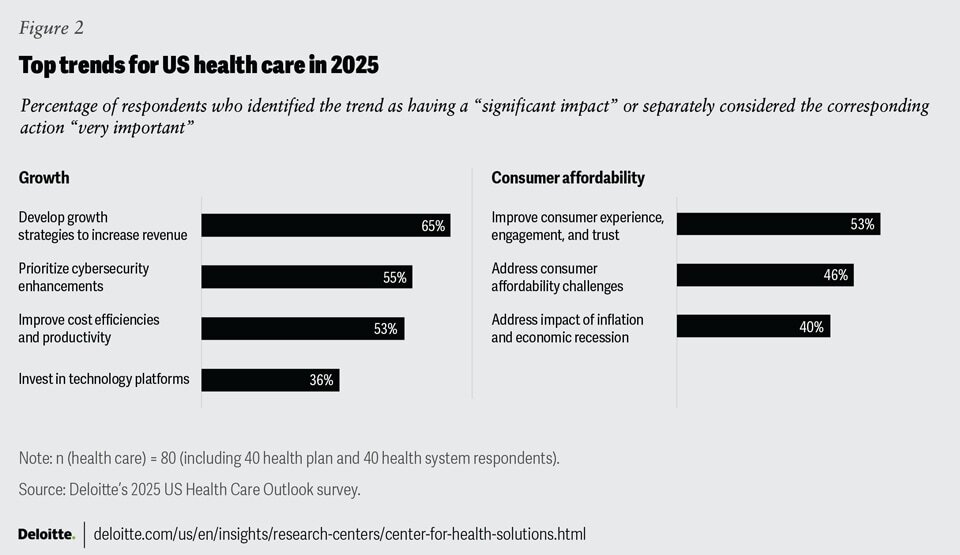
The report surveyed 80 executives from large US healthcare organizations and health plans (each with revenue above US$500 million) between August and September 2024. Most executives believe that "2025 is a transformation period for the healthcare industry, and regulatory uncertainty may affect their 2025 strategies." Sixty-five percent of executives ranked developing a growth strategy for their organization as their top priority for 2025, making it the industry's most prominent trend (Figure 2). In addition, 46% of executives see consumer affordability of the healthcare system as a major trend.
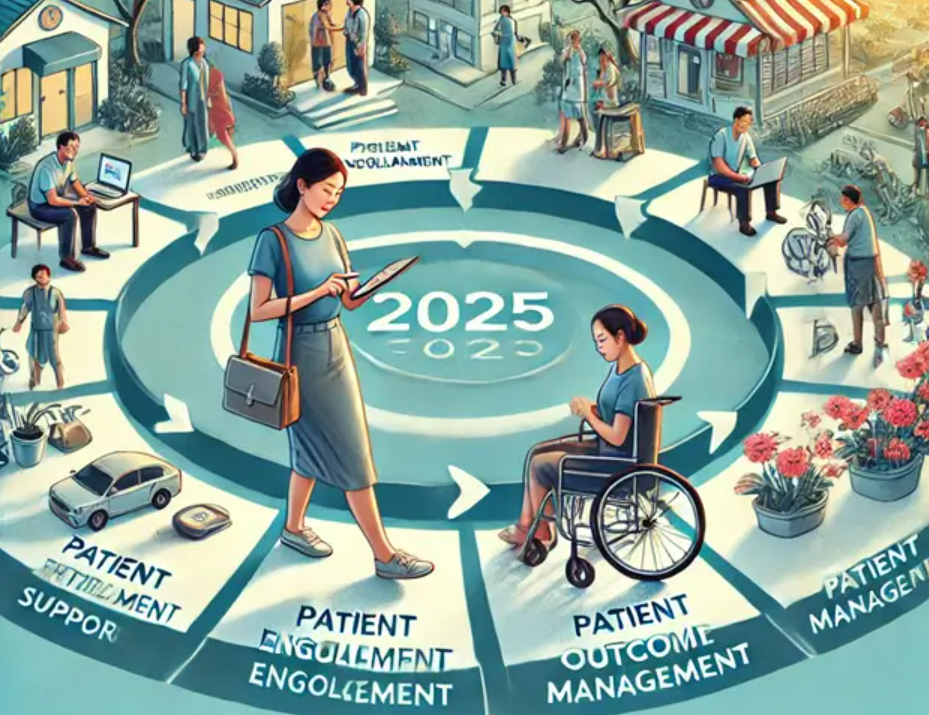
Looking ahead to 2025, Patient Assistance Programs (PAP) and Patient Support Programs (PSP) will also undergo transformation, driven by shifts in policy and regulation, technology, patient needs, and a growing awareness of health equity and equal rights in healthcare.
PAP/PSP under multiple pressures of healthcare transformation
In August 2022 the US Congress passed the Inflation Reduction Act (IRA), aiming to curb inflation by reducing the federal budget deficit, lowering prescription drug prices, and promoting clean energy. On drug pricing, the act authorizes Medicare to negotiate prices with pharmaceutical companies to bring down drug spending. This directly squeezes manufacturers' margins and forces them to rethink how PAP/PSP operate and where drug revenue comes from. Commercial insurers' reimbursement restrictions and the rise of high-deductible plans have also intensified patients' financial burden, making them even more reliant on PAP/PSP support.
Digital transformation: accelerating the embrace of technology
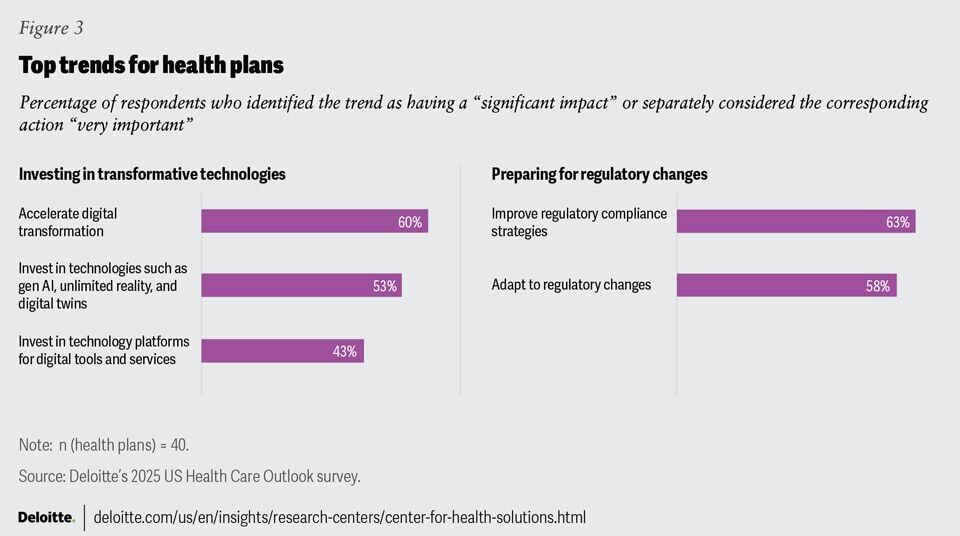
Deloitte's report also highlights the pivotal role of digital technology and generative AI in healthcare, predicting that the use of digital health tools will keep growing in 2025. From online applications and electronic health records to remote consultations and mobile apps, digital tools not only improve efficiency but also extend the reach of services to more patients in need. Patients' growing acceptance of digital health services is likewise pushing PAP/PSP to embrace digital technology faster.
Digital transformation brings new challenges too, such as the digital divide. Despite the convenience digital technology offers, many patients may be unfamiliar with digital tools and unable to take full advantage of digital services. PAP/PSP therefore need to offer multi-channel access—including diverse online services, phone support, and in-person human service—to ensure every patient can easily obtain support.
Health equity: closing gaps, ensuring fairness
Addressing health inequity is a critical issue in healthcare today. It means PAP/PSP must look beyond drug accessibility and affordability to actively close the gaps disadvantaged groups face in obtaining care and support. This calls for PAP/PSP that are more flexible, on-demand, and tailored to specific populations, ensuring all patients have equal access to the support they need—making refined, personalized PAP/PSP program design the mainstream.
Personalized care: data-driven, customized services
Personalized care and AI assistance are the future of healthcare. PAP/PSP can no longer be one-size-fits-all; they must offer customized support based on each patient's circumstances. Data analytics plays a key role here. By analyzing patients' personal information, medical history, and medication habits, PAP/PSP can deliver more precise education, medication reminders, psychological support, and other services—improving medication adherence and achieving better treatment outcomes.
Innovative services: a competitive edge for pharmaceutical companies
In such a fast-changing environment, innovative PAP/PSP services have become a competitive weapon in pharmaceutical companies' market offerings. Investing in innovative services not only improves patients' treatment outcomes and quality of life, but also delivers the following benefits:
- Stronger brand value and reputation: high-quality PAP/PSP build a positive corporate image and earn trust among patients and healthcare professionals.
- Greater patient loyalty: outstanding PAP/PSP services increase patient loyalty and keep patients on the company's products.
- Larger market share: innovative PAP/PSP attract more patients and expand the company's market share.
- Real-world data collection: PAP/PSP can gather patients' real-world data, reveal their medication experience, and inform adjustments to products and services.
- Differentiated competitive advantage: innovative PAP/PSP can become a company's point of differentiation, helping it stand out.
Data insights: the future of PAP/PSP
Deloitte's report notes that data analytics is playing an increasingly important role in healthcare—and the same applies to the development of PAP/PSP. Through data analytics, PAP/PSP can:
- Understand patient needs: analyze patient data to learn their preferences, behaviors, and pain points, and deliver more targeted services.
- Evaluate service outcomes: track PAP/PSP performance and adjust service strategies based on the data to improve efficiency.
- Detect potential risks: analyze data to identify potential medication risks and take preventive measures.
- Optimize resource allocation: use data analytics to direct resources where they are needed most and improve utilization.
In 2025, innovative services centered on the patient journey—shaped by regulatory change, digital technology, patient needs, and the focus on health equity—are profoundly influencing the development of PAP/PSP. The pharmaceutical services industry must meet these challenges head-on, treat innovation as a core competency, and deliver patient-centered management services that ensure every patient can obtain the medicines and support they need, in whatever way works for them.
─ Sean Chang, Managing Director, PatientsForce, Media-WIND Health Group (MWHG)