

How PatientsForce solves data management pain points with Patient Support Programs
AI-translated from the Chinese original · editorially reviewed
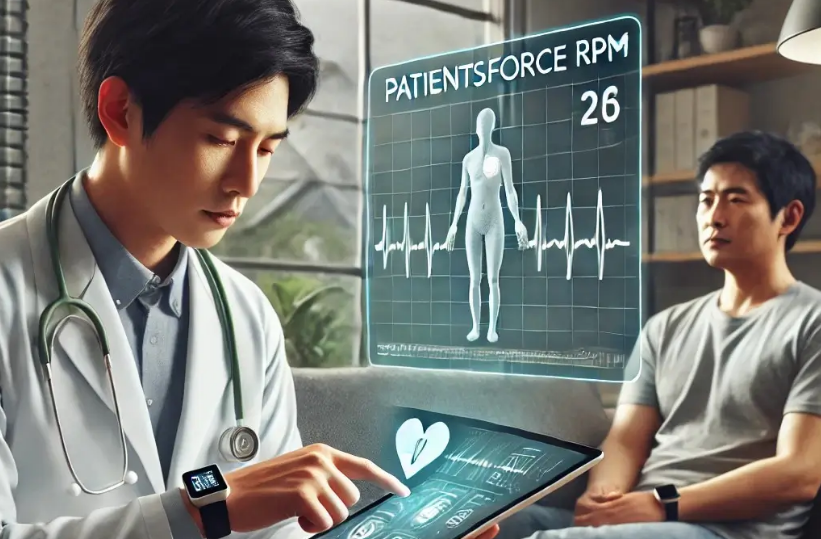
As the era of digital healthcare arrives, remote health data management is becoming a cornerstone of modern medicine. Under the Taiwan government's "888 Program" in particular, remote health data management is seen as a key means of improving lifestyle-related diseases. Yet today's remote health data management systems face challenges in data accuracy, patient adherence, and insufficient collaboration with healthcare institutions. PatientsForce has proposed an innovative solution centered on the Patient Journey, aiming to break through the current bottlenecks and improve overall healthcare efficiency and patient well-being.
The pain points: three major challenges in remote health data management
Remote health data management should be a major breakthrough in the digitization of healthcare, but it currently faces three major challenges:
- Insufficient data accuracy and completeness:
Patients' lack of experience with digital tools, or devices with unintuitive designs, lead to frequent errors and gaps in data collection. - Low patient adherence:
Health management requires sustained patient participation, but a lack of motivation or support mechanisms often causes programs to be abandoned, making long-term health goals unattainable. - Poor collaboration with healthcare institutions:
Data connectivity problems make data sharing difficult, reducing the timeliness and precision of medical decision-making and leaving patients feeling their participation brings no benefit.
These pain points not only hinder the adoption of remote health data management but also diminish the effective use of healthcare resources.
The PatientsForce solution: integrating the patient journey with intelligent technology
As a pioneer in Patient Support Program (PSP) services, PatientsForce has developed a series of innovative solutions to these challenges, built on three pillars: a remote professional patient management center, AI-powered multimodal data collection, and collaborative management with healthcare institutions.
1. Remote professional patient management center: diverse services underpinning remote health data management
PatientsForce has established a remote professional patient management center staffed by healthcare professionals who provide patients with personalized health management advice. Using remote monitoring tools, the center delivers comprehensive support ranging from daily health tracking to emergency response.
2. AI-powered multimodal data collection: improving accuracy and convenience
Leveraging artificial intelligence, PatientsForce has developed a multimodal data collection system spanning wearable devices, mobile apps, voice assistants, and other tools. The system automates data recording and analysis, reducing manual errors, ensuring data accuracy, and lowering the technical barriers to patient participation.
3. Collaborative management with healthcare institutions: promoting resource integration and decision-making efficiency
PatientsForce enables real-time data transmission and analysis through a data sharing platform. The platform also supports cross-institution collaboration on health management programs, allowing care teams to formulate precise treatment plans based on real-time data.
Improving patient adherence: personalized services that motivate participation
Beyond technological innovation, PatientsForce places special emphasis on improving patient adherence. Through tailored health education content and remote communication tools, patients gain a clearer understanding of what their health data means, which raises their motivation to participate. PatientsForce has also built in a real-time feedback mechanism, so that after completing data collection or following their care plan, patients can feel the tangible benefits of their participation.
From concept to practice: a strategy for real-world implementation
The PatientsForce solution goes beyond the drawing board, with a complete implementation plan:
- Needs assessment and system design: optimize data collection workflows and improve device usability based on patients' health needs.
- Professional staff training: ensure the management center's healthcare personnel master the latest technologies and remote management methods.
- Technology integration and testing: connect the data collection system seamlessly with existing healthcare information systems to ensure stability and security.
- Outcome tracking and continuous improvement: monitor implementation results and make adjustments based on feedback so the system continues to meet needs.
Looking ahead: innovative technology powering the next generation of remote health management
As the digitization of healthcare accelerates, remote health data management is becoming ever more important. Through innovation in both technology and services, the PatientsForce solution injects new vitality into existing systems. With the momentum of Taiwan's "888 Program," these innovations will not only help resolve today's data management pain points but also become a key driving force in upgrading remote health management.