

Health insurance: a safety net stretched thin? When people struggle between medical care and financial pressure
AI-translated from the Chinese original · editorially reviewed

Reprinted with permission: Pharmascan
According to the latest survey, as prices soar and medical costs climb, American consumers are worried about steep healthcare expenses, mounting medical debt, and the lack of mental health coverage. Rising insurance premiums add yet another burden. Even though US health insurance differs markedly from Taiwan's National Health Insurance, how much do you know about health insurance—why does it worry the public, what is the relationship between insurance and medical care, and how can people withstand the financial pressure as costs rise? As health insurance costs keep heating up, people feel the increases acutely. We need to think carefully about how to balance medical costs and affordability, so that everyone can access appropriate healthcare without financial pressure keeping them from the medical services they need.
Prices are soaring, and health insurance premiums are poised to follow
As the inflation monster grows, US health insurance premiums are expected to rise with it—an outcome that will affect people's access to timely medical care.
According to a report by private insurance provider Gravie and market research consultancy Wakefield Research, with the 2023 open enrollment period approaching, what people care about most is how much premiums will rise this year. Excessive costs will limit their access to medical care and can further spiral into debt.
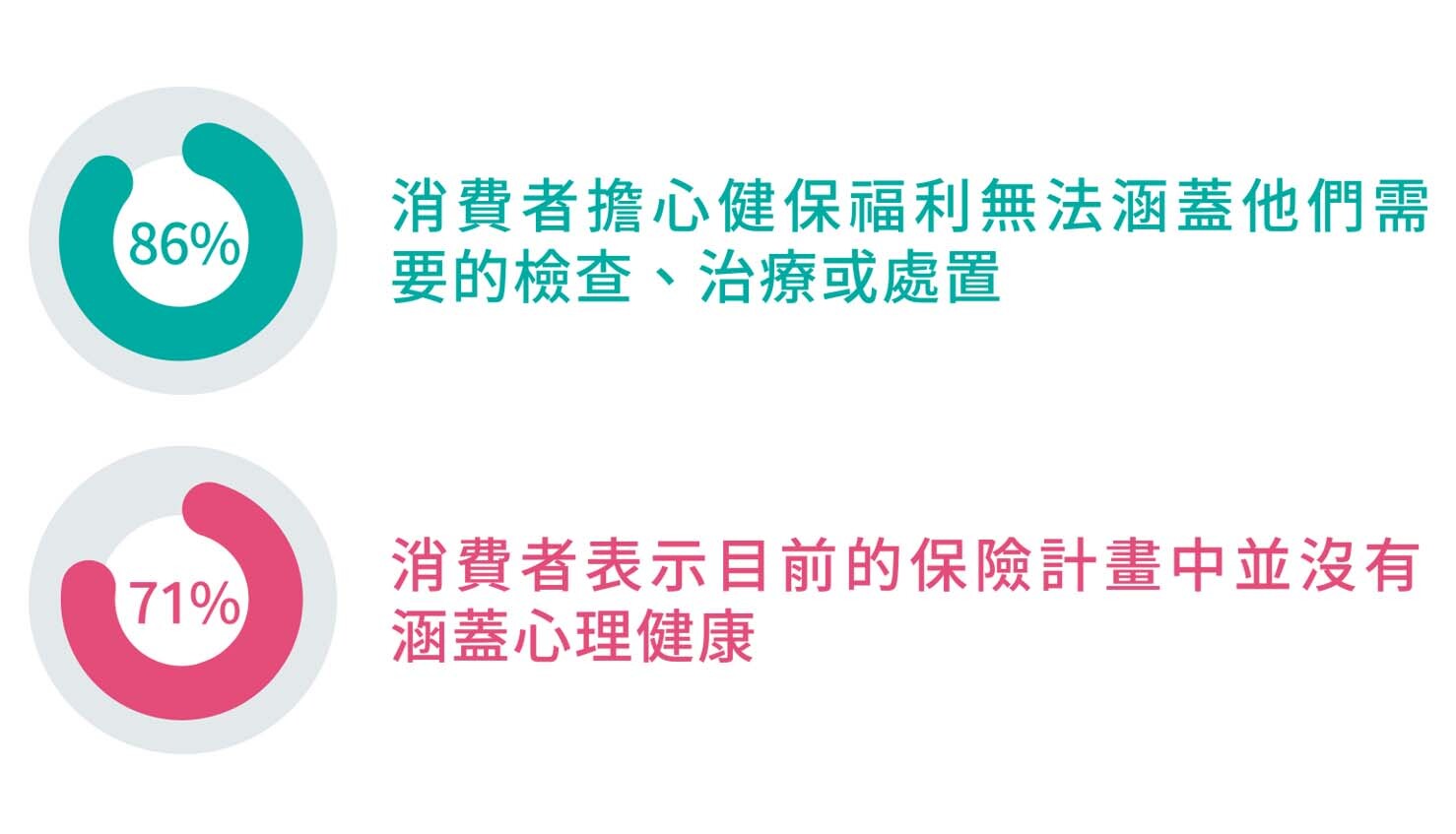
To understand how consumers currently view their health benefits, Gravie surveyed 1,000 American consumers in August. The results showed that nearly 86% of consumers worry their health benefits will not cover the tests, treatments, or procedures they need; 71% said their current plan does not cover mental health; and as many as two-thirds worry that their current mental health coverage cannot meet their own and their families' needs.
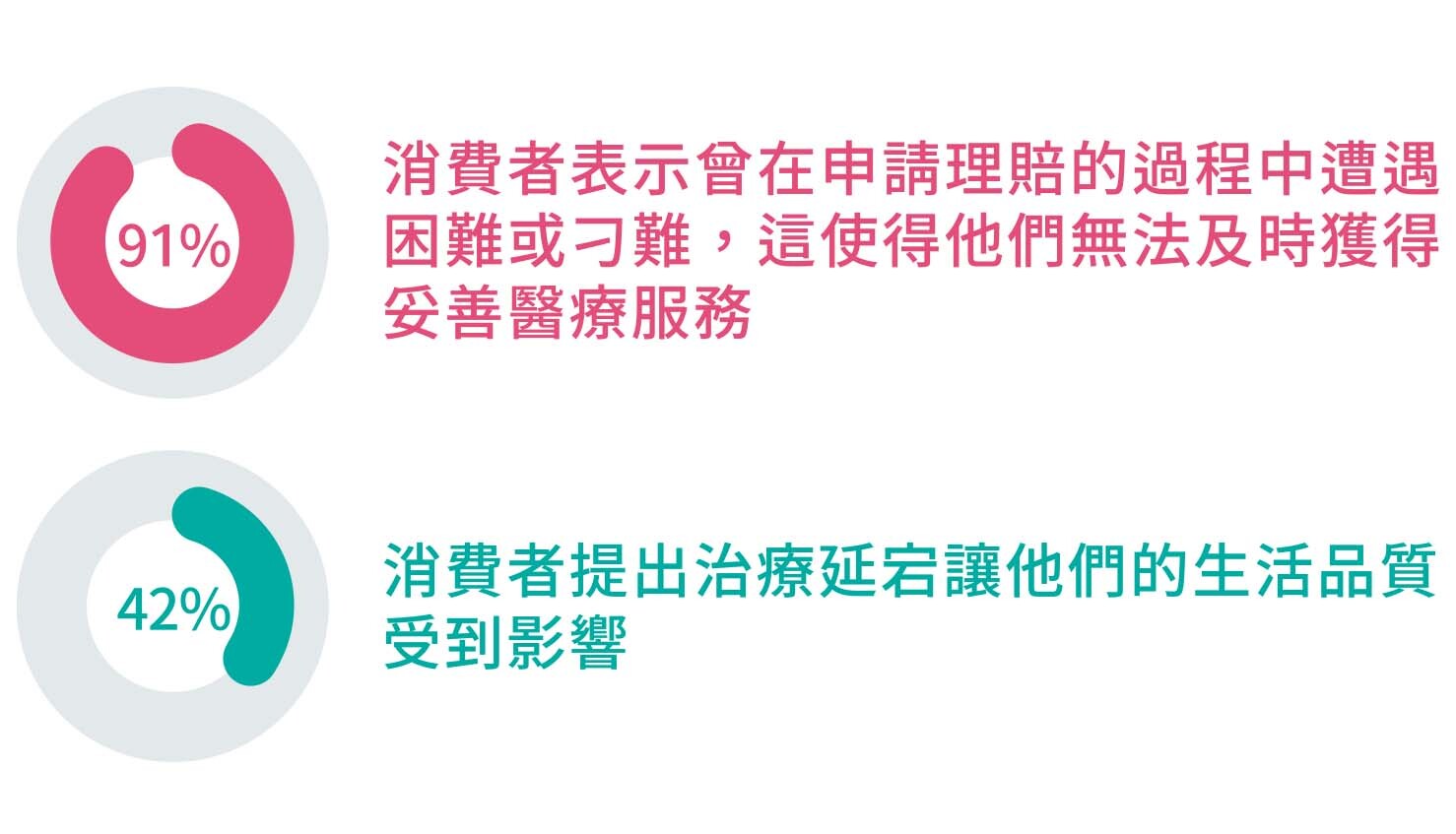
Claims are another problem: 91% of consumers said they had encountered difficulties or pushback when filing claims, preventing them from receiving proper medical care in time, and 42% reported that treatment delays had affected their quality of life.
The Kaiser Family Foundation, a US nonprofit, predicts that premiums for health plans under the Affordable Care Act (ACA, also known as Obamacare) will rise 10% this year, with some insurers raising them by as much as 20%. Meanwhile, according to a report by insurance group Aon, employer-sponsored coverage costs are expected to climb 6.5% next year—a sizable jump from last year's 3.7% increase, though still below this year's inflation rate of 8.26%.
"The evidence is very clear: consumers are being squeezed in a tragic way by a broken healthcare system. People's medical care should not be obstructed by these administrative and financial barriers built into insurance plans. The traditional approach to health insurance should have changed long ago," said Marek Ciolko, co-founder and co-CEO of Gravie.
Open enrollment for Medicare—the health insurance program for seniors—begins on October 15 for 2023. Meanwhile, enrollment for the new Affordable Care Act plan year runs from November 1 through January 15, and those with employer-sponsored insurance will also begin enrolling in November.
Looking from US health insurance back to Taiwan's National Health Insurance system: while widely praised, it faces challenges of its own. With an aging population and advancing medical technology, the NHI system is under real financial pressure. People question whether Taiwan's NHI can shoulder ever-growing costs and continue to deliver high-quality medical services in the future. If pharmaceutical companies can support drug installment payment programs, patients can undergo treatment while maintaining the quality of life they had before falling ill. This approach not only eases the pressure of drug costs but also lifts patients' spirits, which in turn supports better treatment outcomes. It also helps reduce the negative impact of financial pressure on patients, creating a virtuous cycle. Such care and support earn pharmaceutical companies and healthcare providers a positive image and trust, underscoring their commitment and contribution to patient wellbeing. This kind of collaboration offers cancer patients tangible help while strengthening confidence in—and the effectiveness of—the healthcare system.
-Provided by PatientsForce
This article has been licensed by Pharmascan to PatientForce™ (Media-WIND Communications Co., Ltd. / Tax ID: 27903403). The intellectual property rights are jointly owned by PatientForce™ and Pharmascan in accordance with the law. If you believe this article infringes any rights, please contact the relevant department of our company by email and we will respond as soon as possible.