

Telecare and PSPs: the innovation model evolves again
AI-translated from the Chinese original · editorially reviewed
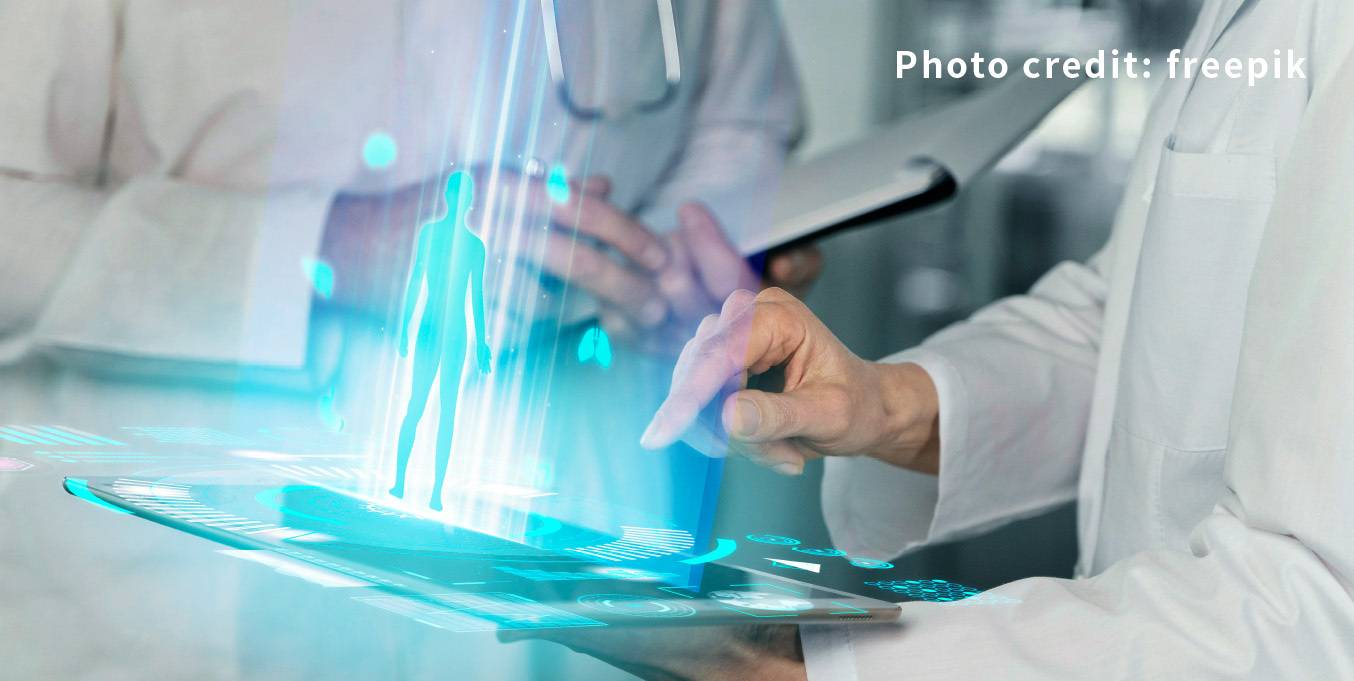
The COVID-19 pandemic rapidly accelerated the demand for and development of telemedicine. Beyond video consultations, what other strategies can push remote healthcare further?
Core elements of the telecare model
According to recommendations from the Institute for Healthcare Improvement (IHI), building a safe, equitable, person-centered system must meet the following six essentials:
.Access: ensure patients can conveniently obtain the equipment and software needed for remote care
.Privacy: protect the security of patient data
.Diagnostic Accuracy: ensure the correctness of telemedicine diagnoses and medical decisions
.Communication: ensure good communication and interaction between patients and healthcare staff
.Psychological and Emotional Safety: ensure patients receive psychological support while receiving remote care
.Human Factors and System Design: whether the telecare system meets the usage needs of patients and healthcare staff.
An innovative response: video health education services
Through a digital tool — the "video health education" feature of LINE MediPASS — PatientsForce lets patients affected by the pandemic, unable to return for follow-up visits, or in need of health consultations (or their family members) book appointments and receive professional health education online. Unlike traditional phone check-ins, this video model deepens the relationship of trust between patients and health educators. One success story: providing medication guidance for auto-injectors via video instruction.
The multi-modal care of PSPs
Well before telecare became a hot topic, PatientsForce had already introduced multi-modal care into its Patient Support Programs (PSPs) to boost patient engagement and self-management. These include arranging transportation to follow-up visits, at-home injection services, and home-based rehabilitation or physical therapy. By bringing medical services into patients' homes, PSPs make care more convenient, improve medication adherence, and address the challenges of long-term home care.
A new horizon for next-generation telecare
As technology evolves, PatientsForce is also applying AI, combining remote monitoring devices and wearables to deliver deeper, more personalized home care. For example, health monitoring watches track patients' daily heart rate, blood oxygen, sleep quality and other physiological data, uploading it instantly to the system so health educators gain real insight into patients' home care situations and needs — while providing timely, caring, professional health education.
With patients at the center, PatientsForce is committed to realizing the six essentials of telecare, further improving treatment efficiency and quality of care. As patients gain a deeper grasp of their own conditions, they can make medical decisions with their physicians quickly and confidently. We will continue to lead healthcare innovation and set higher, more comprehensive service standards for the future of telecare.
Nerissa Kuo, Deputy Director, Strategy Management Department, Media-WIND Health Strategies, PatientsForce