

PatientsForce launches a rare-disease new-drug patient support program: heartfelt companionship lighting up hope for rare-disease families
AI-translated from the Chinese original · editorially reviewed
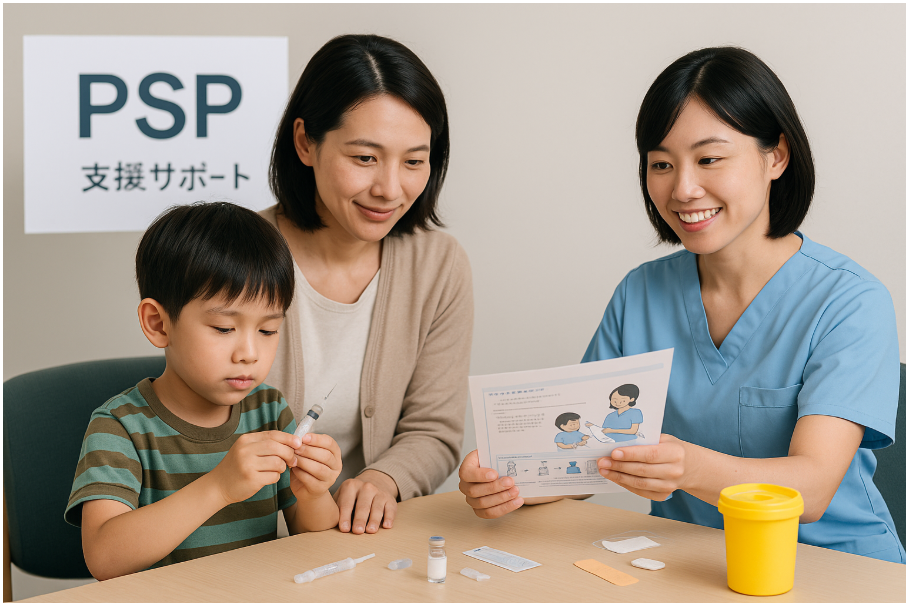
This new drug treats children with a rare disease who have congenital developmental problems, and its treatment process requires caregivers to prepare the medication daily and inject it into their children themselves. Beyond the drug itself, caregivers must also become proficient in preparing the related supplies, including the solvent syringe, solvent needle, injector, alcohol swabs, adhesive bandages, and a sharps disposal container. Although the drugmaker provides a thorough and detailed medication-instruction video, the video runs nearly 15 minutes, and without practice one cannot actually perform the administration. On the other hand, given that in-hospital nursing staff have limited time, it is difficult for them to provide families with complete health education. At this point, the intervention of a health educator becomes the key support for initiating treatment and for the companionship that follows.
PatientsForce arranges for a professional health educator to provide one-on-one, individualized instruction at the clinic—from actually operating the needle set, explaining drug storage, key preparation points, and injection sites, to helping families understand and rehearse in advance the injection scenarios they may encounter and how to respond in the moment. For example, a child may be nervous or resist and refuse to cooperate with the medication; the health educator can share various experiences and recommended practices in advance, gradually easing the family's anxiety and unease and helping them successfully complete each treatment at home afterward.
On the day the first patient was served, we had the chance to enter the ward together with the health educator and witness the first child receive the first dose of this reimbursed drug in all of Taiwan. The mother listened attentively to the health educator's explanation and practiced handling the needle firsthand, while the father recorded the health-education process on the side so it could be reviewed again at home; encouraged by the health educator, the child also watched the video repeatedly, discussed the injection with the mother, and bravely faced the illness while accepting treatment with optimism. As the project team watched this family pull together, we came to deeply appreciate that a PSP is not merely an extension of medical services, but a source of family support and hope.
After treatment begins, patients may find it hard to consistently adhere to the daily regimen. Therefore, to help patients sustain treatment over the long term, this project plans in its second phase to incorporate the digital tool "MediPASS," providing daily medication push reminders to help families maintain steady medication adherence. At the same time, the health educator will continue to play the role of companion and support, encouraging the child and family to keep up with the medication through regular care and psychological support, so as to enhance their ability to live with the disease and improve the family's quality of life.
This experience not only demonstrates the indispensable role of the health educator throughout the treatment journey, but once again underscores the core value of a patient support program—being truly "patient-centered" and creating a reassuring, accessible, and warm care experience for patients and families.