

The new healthcare finance revolution — financial engineering for medicine will be the new standard of care
AI-translated from the Chinese original · editorially reviewed
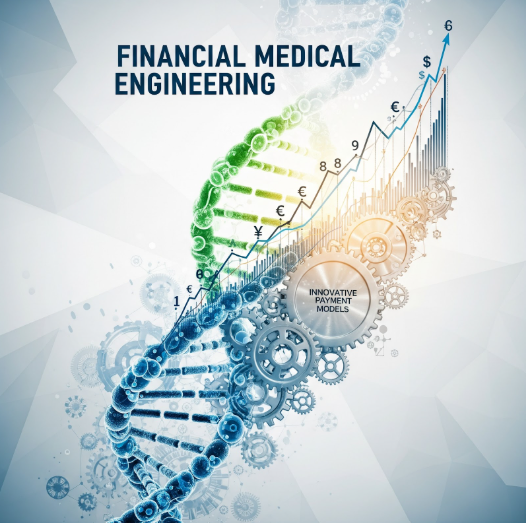
Gene therapies routinely cost NT$30 million — who can afford them? Three new ways to pay, pioneered by pharma companies, insurers, and health systems, are quietly reshaping the future of medicine.
A one-time gene therapy that delivers lifelong improvement can cost NT$30 million to NT$100 million.
This is not science fiction — it is the reality the United States is facing today. High-priced therapies give many rare disease families hope, but they also put insurers and health systems under unprecedented financial pressure. "Paying all at once is too expensive, but not paying is not an option." That is the dilemma every healthcare payer now shares.
Over the past three years, three innovative payment models have emerged in the United States, making high-priced medicine "possibly affordable."
They include:
1️⃣ Warranty-based payment (guaranteed outcomes)
2️⃣ Subscription-based payment (like subscribing to Netflix)
3️⃣ Outcome-based refunds (money back if it doesn't work)
These approaches are reshaping the healthcare market and are seen as trends and opportunities Taiwan may face in the future.
1. Pfizer's "efficacy warranty": Case study: Pfizer (Beqvez)
Pfizer priced Beqvez, its gene therapy for hemophilia B, at USD 3.5 million, and its launch exposed a structural barrier in the US market: Medicaid's "Best Price" provision. Traditionally, if a manufacturer refunded a commercial insurer directly for a failed therapy, that "lower net price" could reset the statutory rebate floor across all Medicaid programs, dealing a devastating financial blow to the manufacturer. To sidestep this risk, Pfizer implemented a "Warranty Model" operated through third-party insurance.
How it works:
Rather than signing direct refund contracts with payers, Pfizer embeds the "efficacy warranty" in the cost of the therapy. If the therapy fails to demonstrate the expected efficacy or durability within a defined period, the refund is paid by a third-party insurer, not directly by Pfizer.
Strategic advantages:
- Regulatory protection: By externalizing the risk, Pfizer decoupled refunds from the drug's unit price, protecting the Medicaid Best Price benchmark.
- Payer protection: Payers are often reluctant to prepay USD 3.5 million for a therapy that may not work. The warranty model effectively converts variable clinical risk into a fixed, insurance-backed asset.
- Market differentiation: In the fiercely competitive hemophilia B market, the warranty sends a strong signal of confidence in the product's efficacy.
2. Cigna Evernorth's "subscription model": Case study: Cigna Evernorth (Embarc Benefit Protection)
While manufacturers focus on unit price, payers — especially self-insured employers — worry about "thunder risk": a single employee needing a multimillion-dollar gene therapy could bankrupt a small or mid-sized company's health plan. Cigna's Evernorth addressed this with Embarc Benefit Protection, a classic subscription model.
How it works:
Embarc operates on a per-member-per-month (PMPM) capitation model. Employers and health plans pay a predictable monthly fee to join the network. In exchange, if a beneficiary needs a covered gene therapy (such as Zolgensma or Luxturna), the cost is fully absorbed by the Embarc program.
Clinical and financial ROI:
- Zero out-of-pocket for patients: The heart of this patient support program is eliminating patients' financial toxicity. Removing the cost-sharing barrier ensures finances never delay treatment, optimizing clinical outcomes.
- Budget smoothing: For CFOs and HR benefits managers, it converts volatile, catastrophic capital expenditure (CapEx) risk into predictable operating expenditure (OpEx).
- Improved access: With the payer (Embarc) having actuarially resolved the cost question, physicians face less resistance in prior authorization, streamlining the patient journey from diagnosis to infusion.
3. Bluebird Bio: Case study: Bluebird Bio (Zynteglo)
Bluebird Bio's Zynteglo, a gene therapy for beta-thalassemia priced at USD 2.8 million, faced a unique challenge. The therapy's clinical goal is to make patients "transfusion independent." Given that lifetime transfusion and iron chelation costs can exceed USD 6 million, the drug is cost-effective — but only if it works "permanently." Bluebird Bio launched a high-stakes "Outcome-Based Refund Model."
How it works:
The company contracts with payers, committing to refund up to 80% of the treatment cost if a patient fails to remain transfusion independent within two years of infusion.
Strategic implications:
- Quantified confidence: Putting USD 2.24 million (80% of 2.8 million) at risk per patient is the manufacturer's most powerful marketing signal of clinical efficacy. It bridges the trust gap between clinical trial data and real-world evidence (RWE).
- Payer ROI: The model directly addresses insurers' "pay and pray" anxiety. It tightly aligns the manufacturer's financial incentives with the clinical goals of physicians and patients.
- Data infrastructure: Executing this model requires robust patient registries and monitoring systems to track transfusion events. This forces providers, payers, and manufacturers into closer integration, transforming a one-time drug sale into a long-term patient management ecosystem.
The common thread behind all three models: "clinical outcomes" and "cash-flow design" are now bound together**. In the gene therapy era, clinical value and financial mechanisms have become inseparable.
This means:
- Future drug launches will need cash-flow models designed in parallel
- Hospitals must be able to track outcomes
- Reimbursement-ready patient databases and digital tracking are essential
- Payers need new claims, review, and actuarial tools
Without this infrastructure, even the best therapy may "cure the disease but never get paid for."
PatientsForce has launched multiple new healthcare payment models in Taiwan — from bank financing, personal loans, and drug installment plans to manufacturer debt risk-sharing models — and continues to develop new patient healthcare financing solutions.
#ValueBasedHealthcare #GeneTherapy #MarketAccess #HealthcareFinance #PrecisionMedicine #PharmaInnovation #PatientExperience