

Walking with cancer, making peace with life: Cathy's path of gentle strength
AI-translated from the Chinese original · editorially reviewed
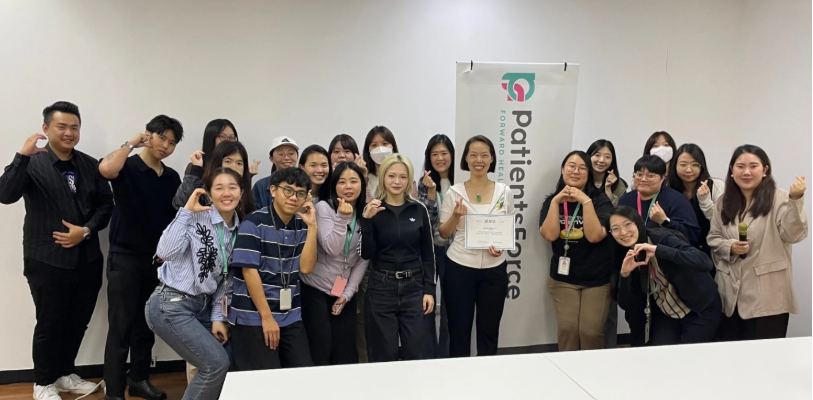
From diagnosis to recurrence to a new conversation with life
At 34, a routine checkup brought a diagnosis that opened a different door in Cathy's life — stage 1 breast cancer. Her once orderly life gave way to a treatment plan: she scheduled surgery, adjusted her routines, and relearned how to care for her body. Through that period, she believed that if she simply followed her treatment step by step, she could get back on her original track.
After finishing treatment, Cathy did not rush back to her old busy pace. Instead, she made a new choice:
she began exercising intentionally, adjusting her diet, and paying attention to her body and her moods, bringing more balance to her life.
It was not about hurrying to "get back to before," but about building a new life that could take better care of herself.
Three years later, at a routine follow-up, her doctor found abnormal cell changes in her liver. Even though she had braced herself, her heart still sank when the recurrence and metastasis were confirmed. This time, she did not fall apart. She quietly absorbed the news and thought about her next step. The first question she asked her doctor was not how long she had to live, but: "Can I keep living my life as it is now?" To her, being able to keep living well mattered more than anything.
Exercise as companionship, not a challenge: the power of cycling around Taiwan
Many people who hear Cathy's story are struck by her round-the-island bike rides. But for her, cycling was never about pushing limits — it was a way of life that accompanied her through the years after treatment.
After her first diagnosis and treatment, wanting to get healthier, she started taking spin classes, gradually moved to outdoor riding, and eventually joined a cycling team of fellow patients and completed a ride around Taiwan. On that road, the sound of the wind, the hum of the tires, and the voices of teammates cheering each other on all became her proof that life was still moving forward.
Her second round-the-island ride came the year her cancer returned.
To the outside world, it was an act of courage; to her, it was simply returning to a familiar daily rhythm —
heading out the door, pedaling, watching the scenery slowly unfold, just as before. She says that more than proving anything, being able to keep doing what she loves is what gives her peace of mind. In her view, once primary treatment is complete and the numbers are stable, fellow patients can also let exercise accompany their recovery. But every body is different, she cautions — pace and intensity should follow your doctor's advice and your own body, without forcing anything.
A shift in mindset: from "curing the disease" to "living well with myself"
Early after her diagnosis, her goals were to be cured, to recover, to return to her former life.
She worked hard to eat healthily, kept exercising, and tried to get her body back to its strongest state.
But after the recurrence, she came to a new understanding —
diet, exercise, and sleep matter, but so does tending to your emotional wellbeing.
She no longer tries to pack every day full; instead, she keeps her emotions, her body, and her life in step — never forcing, never pressuring herself.
Using her voice to accompany others — and herself: how her radio show began
The year her cancer returned, Cathy began hosting an online radio show, "Cathy's Highway 11."
The decision was no whim — it grew out of something she had wanted to do for years.
From those first recorded episodes, the show is now in its fifth year. Through her voice she shares her life, her exercise habits, her learning and self-adjustment, and expresses gratitude for the people and life around her.
To her, radio is not a performance — it is companionship.
In the recording booth, she lets herself grow quiet, sorts through her feelings, and passes that calm along.
A patient community: a place to talk at every stage
Beyond her treatment and follow-up schedule, Cathy also spoke about the practical support she received.
She mentioned the PatientsForce program team as one part of her treatment journey that gave her peace of mind:
Even on typhoon days, calls from the program team came through right away, and after every application she submitted, the team proactively called to keep her informed,
so she was never left anxious over uncertain information. When the digital tool MediPASS launched, the application process became even faster and more convenient.
She says the system's interface is intuitive and friendly — patients can track the progress of their applications themselves and handle them on their own when they are busy or unable to call.
"When someone takes such good care of the process beyond the treatment itself, patients can save their strength for their bodies and their lives."
That is how she describes the program's service.
Not chasing the life she had, but walking toward the life that fits
Cathy does not tell her story in stirring tones, nor does she cast herself in the mold of "the strong one."
She is more like someone quiet and focused, moving forward — walking slowly, walking steadily — with her attention on her body, her moods, her family, her interests, and every ordinary day worth treasuring.
She once hoped to be cured and return to the past; now she chooses to live well and move forward, in her own way — grounded, steady, and clear.
Her story reminds us —
every day lived alongside illness is real life. And to breathe freely, live in peace, and be understood and cared for is itself a kind of strength.