

Breaking the mold of medical PR: when art meets medicine, creative sparks fly — a case study
AI-translated from the Chinese original · editorially reviewed
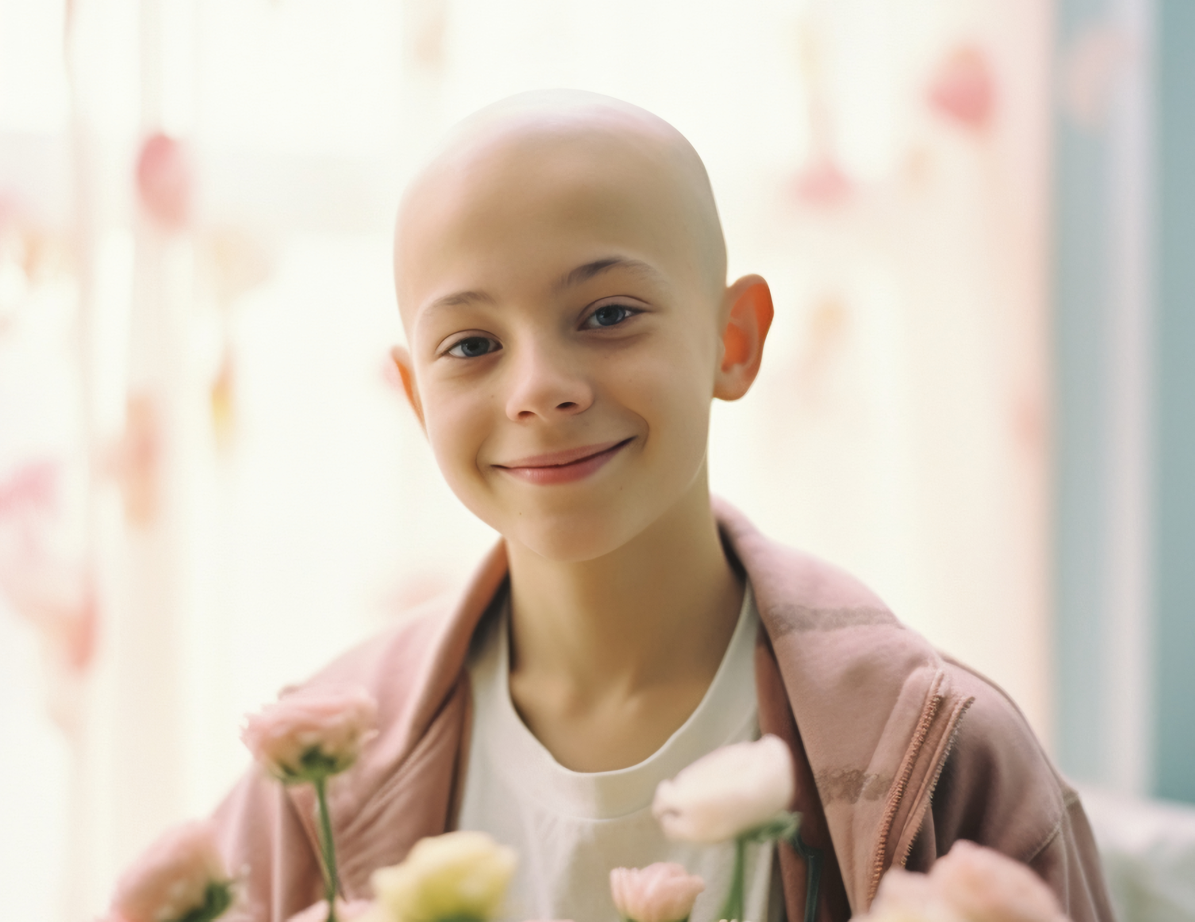
Raising disease awareness through art exhibitions has become an important trend in modern health education. With its unique visual and emotional language, art can touch hearts in ways that words and cold data cannot. Art exhibitions not only draw broad audiences but also spark public interest in and empathy for disease, driving greater social attention and resources. The "Beyond the Diagnosis" art exhibition exemplifies this trend: it opened a window onto the world of rare diseases, advancing education and accelerating how quickly the medical community diagnoses a once nearly invisible population.
The challenges facing the rare disease community
Members of the rare disease community carry not only physical, emotional, and financial burdens, but also a crisis of visibility. Patricia Weltin, founder and CEO of the Rare Disease United Foundation, put it this way: "When you hear the words 'rare disease,' you think it's rare. People can't feel empathy for our cause because it's unimaginable to them."
How the exhibition began
A mother of two children with rare diseases, Weltin conceived the "Beyond the Diagnosis" exhibition in 2015. Her goal was to capture the attention of the medical community and bring rare diseases more attention and research. She recruited Rhode Island artists to paint portraits of local children living with rare diseases, and the 17 portraits were hung at Brown University's medical school. In less than three years, the grassroots movement grew rapidly into an exhibition with far-reaching influence. "Now we have some of the top research institutions in the world holding symposiums and classes around the exhibit."
Art's influence keeps growing
As "Beyond the Diagnosis" toured venues nationwide — including annual showings at the National Institutes of Health and the Food and Drug Administration — its influence kept expanding. With word of mouth and growing social media reach, hundreds of children's portraits have been painted, and a roster of international artists are hoping to donate their skills.
Since the exhibition began, however, five of the children whose portraits were painted have lost their lives. Weltin offered to return the portraits, but every family declined. "They want their child's life to continue to be the face of the disease, to raise awareness and advance research."
Where art and education meet
"Beyond the Diagnosis" has not only built a bridge between the rare disease community and the wider world; it has demonstrated the power of disease education through art. More than a special exhibition, it is an educational movement that is changing how people understand rare diseases, bringing the community more attention and support. The artists' effort and dedication have carried these children's stories far and wide, awakening society's empathy and concern.
The power of art to move hearts
Wan-Ju Ku, Director at Media-WIND Communications — who has handled media relations for major international exhibitions including OpenHouseTaipei, Taipei Dangdai, the Asia Illustration Art Fair, and the RE:AND design art fair, and who brings more than 15 years of medical PR experience into the art world — observes that contemporary art's free-spirited nature and its capacity to question and provoke reflection through works mean public health education is no longer one-way "information feeding," opening space for plural "Dialogue" and "Go with the flow" emotional exchange. This trend can genuinely breathe new life into formulaic medical PR practice.
At the same time, the trend tests a PR team's deep feel for society and the humanities, its network in the art world, and clients' subjective preferences for artistic styles. The Media-WIND team already has multiple projects underway combining art and medicine, and looks forward to showcasing outstanding homegrown Taiwanese cases where medical PR meets art.