

The digital care revolution: how PatientsForce Care Companion is reshaping the hub model of continuous care for cardiovascular patients
AI-translated from the Chinese original · editorially reviewed
In patients' recovery, continuous care and monitoring have been proven to reduce the likelihood of hospital readmission.
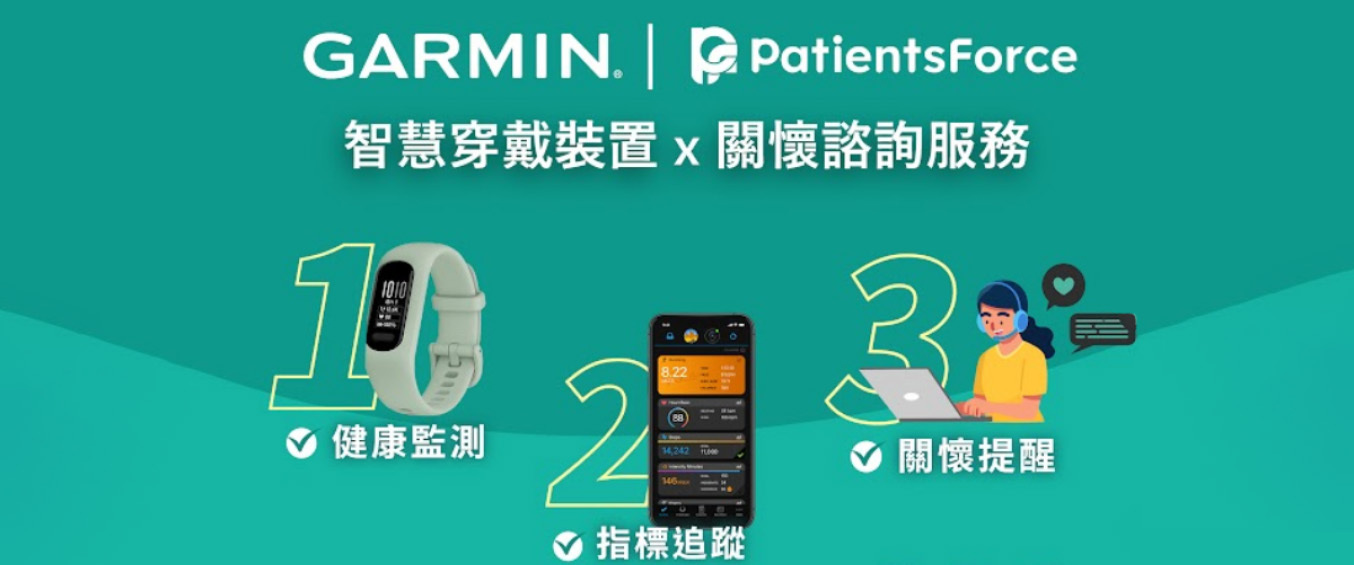
As technology advances, health wearables are enabling a hub service connecting new medical technologies with healthcare providers. PatientsForce Care Companion, as the operator of this model, is working to integrate this technology into the continuous post-discharge care of cardiovascular patients, aiming to improve the quality of care after patients return home and reduce the risk of readmission.
According to studies published in international journals in recent years, patients' daily activity levels after surgery—particularly declines in walking—are closely linked to readmission rates. Monitoring patients' daily step counts with activity trackers can effectively predict readmission risk: for patients whose daily step count fell by more than 50% from the previous day, readmission was predicted with 79% sensitivity and 90% specificity. This finding underscores the importance of monitoring daily activity in post-discharge care.
In addition, validated consumer-grade health trackers such as Garmin wristbands have shown high accuracy and reliability in heart rate monitoring, with very strong correlation and agreement with the clinical standard (electrocardiography) and relative error below 5%. This indicates these devices can serve as effective tools for monitoring the heart rate of cardiovascular patients, providing a basis for early detection of potential health problems.
The model adopted by PatientsForce Care Companion integrates these technologies into a single digital care platform. By analyzing data collected from health wearables, it provides patients with personalized rehabilitation plans and lifestyle recommendations. This personalized care not only makes recovery more efficient but also builds patients' confidence. Meanwhile, remote care services let patients receive professional medical care and support even at home. Through the familiar LINE@ messaging app, patients can easily consult with experts, greatly reducing the risks caused by poor communication and enhancing patients' sense of safety and satisfaction.
This business model not only advances the adoption of emerging digital health technologies, but has also become a hub service linking patient care and medical services. Through the PatientsForce Care Companion platform, digital health technology connects seamlessly with the traditional healthcare system, delivering a data-driven, personalized care solution. This gives cardiovascular patients more personalized and flexible care options, and gives healthcare professionals powerful tools to raise the quality of treatment. Under this model, medical decision-making becomes more data-driven and precise: big data and artificial intelligence are used to analyze patients' health data, predict disease risk, and formulate more effective prevention and care plans. This data-based approach not only provides a solid scientific foundation for the long-term health management of cardiovascular patients, but also reduces the waste of healthcare resources.
Ding Yu-chih, Director, CareCompanion LTC
Sources: