

How social impact investing drives the use of new drugs and improves patient care
AI-translated from the Chinese original · editorially reviewed
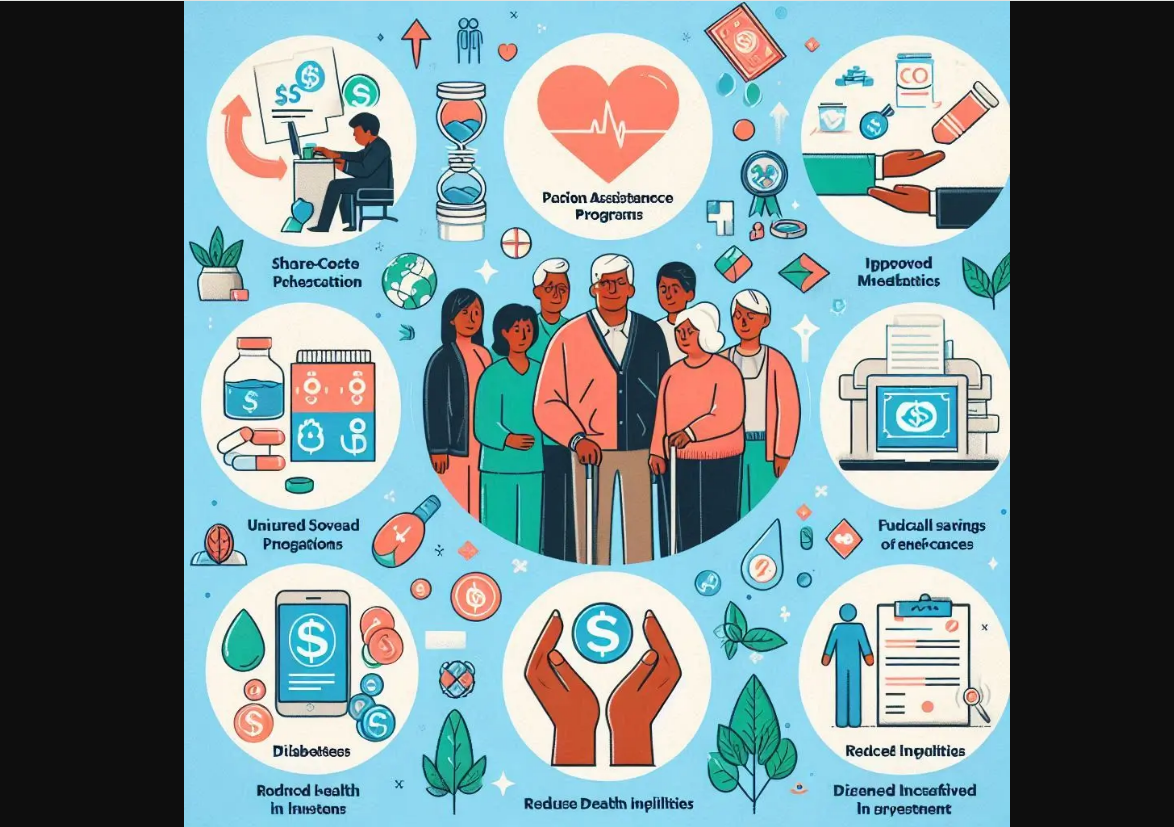
Social impact investing has become an important force in driving healthcare reform internationally, especially in promoting the use of new drugs and improving patient care, and it is closely linked to the United Nations' Sustainable Development Goals (SDGs)—in particular SDG 3 (Good Health and Well-being) and SDG 10 (Reduced Inequalities). In recent years, investors have used the concept of social and sustainable return on investment (SSROI) to quantify the social benefits and financial returns of these programs, so as to better understand their value in advancing global health equity.
The access-to-medicine challenge: MedAccess's social-innovation solution
In recent years there has been remarkable progress in global medical science, especially in new-drug development, yet more than 2 billion people worldwide still cannot obtain the essential medicines they need, which leads to an increase in preventable illness and death. MedAccess uses tools such as volume guarantees, debt financing, and blended finance to reduce the risk for pharmaceutical companies in distributing drugs in low-income countries, focusing on improving access to medicine through innovative financing models. It has become a classic case of social-impact innovation investing, enabling more innovative medical products to reach the world's disadvantaged groups in time. To date it has helped millions of people obtain drugs they previously could not afford.
Pharmaceutical companies' patient assistance programs: meeting the medical needs of uninsured patients
In the United States, expensive medical costs pose a severe challenge, especially for uninsured patients. Through Patient Assistance Programs (PAPs), most well-known international pharmaceutical companies—such as Pfizer and Merck—provide free or low-cost drugs, and using PAPs has significantly improved patients' access to new-drug treatment. These programs likewise align with the SDG 3 goal, giving more patients the opportunity for access to medicine.
In addition, pharmaceutical companies such as Sanofi also have PAPs that help reduce the medical burden on patients with chronic diseases. Such PAPs not only support health and well-being but also help reduce health inequality within the United States (SDG 10). Through these programs, uninsured patients can obtain treatment for chronic diseases such as diabetes, heart disease, and cancer, avoiding the higher medical costs that arise from a failure to receive timely treatment.
SSROI: measuring the social value of patient assistance programs
Social and sustainable return on investment (SSROI) is a measurement tool used to quantify the social benefits brought by patient assistance programs. This framework considers not only the direct financial return but also the costs saved by the healthcare system and society as a whole—for example, using improved medication adherence and reductions in emergency-room visits or drug-cost savings as the basis.
The SSROI assessment process usually includes the following steps:
- Identify stakeholders: first, identify all stakeholders affected by the PAPs, such as patients, pharmaceutical companies, healthcare providers, and social-impact investors.
- Define outcomes: next, define the specific outcomes these programs aim to achieve, such as increased drug access, improved patient quality of life, and reduced medical spending.
- Assign value to outcomes: convert the social and economic outcomes into monetary value. For example, reducing the number of emergency-room visits caused by poor medication adherence directly saves resources for the healthcare system.
- Calculate SSROI: divide the total value of the social outcomes by the total investment to derive the SSROI ratio. The higher the ratio, the greater the program's social benefit.
The application of PAPs among uninsured patients in the United States within the SDGs
Through SSROI analysis, PAPs have demonstrated significant social returns and the social-impact-investment value of PAP providers. They not only reduce society's medical costs but also improve patients' quality of life and access to new medicines. At the same time, these programs' social benefits include promoting health equity, helping groups that have historically been disadvantaged in the healthcare system—such as lower- and middle-class groups and patients with special conditions—receive equitable care. Using system efficiency and a managed-care model, they also demonstrate the profitability and sustainability of this service.
─ PatientsForce Media-WIND Health Group General Manager Sean Chang