

When cancer improves, does a financial crisis take its place?
AI-translated from the Chinese original · editorially reviewed

Reprinted with permission: Pharma Statistical Insights
An improvement in a cancer patient's condition is cause for joy—but if it comes at the price of a crippling financial crisis, the strain on body and mind can be no lighter than the cancer journey itself. High medical costs take a real toll on patients and their families. Facing the financial squeeze and diminished quality of life that cancer treatment brings, patients are vulnerable to negative physical and psychological effects. One solution is to harness digital technology: through a "drug cost estimation system, integrated resource service system, and medical-financial advisory service," patients can better understand their treatment costs and access relevant information. Paired with a "drug installment" service, patients gain more flexibility in raising funds, preserving their quality of life—and reducing stress also has a positive effect on the course of treatment.
Financial toxicity is everywhere
Financial toxicity refers to the negative impact that excessive healthcare costs have on the finances of patients and their families. When someone is diagnosed with a serious illness that requires long-term treatment or expensive medical procedures, the resulting medical bills can place a heavy burden on their financial situation.
Spouses and family members play a vital role in the lives of cancer patients. Research shows that their support—both emotional and practical—has a major influence on treatment outcomes. Yet the negative effects of financial toxicity spill over from patients onto their spouses and families as well. It is pervasive, and it should not be taken lightly.
What does recent research on financial toxicity tell us?
To better understand how financial toxicity affects partners, a 2023 study examined the relationship between the long-term financial toxicity of colorectal cancer and the health-related quality of life (HRQoL) of patients' partners.
Colorectal cancer is the third most common cancer, with more than 150,000 people diagnosed each year, and no significant epidemiological differences between men and women. The age of onset is also trending younger. Patients with stage III colorectal cancer typically require surgery followed by 3 to 6 months of chemotherapy. These treatments bring enormous physical, social, psychological, and time-related changes for patients—changes that affect their partners in similar ways.
The study's main objective was to assess the financial toxicity faced by colorectal cancer patients and their partners 1 to 5 years after diagnosis, and to examine the relationship between financial toxicity and the partners' health-related quality of life (HRQoL).
In this study, "partner" was defined to include a romantic partner, spouse, or family member living with the patient.
A high proportion of patients' partners are affected by financial toxicity
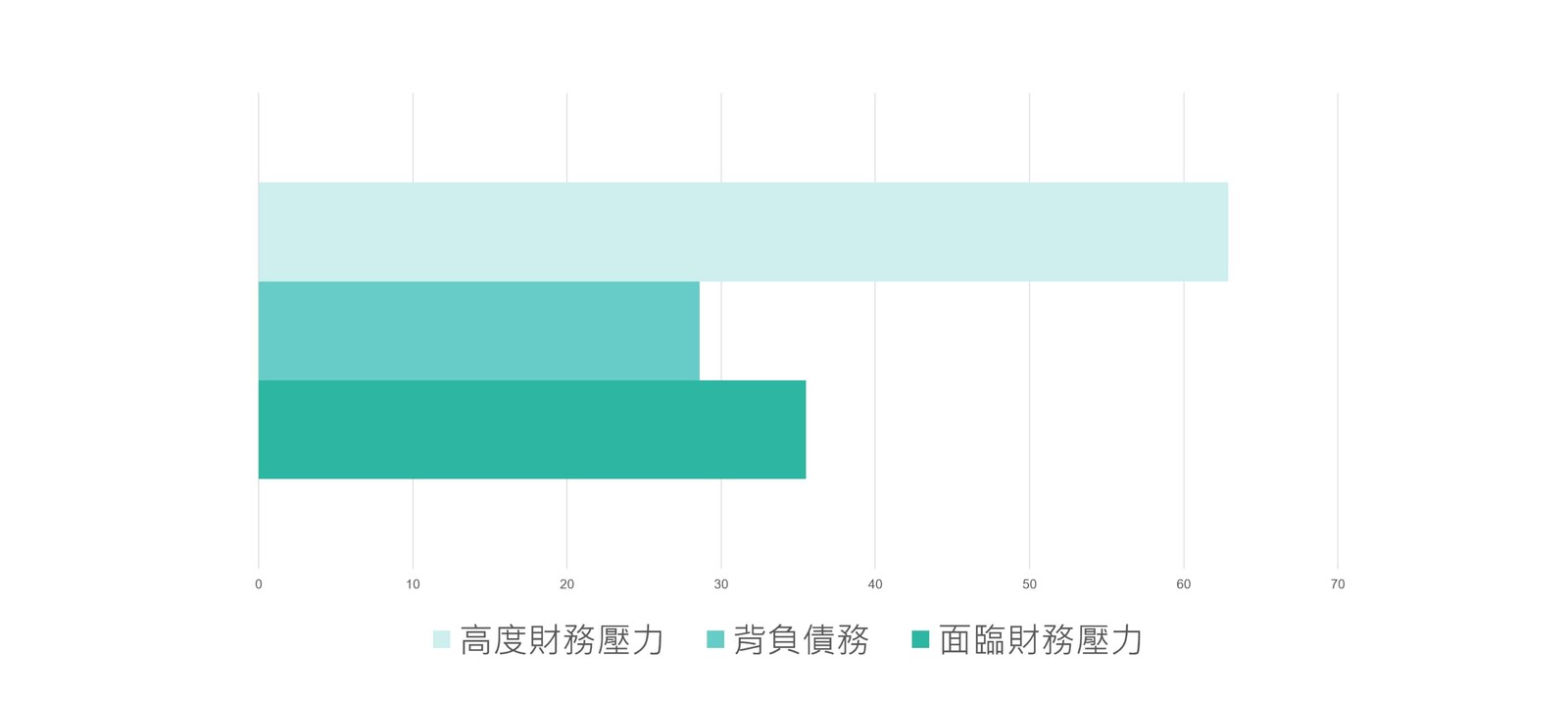
The study found that six in ten partners (62.9%) faced financial stress, with nearly three in ten (28.6%) carrying debt and three to four in ten (35.5%) under severe financial strain. The impact of this financial pressure is even more pronounced for younger patients and their partners. In recent years, the number of colorectal cancer patients under 50 has risen—an age when patients are shouldering the family's finances, or when the caregiver is the household's main breadwinner—so financial toxicity is weighing ever more heavily on this group of patients and their partners.
Financial toxicity erodes quality of life
The study also noted that financial toxicity left partners unable to afford steep medical bills, forcing them to turn to relatives or friends for financial help and adding strain to family and social relationships. Massive medical debt also disrupts partners' sleep: they may engage in atypical spending as they cope with the emotional burden of cancer, all while worrying about mounting bills and collection calls—factors that all contribute to sleep problems.
Financial toxicity is a critical issue with a direct impact on the quality of life of patients and families. Many have called for reforms to healthcare costs to ease patients' financial burden—for example, by reforming health insurance systems, expanding financial assistance programs, or lowering the cost of care.
From the findings above, financial toxicity can be mitigated by incorporating more behavioral approaches—addressing social disruption, atypical spending, and anxiety about what "might happen" in the future.
Is there a solution in Taiwan?
The PatientsForce patient assistance care system has launched a localized "drug cost estimation system, integrated resource service system, and medical-financial advisory service" in Taiwan. Drawing on successful models from overseas, these services use digital technology to help patients in Taiwan better understand their treatment costs and access resource information more easily. They include Taiwan's first treat-first-pay-later drug installment service, giving patients more time to raise funds beyond existing resources. Patients can stay on treatment while maintaining their quality of life, easing the burden they face under financial pressure.
The content of this article has been licensed by Pharma Statistical Insights to PatientForce™ (Media-WIND Communications Co., Ltd. / Unified Business No.: 27903403). Its intellectual property rights are jointly owned by PatientForce™ and Pharma Statistical Insights in accordance with the law. If you believe this article may infringe any rights, please contact the relevant department of our company by email and we will respond as soon as possible.