

Planning ahead: early access to new drug treatments
AI-translated from the Chinese original · editorially reviewed
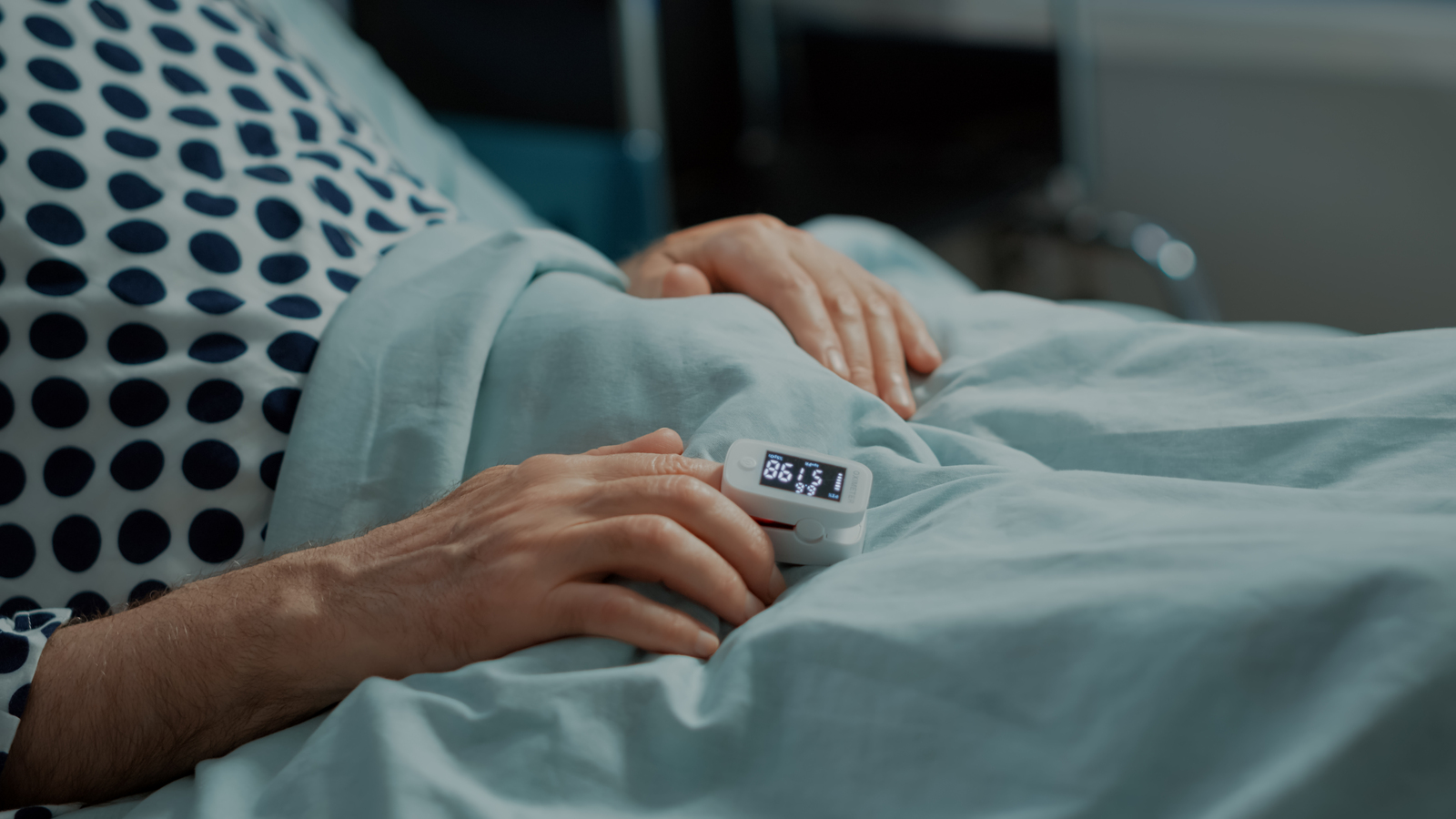
In many cases, patients with serious or life-threatening diseases cannot wait for a new drug to receive formal approval and reach the market. For these patients, Early Access Programs (EAP), Compassionate Use Programs (CUP), and Managed Access Programs (MAP) offer a vital path to treatment. These programs differ in scope and in how they are applied for, and they are also distinct from obtaining investigational drugs through clinical trials.
Early Access Programs (EAP)
An EAP provides treatment with a new drug that has not yet received formal marketing approval to patients with serious or life-threatening diseases. These patients have typically exhausted all existing treatment options and are unable to enroll in clinical trials. EAPs mainly cover drugs that have completed early-phase clinical trials (such as Phase II or Phase III) and are already supported by preliminary safety and efficacy data.
Compassionate Use Programs (CUP)
A CUP is a special type of EAP, typically used for patients with rare diseases. Because their conditions are so rare, these patients struggle to find suitable clinical trials to join. A CUP allows patients to use unapproved drugs outside the clinical trial setting, provided the drugs show potential therapeutic benefit and no other effective treatment options exist for the condition.
Expanded access programs (MAP)
A pharmaceutical company's Managed Access Program (MAP) is designed and administered by the manufacturer to provide patients with serious or life-threatening diseases access to new drugs that have not yet received marketing approval or are not yet covered by health insurance. The main purpose of these programs is to let patients use such drugs early, under specific circumstances, and gain their potential therapeutic benefits.
A similar program in Taiwan: the Early Access Program (EAP) for imported drugs
In Taiwan, the Ministry of Health and Welfare allows special-case imports of drugs for personal use or for treating critically or severely ill patients, which resembles an EAP. For serious diseases that existing drugs may be unable to treat, or for emerging drugs that have not yet obtained a Taiwan drug license and cannot be made available to patients in time, a specialized teaching hospital or a teaching hospital at the regional level or above may apply for special-case approval to manufacture or import the drug, pursuant to Article 48-2 of the Pharmaceutical Affairs Act and Article 2 of the Regulations for Special Approval of Manufacture and Import of Specific Medicaments announced on September 8, 2016; or, pursuant to Article 2, Paragraph 3 and Article 13 of the Regulations Governing the Management of Drug Samples and Gifts as amended in 2022 and the Ministry of Health and Welfare's letter FDA-Yao-Zi No. 1081408668 of October 5, 2019, it may prepare the required documentation and apply to the TFDA for a special-case drug import.
How these differ from clinical trial drugs
Clinical trials are systematic studies of new drugs, usually conducted in multiple phases (I, II, III) to evaluate a drug's safety, efficacy, and optimal dosage. Patients must meet specific enrollment criteria to participate, and treatment takes place in a highly controlled environment.
EAPs and CUPs, by contrast, serve patients who cannot join clinical trials, giving them access to treatment before a drug is formally launched. These programs have no control groups and lack the strict controls of clinical trials, but they can provide timely medical support to patients in urgent need of treatment.
How MAP differs from Patient Assistance Programs (PAP)
Managed Access Programs (MAP) and Patient Assistance Programs (PAP) are both expanded-access drug programs designed by pharmaceutical companies to provide patients with drugs that have not yet received marketing approval or are not yet covered by health insurance. Some manufacturers structure PAP as one model within a MAP, and while the two differ somewhat in their primary objectives, both MAP and PAP are now evolving toward more diverse applications.
Feature | Managed Access Program (MAP) | Patient Assistance Program (PAP) |
Target patients | Patients with serious or life-threatening diseases, typically unable to join clinical trials or with no other treatment options | Patients who need a specific drug but cannot afford it or whose insurance does not yet cover it; not necessarily suffering from a life-threatening disease |
Drug status | Drugs not yet approved for the market, or not yet approved in certain countries | Drugs already approved for the market but not yet covered by health insurance, or unaffordable for the patient |
Objective | Provide early access to drugs not yet approved for the market, meeting the needs of patients in urgent need of treatment, and collect real-world data (RWD) to support future marketing approval | Provide financial support or free drugs so patients can access approved treatments not covered by insurance, improving access and continuity of care |
Data collection | Collects treatment data—including patient responses, side effects, and other clinical outcomes—to support future drug review and marketing approval | Mainly tracks drug utilization and the effectiveness of financial support; generally not used as a primary basis for drug review |
Purpose of data use | Focused on collecting real-world data (RWD) to support the assessment of drug safety and efficacy | Focused on providing financial support to ensure patients can stay on treatment, rather than on collecting clinical data |
─ Evie Wang, Chief Operating Officer, PatientsForce, Media-WIND Health Group (MWHG)